

What Is a Cove Joint? Causes, Signs & Repair Solutions
What is a cove joint, and why should every homeowner with a basement care about it? If you have ever noticed dampness, water stains, or puddles forming along the base of your basement walls, you may already be dealing with a cove joint problem without realizing it. This small but critical gap in your foundation is one of the most common entry points for water, and ignoring it can lead to serious structural and health concerns. Whether you are already experiencing
water getting in your basement or simply want to understand how your foundation works, this guide covers everything you need to know about cove joints, their risks, and how to fix them.
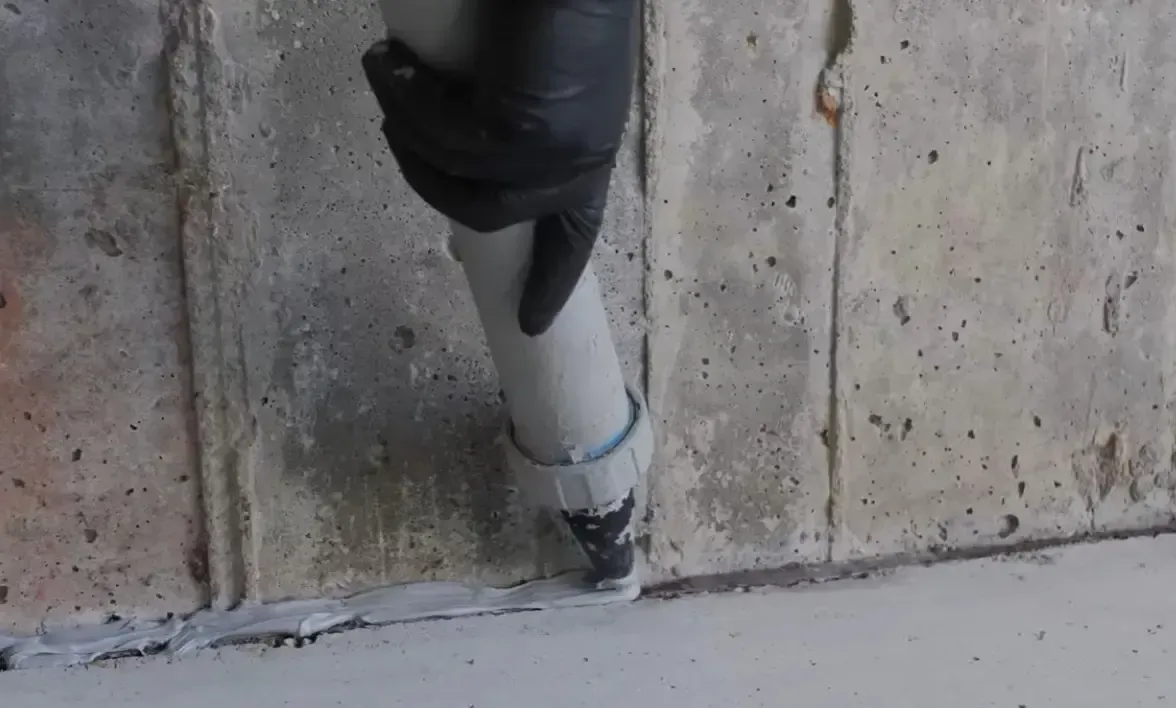
What Is a Cove Joint?
A cove joint is the seam or gap that forms where your basement floor meets the foundation walls. It is sometimes called a floor to wall joint or interface joint. This gap exists because of the way basements are built during construction.
Here is a simplified breakdown of how a cove joint forms:
Footing is poured first. Contractors pour a concrete footing and allow it to cure completely.
Walls are built on the footing. Once the footing has dried, the foundation walls are constructed on top of it.
The basement floor is poured last. The concrete floor slab is then poured against the walls and over the footing base.
Because fresh concrete does not chemically bond with previously cured concrete, the floor and walls remain as two separate structural elements. The result is a small gap, the cove joint, running along the entire perimeter where the floor and walls meet. This gap is a natural and unavoidable part of concrete basement construction, but it creates a weak point that water can easily exploit.
Why Do Cove Joints Leak?
The main reason cove joints become a source of leaks is hydrostatic pressure. When rain falls or snow melts, the soil around your foundation becomes saturated with water. That groundwater pushes against your basement walls and floor from the outside. Since water always follows the path of least resistance, it finds the cove joint and seeps through into your basement.
Several factors can make cove joint leaks worse. Heavy or prolonged rainfall saturates the soil deeply. A high water table in your area keeps constant pressure on your foundation. Poor exterior drainage such as clogged gutters, downspouts that dump water near the foundation, or improper yard grading all contribute. Clay heavy soils, which are very common in Houston, swell when wet and press against basement walls, increasing the pressure even further.
Warning Signs of Cove Joint Seepage
Catching cove joint problems early can save you from expensive repairs and health hazards down the road. Here are the most common signs to watch for.
Water stains or discoloration along the base of basement walls are often the first indicator. You may also notice visible moisture, dampness, or puddles where the floor and wall meet. White, chalky mineral deposits known as efflorescence near the floor wall junction signal that water has been passing through the concrete. Musty or moldy odors in the basement, mold or mildew growth along the lower walls, cracks forming in the foundation walls or basement floor near the joint, and walls beginning to bow inward from sustained water pressure are all red flags.
If you notice any combination of these signs, it is time to call a professional for a thorough inspection.
Cove Joint Repair Solutions: What Works and What Does Not
| Solution | How It Works | Effectiveness |
|---|---|---|
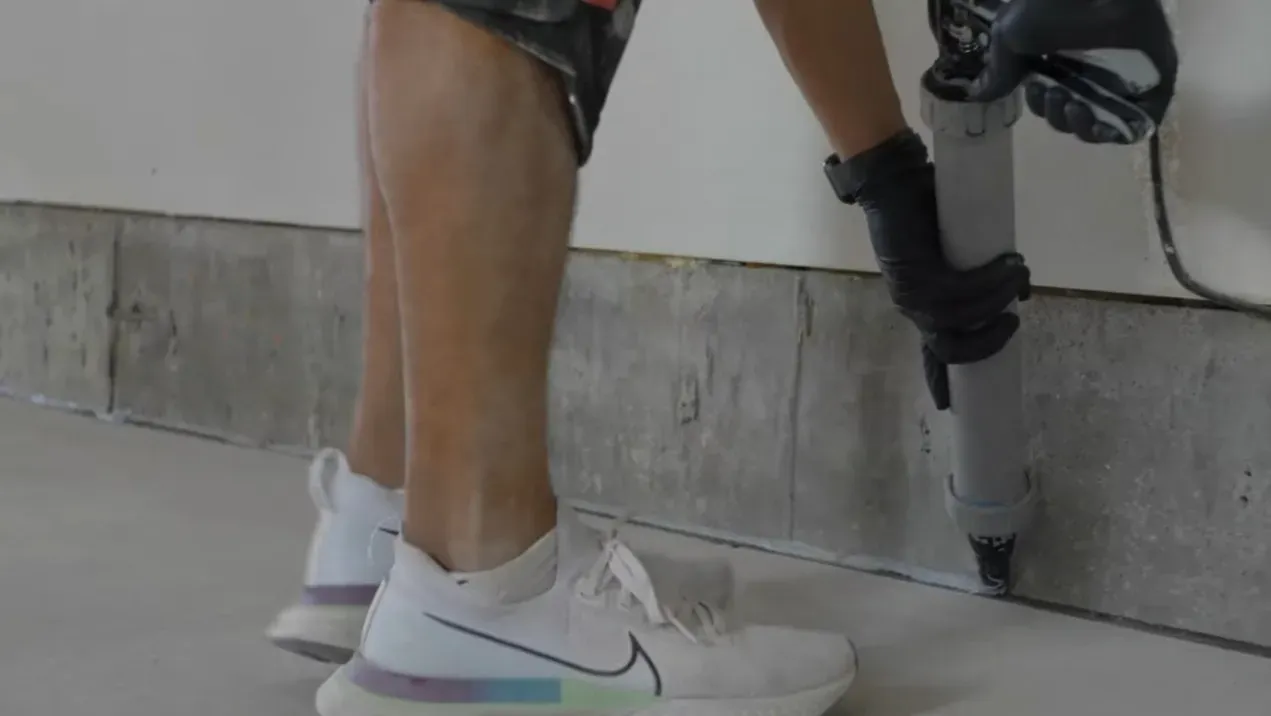
| Caulk or Sealant | Fills the visible gap at the cove joint with a waterproof sealant. | Temporary fix only. Hydrostatic pressure will eventually break the seal or force water elsewhere. Not recommended long term. |
| Interior Drainage System | A perforated pipe is installed in a trench around the basement perimeter beneath the floor. It collects water and routes it to a sump pump. | Highly effective. Addresses the root cause by reducing hydrostatic pressure and redirecting water away from the home. |
| Sump Pump Installation | Collects water from the drainage system in a sump pit and pumps it away from the foundation. | Very effective when paired with an interior drainage system. Prevents water accumulation and basement flooding. |
| Wall Vapor Barrier | A heavy duty membrane applied to basement walls that blocks moisture from penetrating through concrete. | Effective for moisture control and mold prevention. Works best as part of a comprehensive waterproofing system. |
| Exterior Waterproofing | The foundation perimeter is excavated to the footing and a waterproof membrane is applied to the exterior walls. | Very effective but more invasive and costly. Best for severe or persistent water problems. |
Why Sealing the Cove Joint Is Not Enough
Many homeowners instinctively want to seal the cove joint with caulk or hydraulic cement, and some contractors even recommend it. However, most waterproofing experts strongly advise against relying on sealants alone. Here is why.
Sealing the joint traps the hydrostatic pressure instead of relieving it. The water does not disappear just because you have blocked one entry point. Instead, the pressure builds up behind your walls and beneath your floor. Over time, this increased pressure can cause your foundation walls to crack or bow inward, creating problems that are far more expensive to repair than the original leak.
Even if the seal holds for a few months, the water will eventually find another path into your basement, often through new cracks caused by the very pressure the seal created. It is a short term fix that can create long term damage.
The Best Long Term Fix: Interior Drainage and Waterproofing
The most reliable way to solve cove joint seepage is to manage the water rather than try to block it. A professional basement foundation repair team can install an interior drainage system that works with the natural flow of water instead of fighting against it.
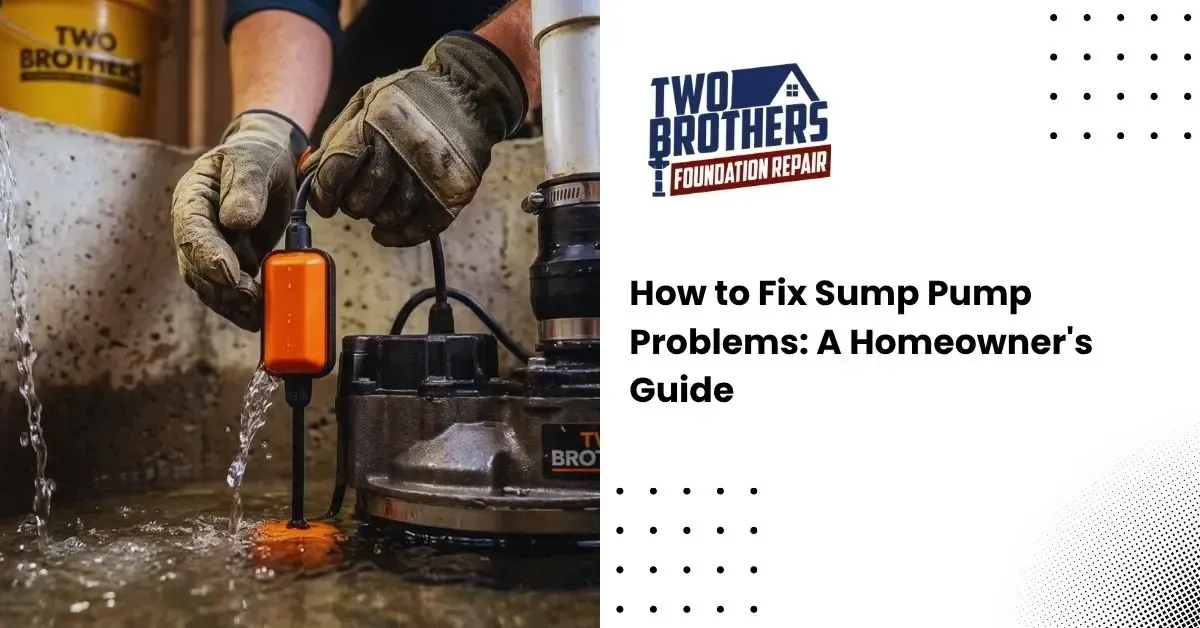
Here is how the process typically works. First, weep holes are drilled into the lower course of the basement walls to relieve hydrostatic pressure and give trapped water a controlled escape route. Next, a perforated drainage pipe is placed in a trench excavated around the interior perimeter of the basement. This pipe collects any water that enters and channels it toward a sump pump pit. The sump pump then activates automatically and pumps the collected water safely away from your home.
When combined with a wall vapor barrier and a basement dehumidifier, this system creates a comprehensive defense that keeps your basement dry, prevents mold growth, and protects the structural integrity of your foundation for years to come.
How to Prevent Cove Joint Problems
Prevention is always easier and cheaper than repair. Here are a few steps every homeowner can take to reduce the risk of cove joint seepage.
Maintain your gutters and downspouts. Make sure they are clean and direct water at least four to six feet away from your foundation. Grade your yard properly so that the soil around your home slopes away from the foundation, directing rainwater outward rather than toward your basement. Address cracks promptly, because even small cracks in your foundation walls or floor can worsen quickly under hydrostatic pressure. Monitor your basement regularly by checking for dampness, stains, or odors after heavy rains so you can catch problems early. And if your home is in an area with heavy rainfall, clay soils, or a high water table, invest in professional waterproofing as a proactive measure.
Protect Your Home with Two Brothers Foundation Repair
Cove joint seepage may start as a minor annoyance, but left unchecked, it can lead to mold, structural damage, and a significant decrease in your home’s value. The good news is that with the right waterproofing system, this is a completely solvable problem.
At Two Brothers Foundation Repair, we serve homeowners across the greater Houston area with expert basement waterproofing, drainage solutions, and foundation repair services. We offer free inspections and honest recommendations backed by over 20 years of experience and a lifetime transferable warranty.
If you have noticed signs of water seepage in your basement, do not wait for the problem to get worse.
Call Two Brothers Foundation Repair at 832-412-2791 or visit our website to schedule your free consultation today.