

How to Prevent Water Getting into Basement [Causes & Fixes]
When you see water getting into the basement, your mind jumps to a bunch of questions. Is something leaking? Is the foundation letting water through? Is this a simple fix or a big one?
Every homeowner goes through the same thought process the first time it happens. But don’t worry. Basement water problems usually fall into a few clear categories. Once you understand which one you’re facing, the next steps make a lot more sense.
In this
guide, we will discuss the main
causes of water getting into the basement. We will also break down the costs and how to prevent this.

Main Causes of Water Getting into the Basement
When you see water inside your basement, the first question is: “Where is it coming from?”
Let’s walk through the causes of water getting into the basement.
Poor Exterior Drainage Near the Foundation
If water shows up along the outer walls, start outside.
Take a slow walk around your home after a steady rain. Do you notice puddles sitting against the foundation? If so, that alone can push water inside.
Many homes are built on soil that slopes toward the house instead of away. Sometimes the downspouts drop water right beside the wall. Sometimes the gutters overflow during storms. And sometimes the root issue is an old deteriorating roof. In those cases, investing in professional Roof Replacement in Vancouver can significantly reduce the volume of water that ends up pressing against your foundation.
You may not think these small issues matter. But they let a surprising amount of water collect near your foundation. Once the soil gets soaked, it presses water through the tiniest gaps.
Foundation Cracks in Walls or Floors
Concrete cracks with time. I see this in almost every older home.
Some cracks are in the hairline. Others run a few feet. Regardless of the type, all of them can let water inside during long rain or snow melt.
Because even a thin line of moisture on the floor or a crack can pull water through. It does not take a large opening.
If a crack gets worse during storms, the soil pressure is likely increasing outside. You need to repair the concrete as soon as possible.
Sump Pump Problems
A sump pump keeps the water level under control. When it stops, the water rises fast.
You might have a power outage during a storm. Maybe the pump is clogged. Maybe the motor is worn out. Sometimes the float gets stuck.
If your basement floods during heavy rain while the sump pit stays full, the pump is almost always involved. It is one of the most common causes of sudden basement water.
Plumbing Leaks Inside the Basement
Not every leak comes from outside. Check the water heater. Check the washer. Check exposed pipes for dripping or slow leaks.
It's probably your plumbing leak inside the basement that is causing the water to get in the basement.
Groundwater and Hydrostatic Pressure
This is the most baffling problem.
The groundwater will increase when the soil is saturated. Under your floor, the pressure is pressing, and around your walls. Once the pressure becomes high, it causes water to pass through the concrete.
There is also water on the joint between the wall and the floor. In other cases, it forces its way up through cracks in the slab. It even rings around the edges of the basement and is wet.
This mostly crops up following a period of extended rain or snow melting.
What to Do When You See Water in the Basement?
If you spot water in your basement, don’t panic. These steps keep you safe and help limit the damage before it spreads:
Stay Safe Before Entering
First of all, consider any electricity. Water may get to the outlets, wires or appliances. In case of high water, you should turn off your circuit breaker in the basement.
Wear shoes or boots with rubber soles in order to enter. In case something does not seem safe, contact a specialist.
Stop the Water Source if Possible
When there is running water or a constant flow, check your plumbing lines. An overflowing or broken valve or pipe can fill a basement in a few minutes.
Switch off the main water valve in case of any leaks. In case of heavy rain of water that comes with it, check your sump pump.
Look inside the pit. When the pump does not make any sound, and the pit is full, then the pump may be stuck or dead.
To restart the pump, it might be necessary to tap its side, yet this will not always work. When water is passing down the walls or through the floor, then you can not do a lot.
Remove Standing Water
After you stop the flow, start clearing out the water. The faster the standing water is removed, the less chance of mold.
A wet vacuum is suitable for use with puddles that are small puddles. It is able to deal with shallow water, but you may have to have frequent tank refills.
In case of a lower level of water, a small utility pump will do. If the water is over the knee, then do not attempt to take off yourself. Instead, call in a restoration crew.
Dry the Basement Fast
When the water is out, then the real work starts.
It is in the drying that most homeowners lag, and this is how mold grows.
Install fans and direct them towards the wet places. Add a humidifier, in case you have one. Open the windows in case the air outside is dry.
Long water retention of carpets, boxes, books, and clothes. Watch the drywalls and bottoms also. They can absorb water and conceal moisture within the wall.

Cost Overview for Common Basement Water Fixes
When we talk with homeowners about basement water issues, cost is always the biggest concern. Prices vary because every basement has a different problem, a different layout, and a different level of damage.
Here is what you can expect for the most common
repairs:
| Service Type | Description | Cost Details |
|---|---|---|
| Drainage and Gutter Improvements | Gutter cleaning, repairs, basic grading. | $300–1500; Regrading: $2500–5000 |
| Foundation Crack Repairs | Epoxy for small or structural cracks. | Small: $250–800; Structural: $1000–3000 |
| Sump Pump Repair or Replacement | Repairs, replacement, or backup system. | Repairs: $150–400; Replacement: $900–2500; Backup: $500–1200 |
| Interior Drainage System | New interior drain and sump setup. | Standard: $3000–8000; Large: $10000–12000 |
| Plumbing Leak Repairs | Fix small leaks or replace pipes. | Simple: $150–450; Replacement: $500–1500 |
Drainage and Gutter Improvements
One of the least expensive methods of preventing water is to repair the drainage of the outdoors.
The majority of the projects are in the range of 300-1500. This involves cleaning of gutters, repairing gutters, extending downspouts, and simple grading services.
When it is necessary to regrade your entire yard, it may cost you up to 2500 -5000.
Crack Repair Costs
The cracks in the foundation are of different sizes and levels.
The cost of small cracks can be fixed by the use of epoxy injections. It takes 250 to 800 dollars per crack.
The cost may increase to $1,000 to $3,000 in case of the crack movement or structural stress.
Sump Pump Repair or Replacement
A working sump pump can save your basement during heavy rain.
Small repairs or cleaning can be expected to cost between 150 and 400 dollars.
The cost of replacing a defective pump is between 900 to 2500 dollars, depending on the size and features that are incorporated. The backup battery system will be an addition of between 500 and 1200 dollars.
Interior Drainage System Costs
The average price of most interior systems is between 3,000 and 8,000 for a typical basement. This involves new drainage systems, a sump waste bin, and a sump pump.
The houses that experience excessive seepage or have a bigger basement can go up to $10,000 to $12,000.
Plumbing Leak Repair Costs
The water leaks in the plumbing are normally simpler to repair. Uncomplicated repairs, such as a loose valve or hose, are normally around 150-450 dollars.
The cost of replacing a broken pipe or line of a water heater can cost between $500 and 1500.
Similar Read: Understanding Foundation Repair Costs & Saving Money [2025]
How Two Brothers Foundation Repair a Basement Filled with Water?
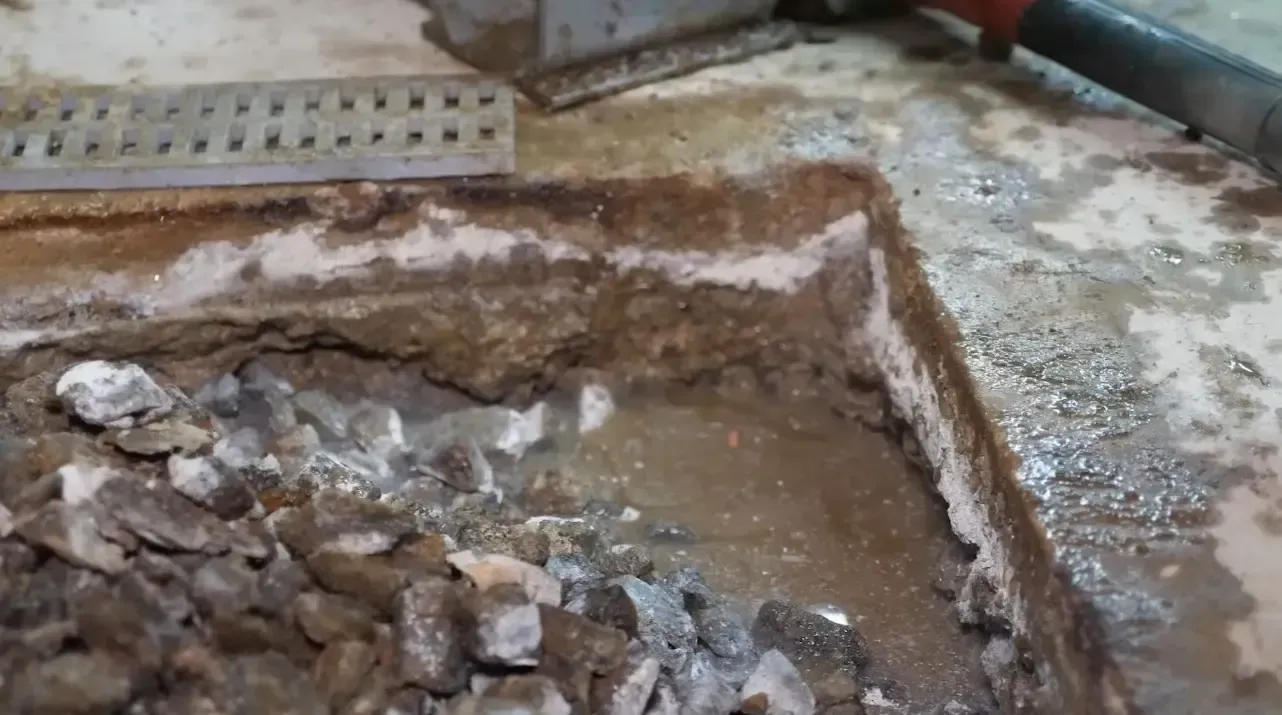
When you take us into a water problem, we try to locate the actual leak. Then we suggest a remedy that secures your cellar dry permanently.
These are the ways Two Brothers Foundation Repair deals with each of these problems:
Drainage and Grading Problems:
Most of the leaks that occur in the basement start from the outside. After we arrive, we go around the premises and see the flow of water in your yard.
When the soil is sloping down towards the house, water accumulates on the foundation. That puts a strain, and moisture is pushed in.
We stop the water from running out of your home. We also extend downspouts, clear blocked gutters, and windows.
Fixes for Foundation Cracks
The walls or floors have cracks, allowing water to have a direct route into the structure. Our crew will examine every crack to learn its source and depth.
Then cracks are sealed with high-strength epoxy injection to bond the concrete once again. This prevents the seepage and strengthens the structure.
In case we observe bigger cracks or movement, we advise repair, hence sealing the structure. This avoids future leaks.
Fixes for Sump Pump Problems
A sump pump is supposed to guard your house in cases of heavy rain. If it fails, it results in a rapid rise of water.
Our group ensures that we check the pump, the pit, the switch, and the discharge line. We plan to test the system to ensure that the pump is operating at maximum power.
In case the pump is old or not dependable, we replace it with a new one of higher capacity.
We also add a battery backup to homes that tend to flood frequently. This ensures that the system operates even in the case of a power failure during storms.
Fixes for Plumbing Leaks
Some leakages in the basement begin within the house. We inspect the pipes that are open, the hot water tanks, washers, and running fixtures.
In case of a leak, we will turn off the water and repair the damaged section.
A leakage can cause a lot of water to leak out even when it is a little. When we fix the root of the problem, then the basement will start to dry.
Remedies for Groundwater Seepage
The seepage of groundwater is the most challenging issue for homeowners.
In case of saturation of the soil, there is a pressure that accumulates beneath the floor and beside the walls. This continuous pressure pushes water to the basement.
We install internal drainage channels on the inner base of the foundation. These channels pick up water before it gets to the floor. The water drains in the sump pit and is pumped out of the house.
Conclusion
If you ever deal with water getting in basement, remember it can be fixed. Sometimes it’s obvious. Sometimes it takes a little digging. Once you find the reason, the repair becomes much clearer. You might be able to handle a few things on your own. Other times, you’ll need a professional. If you ever feel unsure about what you’re looking at, contact us..
FAQs
1. How fast can mold start growing after water appears?
Mold grows quickly. It may also begin within 24 to 48 hours if the basement remains damp.
2. Why is water coming up through my basement floor?
This usually means groundwater pressure is pushing moisture through tiny cracks or gaps. In that case, the soil on the outside is saturated. This pressure forces the water upwards through the slab, particularly on the floor and joints of the walls.
3. Can I use bleach to clean basement water damage?
Bleach can clean surfaces, although it does not seal the moisture in the building, floors, or carpet. It also will not prevent the recurrence of mold in case the space is damp.
4. Will insurance cover water damage in a basement?
Sudden issues like a burst pipe are usually covered. External water, such as rain or groundwater water is not usually covered except your flood insurance is in place. It depends on your policy.
5. Do I need a dehumidifier after drying the basement?
Most of the time, yes. The air and materials in the basement are still moist even after the standing water is removed. A dehumidifier assists in extracting that out and avoids the settlement of mold.