

What Causes Pitting in Concrete? Causes & Fixes Explained
What causes pitting in concrete is a question many homeowners ask when they first notice small holes, craters, or rough spots forming on their driveways, patios, garage floors, or sidewalks. Pitting is more than just a cosmetic issue. Over time, these small surface defects can grow larger, weaken the concrete, and lead to costly repairs if ignored. Understanding why concrete pits in the first place is the best way to protect your investment and keep your surfaces looking smooth and strong for years to come. If you also want to learn about the building blocks of strong slabs, check out our guide on the best concrete for foundation repair for additional insight into how concrete quality affects long term performance and durability.
In this blog, we will break down the most common causes of concrete pitting, explain how weather, chemicals, and poor installation play a role, and share practical tips on prevention and repair so you can take action before small problems turn into major headaches.
What Is Concrete Pitting?
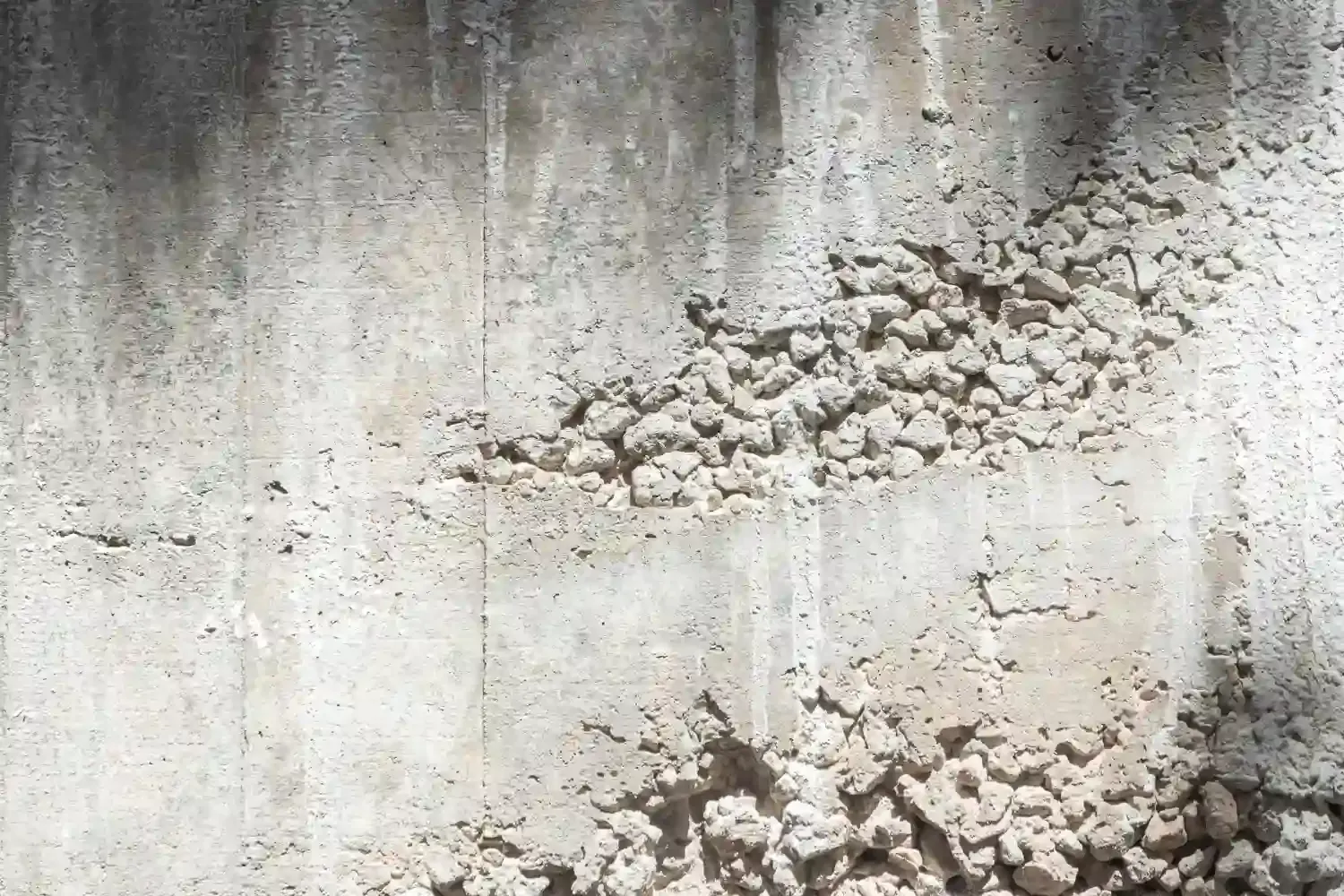
Concrete pitting refers to the formation of small holes, cavities, or rough patches on the surface of a concrete slab. These pits can range from tiny pinholes to deeper craters that expose the aggregate beneath. While concrete is known for its durability, it is not immune to wear and tear. Pitting often signals that the surface layer has been compromised, either by environmental stress, chemical exposure, or installation errors.
If left untreated, pitting can lead to bigger problems such as cracks, water infiltration, and structural weakening. That is why identifying the cause early is key to choosing the right repair method and avoiding more expensive damage later.
What Causes Pitting in Concrete?
There is rarely just one reason behind concrete pitting. In most cases, several factors work together to break down the surface. Below are the most common causes you should know about.
1. Freeze Thaw Cycles
One of the leading causes of concrete pitting is the freeze thaw cycle. When water seeps into the small pores of concrete and then freezes, it expands. This expansion creates pressure inside the slab, which eventually causes the surface to flake, spall, or pit. Areas that experience cold winters and frequent temperature swings are especially vulnerable to this kind of damage.
Even in warmer regions, sudden cold snaps can damage concrete that has not been properly sealed or cured. Over many seasons, the repeated expansion and contraction slowly wears down even the strongest slabs.
2. Poor Concrete Mix or Installation
Concrete is only as strong as the mix and the methods used to pour it. Common installation issues that lead to pitting include adding too much water to the mix, which weakens the surface, improper finishing techniques that trap air or bleed water, pouring concrete in extreme weather conditions, and insufficient curing time before the slab is exposed to traffic or moisture.
When the surface layer, also called the cement paste, is weak, it becomes much easier for pits to form even after just a few months of normal use.
3. De Icing Salts and Chemicals
Salts and chemicals used to melt ice can be extremely harsh on concrete. Calcium chloride, sodium chloride, and magnesium chloride can all penetrate the surface and trigger chemical reactions that break down the bond between cement particles. Over time, this leads to scaling and pitting that becomes more visible each year.
Other chemicals such as fertilizers, cleaning agents, and automotive fluids can also accelerate surface deterioration if they are not cleaned up promptly. Even mild household chemicals can cause damage when spilled repeatedly on the same spot.
4. Trapped Air Bubbles
During the mixing and pouring process, small air bubbles can become trapped just below the surface. When these bubbles burst or collapse, they leave behind small voids that look like pinholes or shallow pits. This is more common in concrete that was over troweled or finished too early before the bleed water had a chance to rise to the top.
5. Aggregate Pop Outs
Sometimes pitting is caused by reactive aggregates within the concrete itself. Certain types of stones absorb water, expand, and pop out of the surface, leaving behind small craters. This is known as aggregate pop out and is often linked to poor quality materials or contaminated mixes used during the original pour.
6. Heavy Traffic and Mechanical Wear
Driveways, garage floors, and commercial slabs that handle heavy vehicles or constant foot traffic naturally experience more wear. Over time, this mechanical stress can chip away at the surface and create pits, especially if the concrete was not designed for heavy duty use or if the original mix was not strong enough for the load.
7. Water and Moisture Damage
Concrete is more porous than most people realize. When water repeatedly soaks into the slab, it can erode the cement paste and weaken the surface. This is especially true in areas with poor drainage or constant exposure to sprinklers and rainwater. If you are dealing with ongoing moisture issues that may be affecting your slabs, our team offers professional concrete slab repair services to restore strength and prevent further damage from spreading.
Quick Comparison of Common Causes and Solutions
Here is a quick reference table to help you understand the main causes of concrete pitting, where they are most common, and what you can do to fix or prevent each one.
| Cause of Pitting | Common Location | Severity Level | Prevention Tip | Recommended Fix |
|---|---|---|---|---|
| Freeze Thaw Cycles | Driveways, Patios | High | Seal concrete every 2 to 3 years | Patching compound or resurfacer |
| Poor Mix or Installation | New Slabs | High | Hire experienced contractors | Professional resurfacing |
| De Icing Salts | Driveways, Walkways | High | Use sand or safer alternatives | Clean and seal surface |
| Trapped Air Bubbles | Garage Floors | Low | Proper finishing techniques | Polymer patching compound |
| Aggregate Pop Outs | Older Slabs | Medium | Use quality aggregate in mix | Spot patching |
| Heavy Traffic Wear | Driveways, Commercial Slabs | Medium | Use heavy duty concrete mix | Concrete overlay |
| Water and Moisture Damage | Patios, Basements | High | Improve drainage and grading | Slab repair and sealing |
This table makes it easier to spot which type of pitting you may be dealing with and what action to take next.
How to Tell If Pitting Is Serious
Not all pitting is a major concern. Small surface level pits may simply be cosmetic and easy to fix. However, you should pay close attention if you notice pits that are deeper than a quarter inch, exposed aggregate or rebar, cracks forming around pitted areas, water pooling inside the pits, or pitting that spreads quickly across the slab.
These signs may point to deeper structural problems that need professional evaluation before they turn into a much larger and more expensive repair project.
How to Prevent Pitting in Concrete
Prevention is always easier and more affordable than repair. Here are some smart ways to protect your concrete from pitting and extend its life.
Use a Quality Mix
Always make sure your concrete contractor uses the right mix design for your project. The water to cement ratio, type of aggregate, and use of air entraining admixtures all play a role in long term durability and resistance to pitting.
Seal Your Concrete
Applying a high quality concrete sealer creates a protective barrier that blocks water, salts, and chemicals from penetrating the surface. Most experts recommend resealing concrete every two to three years depending on exposure and traffic levels.
Avoid Harsh De Icers
If you live in an area with snow and ice, use sand or calcium magnesium acetate instead of traditional de icing salts. These options are far less damaging to concrete and still provide good traction during winter months.
Improve Drainage
Make sure water flows away from your driveway, patio, and foundation. Proper grading, gutters, and downspouts can prevent water from pooling on or near concrete surfaces where it can slowly cause damage.
Clean Spills Quickly
Wipe up oil, fuel, fertilizer, and chemical spills as soon as possible. The longer they sit on the surface, the more damage they cause to the cement paste and finish.
How to Repair Pitted Concrete
If your concrete is already showing signs of pitting, do not panic. Most surface level damage can be repaired with the right approach and a little effort.
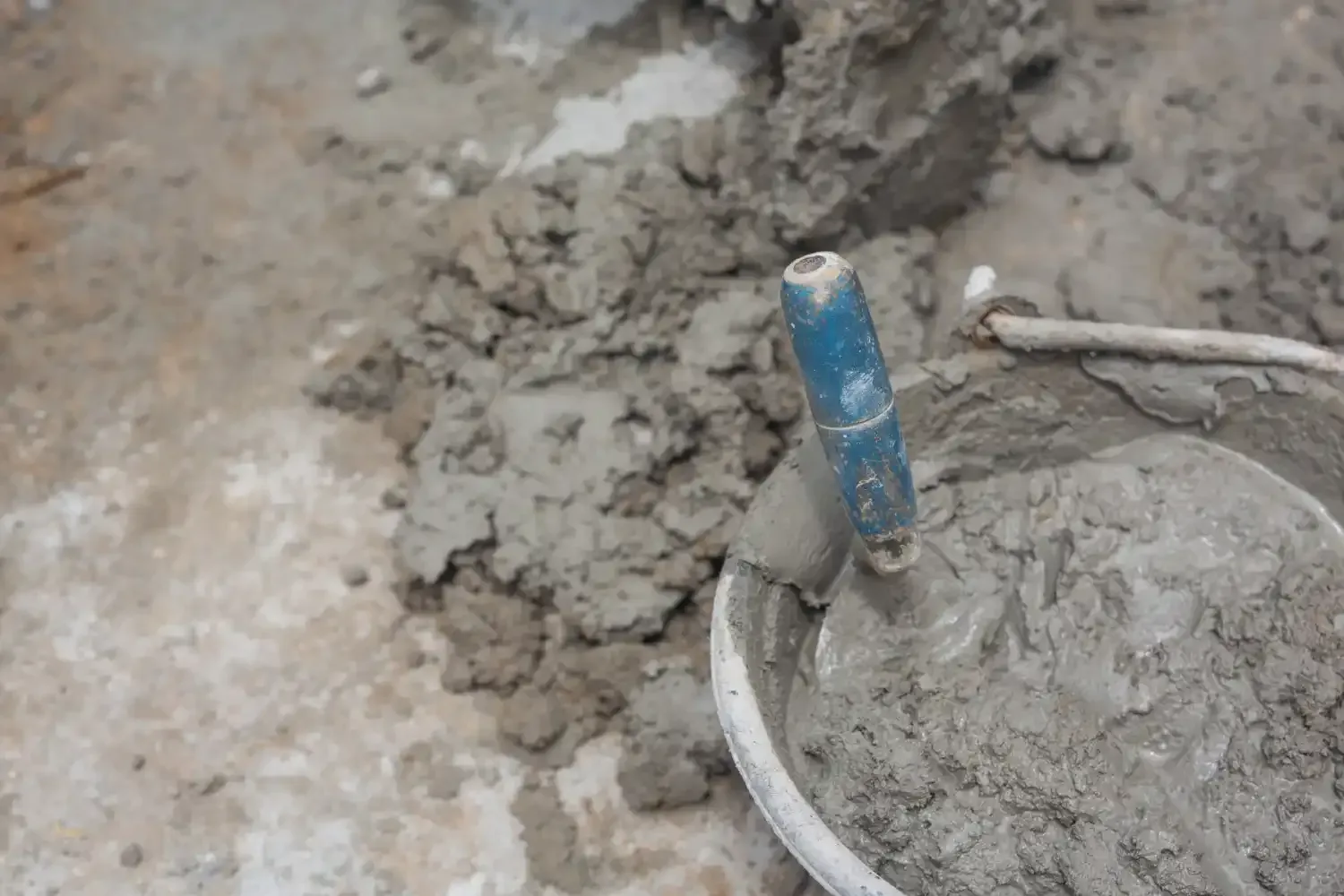
Start by removing dirt, debris, and loose material from the pitted area. A pressure washer works best for this step. For small pits, a polymer modified concrete patching compound can fill in the holes and restore a smooth finish. Make sure to follow the manufacturer instructions for mixing and curing.
If pitting covers a large area, a concrete resurfacer can be applied over the entire slab. This creates a fresh, smooth surface without the need to tear out the old concrete. For deep pitting, exposed aggregate, or pitting linked to structural issues, it is best to call a foundation repair expert.
When to Call a Foundation Repair Expert
Pitting is sometimes a warning sign of larger foundation or drainage problems. If you also notice cracks in walls, uneven floors, sticking doors, or water in your basement, the issue may go beyond the surface. A professional inspection can identify the root cause and recommend the right solution before things get worse.
At Two Bros Foundation Repair, we have helped countless homeowners and business owners restore their concrete and protect their property from further damage. Whether you need slab repair, drainage solutions, or full foundation work, our team is ready to help with proven methods and honest service.
Final Thoughts
So, what causes pitting in concrete? The answer usually involves a mix of weather, chemicals, installation issues, and everyday wear. The good news is that most pitting can be prevented with proper care and repaired with the right techniques. By sealing your concrete, improving drainage, and addressing problems early, you can extend the life of your slabs and avoid expensive replacements down the road.
If you are dealing with pitted concrete or suspect deeper foundation issues, reach out to Two Bros Foundation Repair today for a professional inspection and reliable solutions you can trust.
Frequently Asked Questions
What causes pitting in concrete?
Pitting rarely has a single cause. The most common are freeze thaw cycles, where water seeps into the pores, freezes, expands, and pops the surface open, along with a poor mix or installation such as too much water, improper finishing, or insufficient curing. De icing salts and chemicals, trapped air bubbles, reactive aggregate pop outs, heavy traffic wear, and constant water and moisture exposure all contribute too. In most cases several of these factors work together to break down the surface layer.
Is concrete pitting serious, or just cosmetic?
Many shallow pits are purely cosmetic and easy to fix, but some signal deeper trouble. Pay close attention if the pits are deeper than a quarter inch, expose the aggregate or rebar beneath, have cracks forming around them, hold pooling water, or are spreading quickly across the slab. Those signs can point to structural or drainage problems that need a professional evaluation before they grow into a much larger and more expensive repair.
What is the difference between concrete pitting and spalling?
They are related forms of surface damage at different scales. Pitting is the formation of small holes, cavities, or rough patches, ranging from pinholes to shallow craters. Spalling is more severe surface flaking or peeling where larger sections break away, often exposing aggregate. Both share causes like freeze thaw, salts, and poor finishing. Minor cases can be patched or resurfaced, but when the damage runs deep, roughly more than a third of the slab thickness, replacement may be the only permanent fix.
How do you fix pitted concrete?
Start by removing dirt, debris, and loose material, ideally with a pressure washer, so the repair bonds well. For small pits, fill them with a polymer modified concrete patching compound and follow the manufacturer's mixing and curing instructions. If pitting covers a large area, a concrete resurfacer can be applied over the whole slab to create a fresh, smooth surface without tearing out the old concrete. For deep pitting, exposed aggregate, or damage linked to structural issues, call a foundation repair expert.
Can pitted concrete be repaired, or does it need to be replaced?
Most surface level pitting can be repaired rather than replaced. Small areas take a patching compound, and widespread shallow pitting is restored with a resurfacing overlay. Replacement is usually reserved for concrete with deep, extensive damage, exposed rebar, or underlying structural problems. The right call depends on how deep the damage goes, which is why a professional assessment is worthwhile before spending money on a full tear out.
How do I prevent pitting in concrete?
Prevention is cheaper than repair. Make sure your contractor uses a quality mix with the correct water to cement ratio and air entraining admixtures, then seal the surface and reseal every two to three years depending on exposure. Avoid harsh de icing salts by using sand or calcium magnesium acetate in winter, improve drainage so water flows away from the slab, and clean up oil, fuel, and chemical spills quickly before they eat into the cement paste.
Does pitting in concrete mean I have a foundation problem?
Not always, but it can be a warning sign. Pitting on its own is often surface wear, yet when it appears alongside cracks in walls, uneven floors, sticking doors, or water in a basement, the issue may go deeper than the surface. In that case the slab or foundation should be inspected to find the root cause. Two Brothers Foundation Repair offers concrete slab repair and a professional inspection to rule out larger problems. Call (832) 412-2791.