

Types of Soil in Construction: A Complete Builder's Guide
Types of soil in construction play a defining role in how strong, stable, and long lasting a building turns out to be. Before a single brick is laid or concrete is poured, the ground beneath the structure must be studied carefully. Soil is not just dirt; it is the literal foundation that supports every wall, beam, and floor above it. Choosing the right construction approach based on soil behavior can prevent cracks, settlement, and costly repairs down the road. Builders, engineers, and homeowners all benefit from knowing how soil behaves under different conditions. If you are curious about what lies under your property, this guide on what is located beneath soil layers offers a helpful look at the layers builders deal with every day.
Every construction site is unique, and so is the soil under it. Some soils hold weight beautifully, while others shift, swell, or compress under pressure. Understanding these differences helps engineers and contractors design foundations that match the ground conditions. Let's break down the most common soil types used in construction and how they affect building performance.
Why Soil Type Matters in Construction
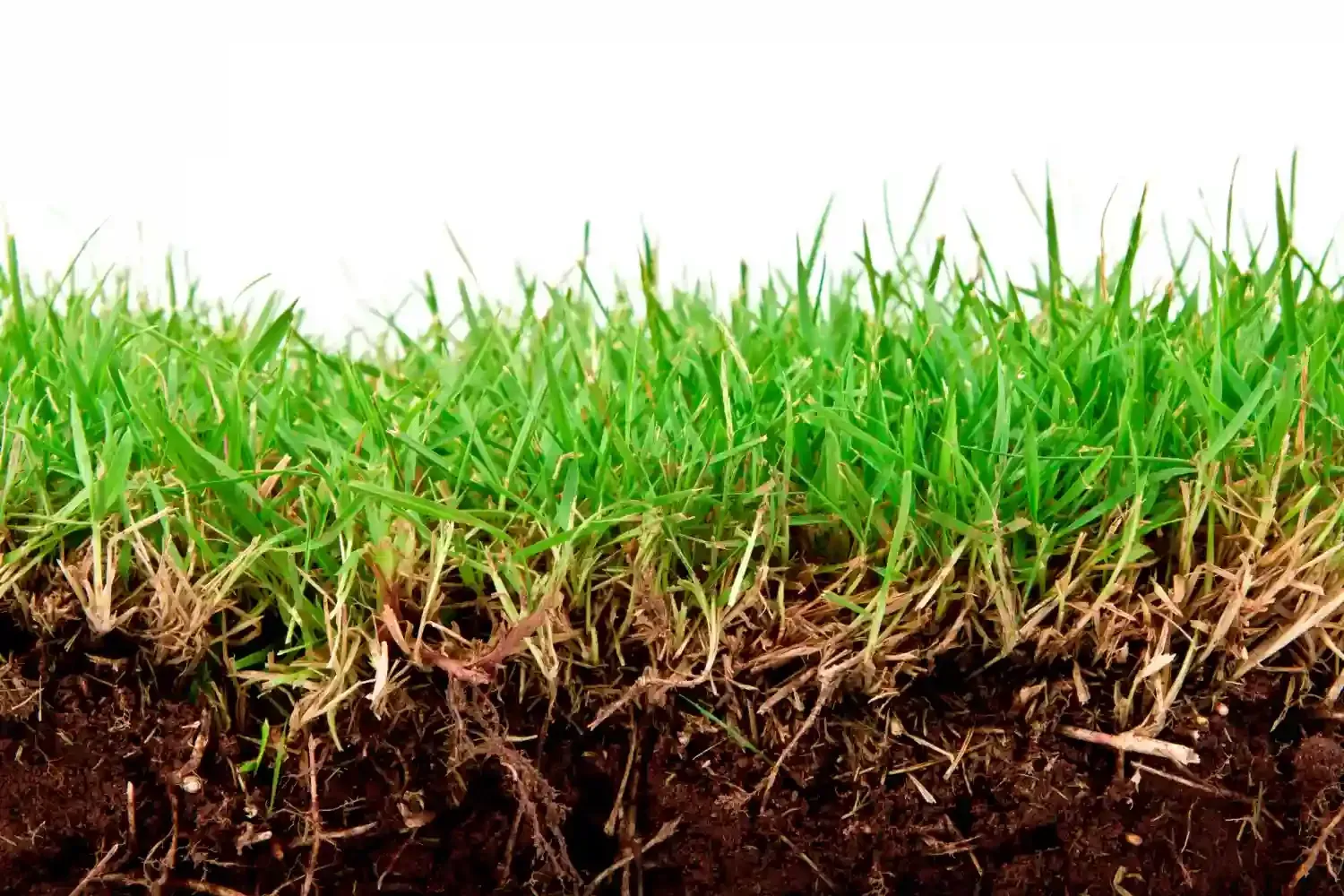
Soil acts as the bearing surface for any structure. When a foundation is placed on soil, the load travels downward and spreads across the ground. If the soil is weak, uneven, or moisture sensitive, the structure can sink, tilt, or crack over time. That is why a soil investigation is one of the first steps before any major construction project. It gives engineers a clear picture of what to expect and how to plan accordingly.
The right soil knowledge helps determine the depth and type of foundation needed, the drainage and grading approach, the risk of settlement or heaving, and the long term safety of the structure. Skipping this step often leads to foundation failure, water seepage, and structural damage that can cost thousands to fix later. A small investment in soil testing early on can save massive repair bills in the future.
Main Types of Soil in Construction
Construction soils are generally classified by particle size, composition, and behavior under load. Below are the most common types builders encounter on the job and what makes each one unique.
1. Gravel Soil
Gravel is one of the strongest and most reliable soils for construction. It consists of coarse particles that allow water to drain quickly and provide excellent load bearing capacity. Gravel does not swell or shrink with moisture changes, which makes it a favorite for foundation bases and road construction. It offers high permeability, strong bearing capacity, minimal settlement, and resistance to frost heave. Gravel is often mixed with sand or used as a sub base layer beneath slabs and footings to create a solid, stable platform for structures.
2. Sandy Soil
Sandy soil is made up of fine to coarse grains and drains water well. While it is stable when compacted, loose sand can shift under heavy loads. Sand is commonly used in combination with other materials to improve foundation performance. Its strengths include good drainage, easy compaction, and low shrink swell behavior. On the downside, it can erode if not contained and loses strength when saturated. Sandy soils work well for shallow foundations when properly compacted and confined within retaining structures or stabilized layers.
3. Silty Soil
Silt has finer particles than sand but coarser than clay. It feels smooth and powdery when dry and slippery when wet. Silt holds moisture longer than sand, which can cause issues during wet seasons. It has low bearing capacity when saturated, is prone to frost heave, and compresses under heavy loads. Builders often stabilize silty soils with cement, lime, or geotextiles before laying foundations. Without proper treatment, silty ground can lead to ongoing settlement problems for years after construction.
4. Clay Soil
Clay is one of the trickiest soils in construction. It expands when wet and shrinks when dry, creating constant movement under foundations. This shrink swell behavior is a leading cause of cracked walls, uneven floors, and foundation failure, especially in regions with seasonal moisture changes. Clay has high plasticity, low permeability, and significant volume change with moisture. Homes built on clay heavy ground often need extra reinforcement and careful drainage planning to stay stable.
Despite its challenges, clay can still support buildings when proper drainage, moisture control, and deep foundation systems are used. If you are dealing with movement issues caused by expansive clay, professional residential foundation repair services can stabilize the structure and prevent further damage before it spreads.
5. Peat Soil
Peat is organic soil formed from decayed plant material. It is dark, soft, and highly compressible. Peat holds enormous amounts of water and offers very little support for buildings. It has extremely low bearing capacity, high compressibility, and retains too much moisture. It also decomposes over time, causing settlement. Construction on peat soil requires deep piling, soil replacement, or ground improvement techniques. In most cases, builders avoid peat altogether unless heavy engineering solutions are applied to reach more stable layers below.
6. Loam Soil
Loam is a balanced mix of sand, silt, and clay. It is often considered ideal for landscaping and agriculture, but its construction value depends on the proportion of each component. Well graded loam can support light to medium structures, while clay heavy loam may need stabilization. Loam is moderate in drainage, bearing capacity, and compaction ability. It is commonly found in residential areas and can usually support typical home foundations with proper site preparation and grading.
7. Rock or Bedrock
Rock is the strongest natural foundation material. When bedrock is present near the surface, it provides unmatched stability for heavy structures. However, building on rock often requires excavation, blasting, or specialized equipment. It offers extremely high bearing capacity, no settlement, and excellent performance for high rise and industrial buildings. The downsides are that it can be difficult and costly to excavate, and may require leveling or anchoring. Still, when bedrock is available, it is one of the best surfaces a builder could ask for.
How Soil Type Affects Foundation Choice
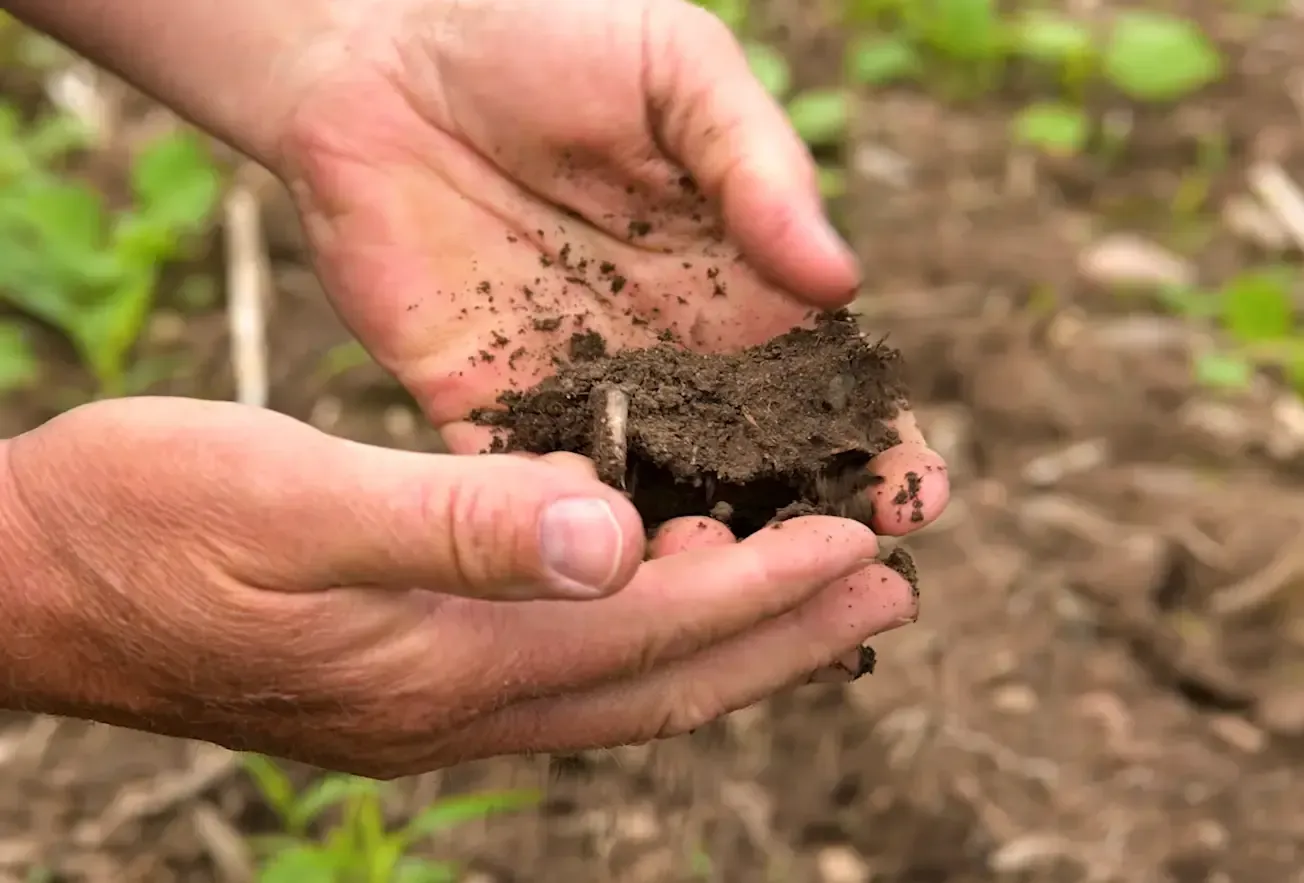
Different soils call for different foundation systems. Gravel and rock work well with shallow foundations like spread footings or strip footings. Compacted sand supports slab on grade and shallow foundations with proper confinement. Silt and clay often need deep foundations such as piles, piers, or drilled shafts to reach stable ground. Peat requires soil replacement or deep piling to reach stable layers far below the surface. Loam is suitable for residential foundations with proper grading and drainage. A good geotechnical report helps determine which option fits the site best and saves money on unnecessary overdesign.
Soil Testing Before Construction
Before any foundation is built, soil testing reveals what is happening below the surface. Common tests include the Standard Penetration Test to measure soil density, the Plate Load Test to estimate bearing capacity, the Atterberg Limits Test to check plasticity of clay, the Moisture Content Test to assess water levels, and the Compaction Test to evaluate soil firmness. These tests guide engineers in designing safe, stable, and code compliant foundations. They also help identify hidden risks like underground water pockets or weak layers that could threaten the structure later.
Soil Stabilization Methods
When natural soil is too weak or unpredictable, stabilization techniques help improve its performance. Common methods include compaction to reduce air gaps and increase density, cement or lime mixing to strengthen weak soils, geotextile reinforcement for added stability, soil replacement when conditions are too poor, and pressure grouting to fill voids and harden the ground. Each method is chosen based on soil type, project size, and structural load. The right combination can turn a problematic site into a strong, dependable base for construction.
Common Construction Problems Caused by Poor Soil
Ignoring soil conditions can lead to serious problems such as foundation cracks and settlement, uneven floors and tilted walls, water seepage and basement leaks, erosion around the structure, and long term structural instability. Most of these issues start small but worsen over time, especially in areas with expansive clay or poor drainage. Addressing soil related concerns early saves money and protects the structure for decades. Regular inspections also help catch warning signs before they turn into expensive repairs.
Tips for Building on Challenging Soil
If your construction site has tricky soil, start with a thorough geotechnical investigation and choose the right foundation type for the soil conditions. Improve drainage with proper grading and gutters, and use moisture barriers to control soil swelling. Apply soil stabilization where needed and work with experienced foundation specialists who understand local ground behavior. Taking these steps early ensures the structure remains safe and sound for years to come, no matter how unpredictable the ground may seem at first.
Final Thoughts
Understanding the types of soil in construction is essential for building strong, durable structures. From gravel and sand to clay and peat, each soil type has its own personality and challenges. Matching the foundation design to the soil conditions is what separates a long lasting building from one that runs into constant repair issues. Whether you are planning a new home, a commercial project, or simply trying to understand your property better, soil knowledge gives you a major advantage. And if you ever notice cracks, settling, or uneven floors, addressing them early with the right experts keeps your investment safe and your structure stable for the long haul.
Frequently Asked Questions
What are the main types of soil in construction?
Construction soils are classified by particle size, composition, and how they behave under load. The most common types are gravel, sandy soil, silty soil, clay, peat, loam, and rock or bedrock. Most real sites are mixtures of these, named accordingly, like clayey sand or sandy silt. Each one behaves differently under a foundation, which is why identifying the soil is one of the first steps on any project.
Which soil is best for building a foundation?
Gravel and rock offer the strongest support, with high bearing capacity, excellent drainage, and little to no movement with moisture. Compacted sand performs well too, and well graded loam can carry light to medium structures with proper site preparation. The common thread among the best soils is that they drain freely and stay stable under load rather than swelling, shrinking, or compressing.
Which soil is the worst for foundations?
Peat is generally the worst. It is organic, soft, holds enormous amounts of water, has very low bearing capacity, and decomposes over time, which causes ongoing settlement. Building on it usually requires deep piling or soil replacement to reach stable layers below. Clay is also challenging because of its shrink swell movement, and saturated silt is weak and prone to frost heave, so all three need special care.
Why is clay soil a problem for foundations?
Clay expands when wet and shrinks when dry, creating constant movement beneath a foundation. That shrink swell behavior, combined with high plasticity and low permeability, is a leading cause of cracked walls, uneven floors, and foundation failure in regions with seasonal moisture changes. Clay can still support a building when proper drainage, moisture control, and deeper foundation systems are used. If movement has already started, professional residential foundation repair can stabilize the structure.
What is soil bearing capacity and why does it matter?
Bearing capacity is the soil's ability to carry the loads placed on it without failing. Gravel and sand have higher bearing capacity, while silt and clay are typically lower, and as a general benchmark good bearing for houses starts around 150 kN/m². It matters because the foundation has to transfer the weight of the entire structure into the ground safely. If the bearing capacity is too low for the load, the building can sink, tilt, or crack, which is why engineers test for it before designing the foundation.
How is soil tested before construction?
A geotechnical investigation reveals what is happening below the surface before any foundation is built. Common tests include the Standard Penetration Test to measure soil density, the Plate Load Test to estimate bearing capacity, the Atterberg Limits Test to check the plasticity of clay, the Moisture Content Test to assess water levels, and the Compaction Test to evaluate firmness. These results guide a safe, stable, code compliant foundation design and flag hidden risks like weak layers or underground water.
Can weak or poor soil be improved for building?
Yes. When natural soil is too weak or unpredictable, stabilization techniques improve its performance. Common methods include compaction to reduce air gaps and increase density, cement or lime mixing to strengthen weak soils, geotextile reinforcement for added stability, full soil replacement when conditions are very poor, and pressure grouting to fill voids and harden the ground. The right method depends on the soil type, project size, and load. Two Brothers Foundation Repair can assess your site and recommend the right approach. Call (832) 412-2791 or request an inspection.