

What Is a Sump Pit and Why Does Your Home Need One?
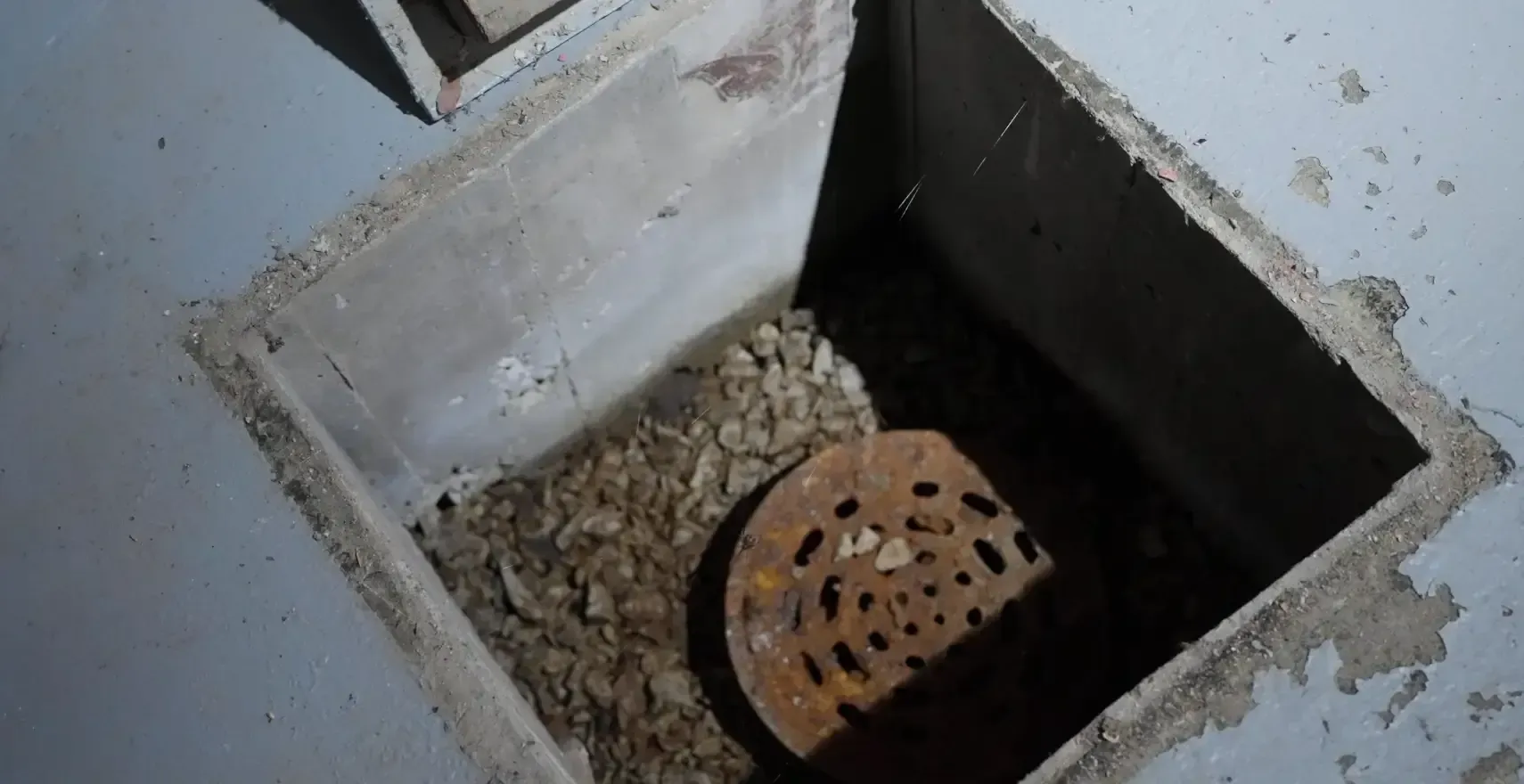
What is a sump pit? If you have ever dealt with water seeping into your basement or crawl space after a heavy rainstorm, that question is more important than it might seem. A sump pit is an excavated basin installed at the lowest point of your basement or crawl space floor, specifically designed to collect groundwater and excess moisture before it can spread across your floors and damage your foundation. It works in combination with a sump pump, which activates automatically when water in the pit reaches a set level and pushes that water out and away from your home through a discharge line. For Texas homeowners, especially those in the Houston area where heavy rain, high humidity, and poor drainage are common seasonal challenges, understanding how a sump pit works can mean the difference between a dry basement and a costly water damage repair. If you have noticed water pooling around your home's base, you may also want to read our post on water getting into your basement, which covers the common entry points and what to do about them.
The Difference Between a Sump Pit and a Sump Pump
Many homeowners use the terms sump pit and sump pump interchangeably, but they are two distinct components of the same system. The sump pit is the physical hole or basin dug into the floor. It is the collection point where water gathers. The sump pump is the mechanical device that sits inside or above the pit and does the actual work of removing the collected water.
You cannot have an effective sump pump installation without a properly sized and positioned pit beneath it. The pit determines how much water can be collected at once, how quickly the pump activates, and how well the entire system handles peak water flow during heavy rain events. Thinking of the sump pit as the foundation of your drainage system is an accurate way to understand its importance.
How a Sump Pit Works
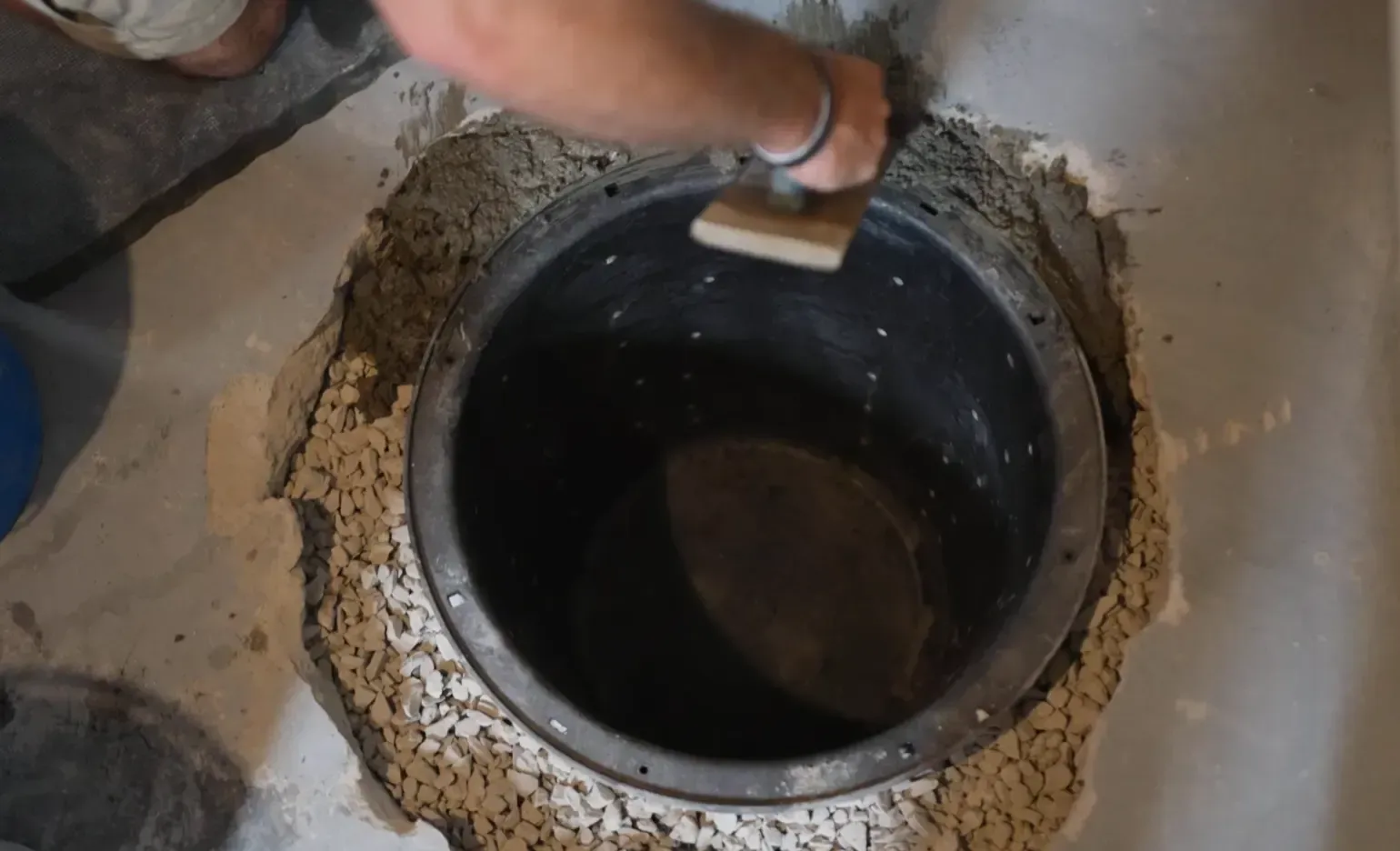
The mechanics behind a sump pit are straightforward but highly effective when properly installed. Water naturally flows toward the lowest available point in any space, and the sump pit is designed to take advantage of that principle. The pit is typically dug into the concrete floor of the basement or crawl space and lined with a plastic or concrete basin to prevent the walls from collapsing over time.
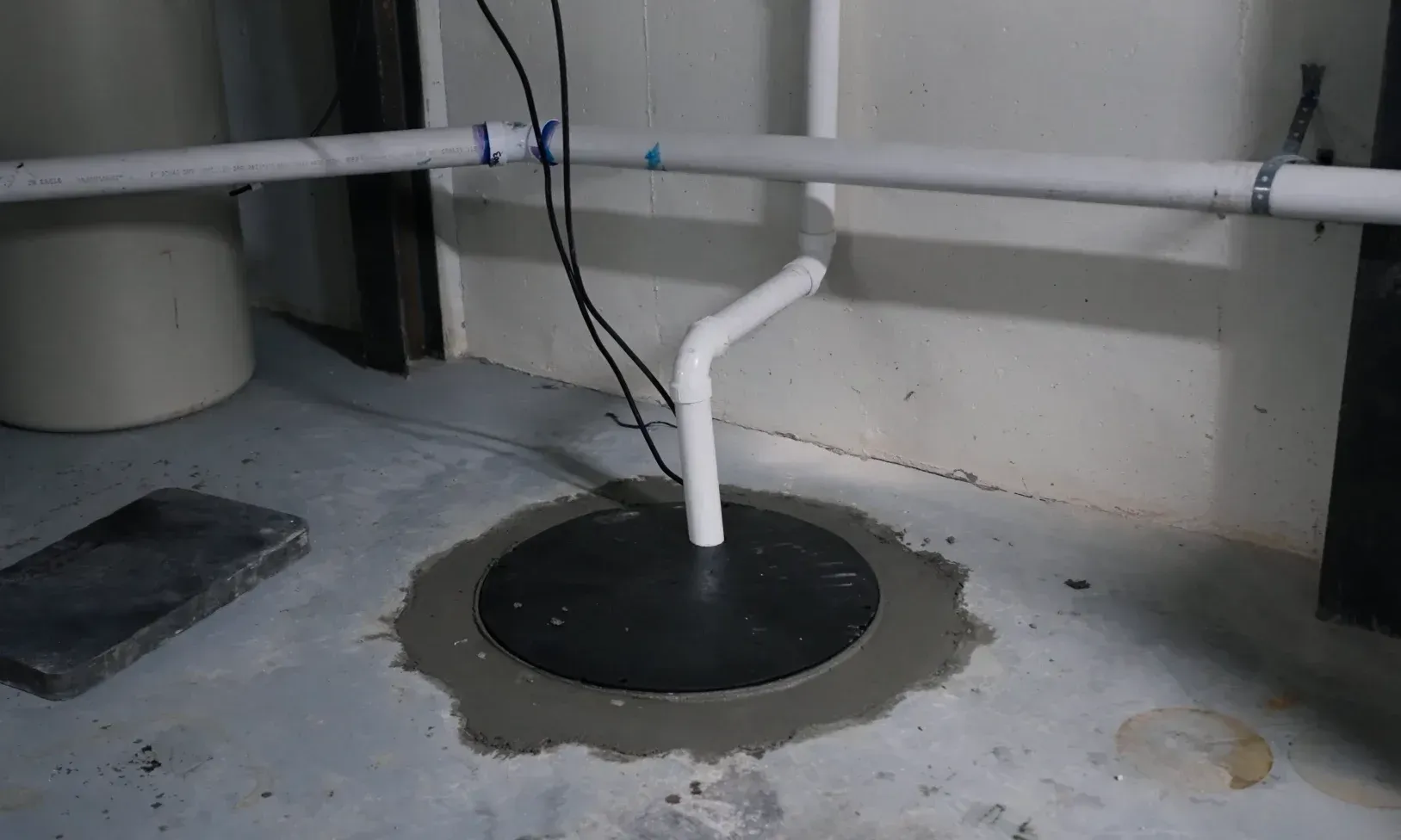
As groundwater rises beneath the slab or seeps in through the walls and floor, it flows toward and into the pit through perforations in the liner or through connected interior drain channels. When the water level inside the pit rises to a pre-set height, it triggers a float switch attached to the pump. The pump then activates, drawing the water up through a discharge pipe and directing it outside the home, typically toward a storm drain, a dry well, or a designated area of the yard far enough from the foundation to prevent the water from flowing back.
The system shuts off automatically once the water level drops below the float switch. This entire cycle can repeat many times during a single rainstorm, and a well-maintained system does so without any manual intervention from the homeowner.
Types of Sump Pits
Not all sump pits are built the same, and the right type for your home depends on the volume of water you typically deal with, the layout of your basement or crawl space, and your budget.
Prefabricated Sump Pits
These are the most commonly installed option for residential properties. They come as ready-made basins manufactured from durable plastic or concrete and are available in standard sizes. Prefabricated pits are perforated along the sides to allow groundwater to enter directly from the surrounding soil, and they can be connected to interior French drains or perimeter drainage channels. Installation is relatively quick and cost-effective, making them a popular choice for Houston-area homeowners looking for a reliable waterproofing solution.
Custom Sump Pits
In situations where water volume is particularly high, or where the basement layout presents unique challenges, a custom-built sump pit may be the better option. Custom pits can be made deeper or wider than standard prefabricated models, and they can be configured to accommodate multiple pumps for added redundancy. This type of installation is more common in older homes, homes with below-grade living spaces, or properties in areas with consistently high water tables.
Covered Sump Pits
Many modern sump pit installations include an airtight lid. The cover serves several purposes. It keeps debris, pests, and small objects from falling into the pit where they could clog or damage the pump. It also reduces the amount of moisture vapor and radon gas that can rise from the pit into the living space above. In homes where the basement is used as a finished living area, a covered sump pit is strongly recommended.
Why a Sump Pit Matters for Your Foundation
Water is the most consistent and damaging threat to residential foundations, particularly in the Houston region where clay soil retains moisture and heavy seasonal rains are a regular occurrence. When water saturates the soil around and beneath a slab foundation, it increases hydrostatic pressure against the concrete. Over time, that pressure causes cracks, allows moisture to seep through the slab, and accelerates the soil movement that leads to foundation settlement and structural damage.
A properly installed sump pit and pump system relieves that hydrostatic pressure by giving water an exit point before it can build up beneath the slab or against foundation walls. This is why sump pits are often included as part of a comprehensive foundation drainage solution rather than treated as a standalone product. Drainage, grading, and waterproofing systems all work together to protect the structural integrity of your home from the ground up.
Signs Your Home May Need a Sump Pit
Many homeowners do not think about sump pit installation until after water damage has already occurred. Recognizing the early warning signs can help you act before the situation becomes expensive to repair.
If your basement or crawl space has experienced any flooding, even minor pooling after heavy rain, that is the clearest indicator that a sump pit and pump system should be considered. Persistent dampness on basement walls or floors, visible efflorescence (white mineral deposits left behind by evaporating water), musty odors, or signs of mold growth are all evidence that moisture is regularly entering the space and not being effectively removed.
Homes in low-lying areas, neighborhoods with high water tables, or properties where the yard slopes toward the house rather than away from it are at elevated risk and benefit most from proactive sump pit installation. Even if your basement has remained dry up to this point, a history of significant flooding in your area is reason enough to evaluate whether your home has adequate drainage protection in place.
Sump Pit Maintenance: What Homeowners Should Know
A sump pit is a relatively low-maintenance system, but it does require periodic attention to keep it functioning properly. Debris, sediment, and small particles can accumulate in the pit over time and potentially clog the pump intake or wear down the motor. Cleaning the pit at least once a year, and inspecting it before the rainy season begins, is a straightforward way to extend the life of the system.
Testing the pump regularly is equally important. You can do this by slowly pouring water into the pit until the float switch activates and the pump kicks on. If the pump fails to start, runs but does not remove the water, or makes unusual sounds during operation, it is time to call a professional for an inspection. A backup battery-powered pump is also worth considering in Houston, where power outages during major storm events are not uncommon. If the primary pump loses power during a flood, the backup unit ensures the system continues to operate.
When to Call a Professional
Installing a sump pit is not a DIY project. The placement of the pit must be calculated based on the lowest point in the floor, the location of existing drainage systems, the soil conditions beneath the slab, and local building codes. An improperly placed or undersized pit can reduce system effectiveness and lead to water damage despite the installation.
At Two Brothers Foundation Repair, our team has extensive experience designing and installing drainage solutions tailored to Houston's unique soil and water conditions. If your home is showing signs of moisture intrusion or if you want to get ahead of potential foundation water damage before the next storm season, contact us today for a free inspection and personalized recommendation.
Frequently Asked Questions
Q1. How deep does a sump pit need to be?
Most residential sump pits are installed between 18 and 24 inches deep and roughly the same in diameter. The ideal size depends on your water table level, soil conditions, and how much water your home collects during heavy rain. A professional assessment is the best way to determine the right dimensions for your property.
Q2. Can a sump pit be installed in an existing home?
Yes, sump pits can be retrofitted into existing homes without major disruption. The process involves cutting through the concrete floor, excavating the pit, placing the liner, connecting drainage systems, and patching the surrounding concrete. It is a routine job for experienced foundation drainage contractors.
Q3. How long does a sump pit last?
The pit liner itself can last for decades. The sump pump inside typically has a lifespan of seven to ten years, depending on how frequently it runs and how well it is maintained. Annual inspections and timely replacement of worn parts will keep the system running reliably for many years.
Q4. What happens if the sump pump fails during a storm?
If the primary pump fails, water in the pit will overflow onto the basement floor and cause flooding. This is why many Houston homeowners invest in a battery-powered backup pump that activates automatically if the primary unit stops working. Testing your pump before storm season is the simplest way to avoid this situation.
Q5. Does a sump pit cause moisture or odor problems?
An uncovered pit can allow moisture vapor and odors to rise into the living space above. Installing an airtight lid seals the pit when the pump is not running, reduces basement humidity, and eliminates musty smells associated with stagnant water. If your current pit is open, adding a cover is a simple and affordable fix.
Q6. Is a sump pit the same as a French drain?
No, they serve different but complementary roles. A French drain is a perforated pipe that intercepts and redirects groundwater along the foundation perimeter. The sump pit acts as the collection endpoint for that water, holding it until the pump discharges it away from the home. Together, they form a complete interior waterproofing system.