

Sump Pit in Basement: What It Is and Why You Need One
A sump pit in basement spaces is one of the most important yet least understood parts of a healthy, dry home. It is the small reservoir set into the lowest point of your floor that collects groundwater and channels it safely away from your foundation. If you have ever wondered why your basement stays dry while your neighbor's floods, the answer often comes down to a properly working sump system. Understanding what a
sump pit does, how it works, and when you need one can save you from costly water damage and foundation trouble down the road. It also helps to know exactly
what a sump pit is and how it fits into your foundation before you decide whether your home needs one.
What Is a Sump Pit?
A sump pit, sometimes called a sump basin or sump well, is a hole dug into the lowest part of a basement or crawl space floor and lined with a perforated container. Groundwater that collects beneath and around your foundation naturally flows toward this low point. As water seeps in through the perforations, it gathers in the pit until it reaches a set level. From there, a sump pump kicks on and moves the water up and out of your home, discharging it a safe distance away from the foundation.
It helps to separate two terms that homeowners often confuse. The sump pit is the basin itself, the container that holds the water. The sump pump is the device that sits inside that basin and does the work of pumping water out. You cannot have an effective sump system without both, but they are not the same thing. The pit gives the water somewhere to go, and the pump gives it a way out.
How a Sump Pit in a Basement Works
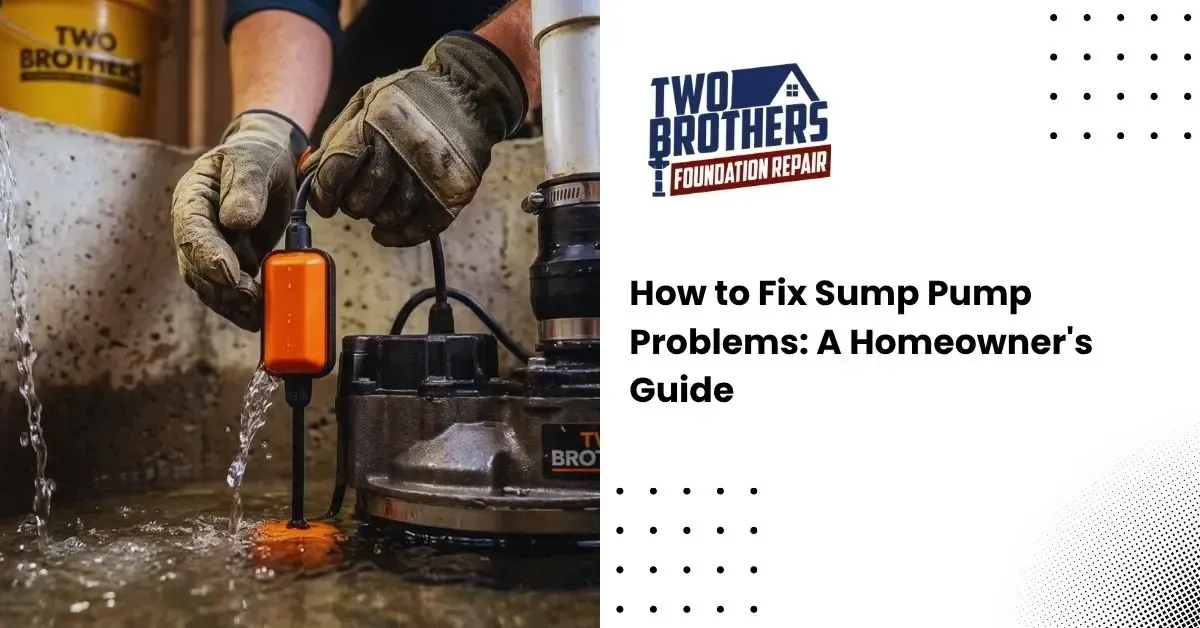
The whole system relies on gravity and a simple float switch. Because the pit is the lowest point in the basement, water travels toward it the way water always travels downhill. As the basin fills, a float rises with the water level, much like the float in a toilet tank. Once the water reaches a preset height, the float triggers the pump to turn on.
The pump then pushes the collected water through a discharge pipe that carries it outside, away from the foundation walls and footings. When the water level drops back down, the float falls, the pump shuts off, and the cycle waits to repeat. During heavy rain or rapid snowmelt, this cycle can run many times an hour, quietly keeping thousands of gallons of water out of your living space.
A well designed sump pit also includes a check valve on the discharge line. This one way valve stops the pumped water from flowing back into the pit once the pump shuts off, which prevents the pump from short cycling and wearing out prematurely. Many homeowners also add a battery backup pump so the system keeps working during the power outages that often accompany the very storms that cause flooding.
Why You Need a Sump Pit in Your Basement
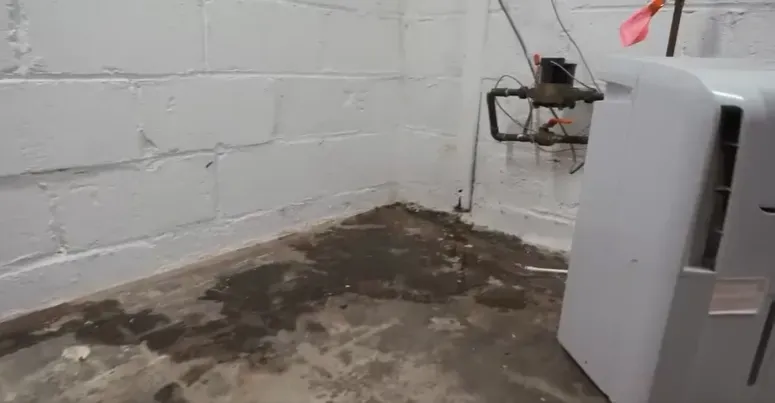
Basements sit below the surrounding ground, which makes them naturally prone to collecting water. Rain soaks into the soil, the water table rises, and hydrostatic pressure pushes moisture toward and into your foundation. Without a way to manage that water, it has nowhere to go but up through your floor and in through your walls.
A sump pit solves this by giving water a controlled path out of your home. The benefits add up quickly. It prevents standing water and flooding that can ruin flooring, drywall, and stored belongings. It reduces the chronic dampness that leads to mold, mildew, and that unmistakable musty basement smell. Most importantly, it relieves the water pressure that would otherwise stress your foundation walls and footings over time.
For homes in regions with heavy rainfall, high water tables, or expansive clay soils, a sump pit is not a luxury but a core part of keeping the structure sound. When water is left to collect against a foundation year after year, the resulting pressure and soil movement can lead to cracks, bowing walls, and settlement. If you are already seeing signs of moisture related damage, professional
basement foundation repair combined with a properly installed sump system is often the most reliable way to protect your home for the long term.
Signs Your Basement Needs a Sump Pit
Not every basement comes with a sump system, and many older homes were built before this kind of water management was standard. Here are the clearest signs that adding one is worth serious consideration:
- Water pools on the basement floor after heavy rain or snowmelt
- The lowest level of your home feels persistently damp or humid
- You notice a musty, earthy odor that never quite goes away
- White, chalky efflorescence appears on concrete walls or floors
- Mold or mildew keeps returning despite cleaning
- Cracks in the foundation walls or floor show signs of water seepage
- Your neighbors in the same area rely on sump pumps to stay dry
A single warning sign may be manageable, but several together strongly suggest that water is finding its way into your basement and needs a controlled exit.
Sump Pit Installation Considerations
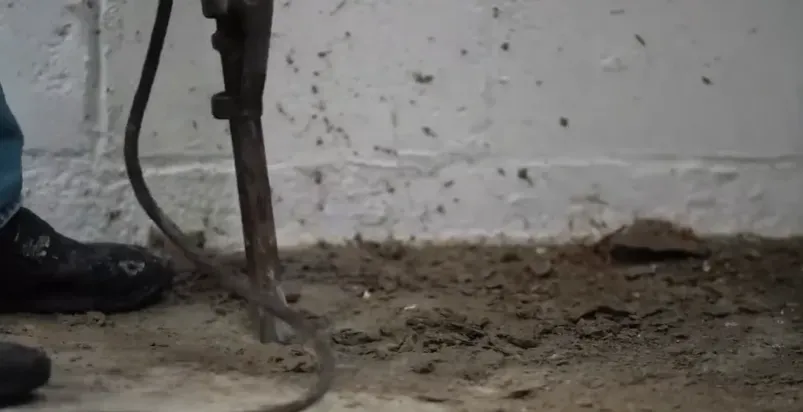
Adding a sump pit to an existing basement is a more involved project than installing one during original construction, but it is very achievable for an experienced contractor. The work involves breaking through the concrete floor at the lowest point, excavating a hole, setting and sealing the basin, and routing a discharge line that carries water far enough from the house that it does not simply circle back.
Placement matters a great deal. The pit needs to sit at the true low point so water flows to it naturally, and it should be positioned where the discharge line can reach a safe outlet. The pit must also be sized correctly for the volume of water your home tends to handle. An undersized pit fills too fast and forces the pump to run constantly, while a poorly placed one leaves areas of the floor unprotected. Because these decisions affect how well the entire system performs, installation is best handled by professionals who understand local soil and water conditions.
Maintaining Your Sump Pit and Pump
A sump system protects your home only when it works on demand, which means a little routine maintenance goes a long way. Check the pit a few times a year and clear out any silt, gravel, or debris that has settled at the bottom, since buildup can clog the pump intake. Test the pump by pouring a bucket of water into the pit and confirming that the float rises, the pump activates, and the water drains out.
Inspect the discharge line to make sure it is not frozen, crushed, or blocked, and verify that water exits well away from the foundation. If your system has a battery backup, test that battery on a schedule so it is ready when a storm knocks out the power. Most sump pumps last around seven to ten years, so if yours is approaching that age, plan to replace it before it fails at the worst possible moment.
When to Call a Professional
Some sump maintenance is simple enough for any homeowner, but installation, repositioning, and diagnosing recurring water problems are jobs for a professional. If you are dealing with repeated flooding, foundation cracks, bowing walls, or water that keeps returning no matter what you do, the issue likely goes beyond the pump itself and points to a broader drainage or foundation concern.
A qualified foundation contractor can evaluate exactly how water is entering your home, recommend the right size and placement for a sump pit, and pair it with the drainage and waterproofing measures your basement actually needs. That kind of complete approach prevents the cycle of patching one symptom only to watch another appear.

The Bottom Line
A sump pit in basement spaces is the quiet workhorse of a dry, stable home. It gives groundwater a controlled place to collect and a clear path out, protecting your floors, your air quality, and the foundation that holds everything up. Whether your basement has flooded before or you simply want to get ahead of the risk, a properly installed and maintained sump system is one of the smartest investments you can make.
If your basement shows signs of water trouble or you want expert guidance on the right sump and drainage setup, the team at Two Bros Foundation Repair is ready to help. Our technicians diagnose the real source of basement moisture and deliver lasting solutions built for Texas conditions. Contact us today for a professional inspection and keep your home dry from the ground up.
Frequently Asked Questions
What is the difference between a sump pit and a sump pump?
The sump pit is the basin, a hole dug into the lowest point of a basement or crawl space floor and lined with a perforated container that collects groundwater. The sump pump is the device that sits inside that basin and pumps the collected water up and out of your home. You cannot have an effective system without both: the pit gives water somewhere to go, and the pump gives it a way out. Homeowners often use the terms interchangeably, but they are two separate parts of one system.
How does a sump pit in a basement work?
The system relies on gravity and a simple float switch. Because the pit is the lowest point in the basement, groundwater naturally flows toward it and seeps in through the perforations. As the basin fills, a float rises with the water level, and once it reaches a preset height it triggers the pump to turn on. The pump pushes the water through a discharge pipe that carries it safely away from the foundation, then shuts off when the level drops. A check valve on the discharge line keeps that water from flowing back into the pit.
How deep should a sump pit be?
A typical residential sump pit is around 2 feet deep and roughly 18 inches wide, though larger 24 inch basins are used when a home needs more storage capacity or a high capacity pump with battery backup. The right size depends on how much water your home tends to handle. An undersized pit fills too fast and forces the pump to run constantly, so correct sizing and placement at the true low point are key to good performance.
How do I know if I need a sump pit in my basement?
Watch for the clearest warning signs: water pooling on the floor after heavy rain or snowmelt, a persistently damp or humid lower level, a musty earthy odor that never fully clears, white chalky efflorescence on concrete, returning mold or mildew, and foundation cracks that show water seepage. One sign alone may be manageable, but several together strongly suggest water is entering and needs a controlled exit. Homes in areas with heavy rainfall, high water tables, or expansive clay soil benefit most.
How much does it cost to install a sump pit and pump?
Cost varies widely with your floor and the pump you choose. Installing the basin itself often runs a few hundred to around twelve hundred dollars in labor, and a full sump pump installation averages roughly $1,200, with a typical range of about $200 to $4,000. Cutting through a concrete floor adds the most cost because it requires jackhammers and specialized equipment. The only way to get an accurate number for your home is a professional assessment, and Two Brothers Foundation Repair offers a free inspection and estimate.
How long does a sump pump last, and how do I maintain it?
Most sump pumps last around seven to ten years, so plan to replace yours before it fails during a storm. Maintenance is simple but important: clear silt, gravel, and debris from the pit a few times a year, then test the pump by pouring in a bucket of water and confirming the float rises and the water drains out. Inspect the discharge line for blockages and make sure water exits well away from the foundation, and if you have a battery backup, test the battery on a schedule.
Can you add a sump pit to an existing basement?
Yes. Adding a sump pit to a finished basement is more involved than installing one during construction, but it is very achievable for an experienced contractor. The work involves breaking through the concrete floor at the lowest point, excavating and sealing the basin, and routing a discharge line far enough from the house that water does not circle back. Because placement and sizing decide how well the whole system performs, it pairs best with the broader
basement foundation repair and
drainage solutions your home actually needs. Call Two Brothers Foundation Repair at (832) 412-2791 to plan it.