

What Is Native Soil? Meaning, Types & Foundation Risks
What is native soil is an important question for any homeowner, builder, or property buyer who wants to understand the ground their home sits on. Native soil refers to the natural, undisturbed soil that exists on a piece of land before any construction, grading, or imported fill is added. It is the original earth that has formed over thousands of years through weathering, decomposition, and natural geological processes. Knowing the type of native soil under your home matters because it directly affects your foundation's stability, drainage, and long-term performance. In Texas, where soil conditions vary dramatically from region to region, native soil plays an even bigger role in how a home holds up over time. If you are curious about how dirt impacts your structure, our guide on types of soil in construction breaks down the basics every property owner should know.
Native Soil Definition: What It Really Means
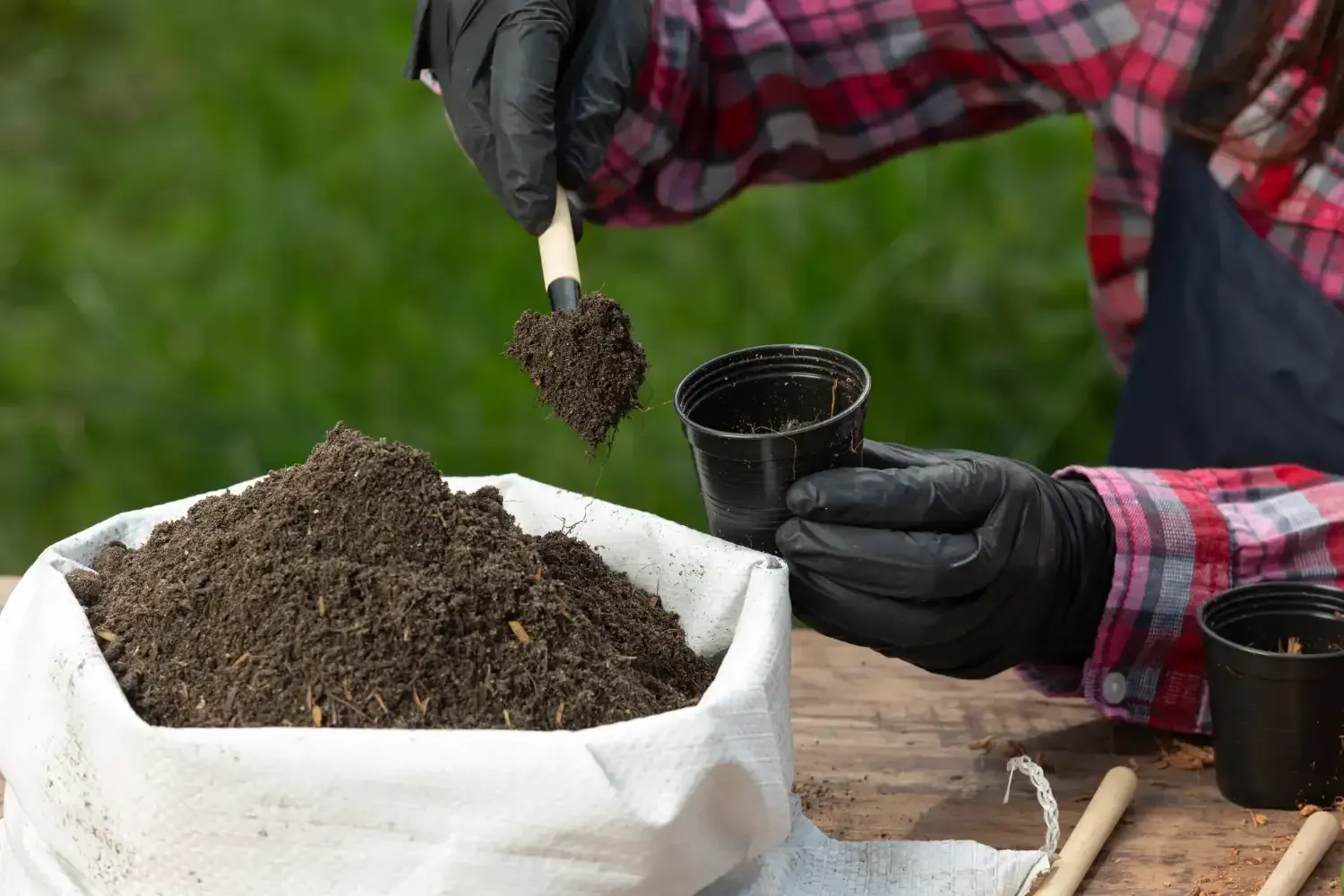
Native soil is the natural soil layer that has developed in place over centuries without being moved, mixed, or replaced by humans. It contains a unique blend of minerals, organic matter, microbes, and moisture based on the local climate, vegetation, and bedrock. When a builder breaks ground on a new home, the native soil is what they first encounter before any leveling or fill material is added.
In contrast, "fill soil" is dirt that has been brought in from another location to raise the ground level, fill in low spots, or create a stable base for construction. Fill soil and native soil behave very differently, which is why understanding the difference matters so much when buying, building, or repairing a home.
Native soil is shaped by:
- Local climate and rainfall patterns
- The type of bedrock beneath the surface
- Native plants and root systems
- Time and natural weathering
- Drainage and groundwater flow
These factors create soil that is uniquely suited to its location but not always ideal for construction.
Common Types of Native Soil
Not all native soil is created equal. Different regions have different soil compositions, and each type has its own strengths and weaknesses when it comes to supporting a home. Here are the most common types you may encounter:
1. Clay Soil
Clay is one of the most common native soils in Texas and across much of the southern United States. It is made up of very fine particles that hold water tightly. When wet, clay expands and becomes sticky. When dry, it shrinks and cracks. This constant expansion and contraction puts enormous pressure on foundations and is a leading cause of foundation damage in the region.
2. Sandy Soil
Sandy soil drains quickly and does not hold water well. It is loose, gritty, and easy to work with. While sandy soil rarely causes the same swelling problems as clay, it can shift under heavy loads and may not provide a stable base for large structures without proper compaction.
3. Silt Soil
Silt is made up of medium-sized particles that feel smooth and powdery when dry. It holds water better than sand but not as tightly as clay. Silt can become unstable when saturated, leading to settling and erosion issues around foundations.
4. Loam Soil
Loam is a balanced mix of sand, silt, and clay. It is considered the ideal soil for gardening and farming because it drains well while still holding nutrients. For construction, loam offers moderate stability but still requires proper evaluation before building.
5. Rocky or Gravelly Soil
This type of native soil contains a high percentage of rocks, pebbles, or gravel. It typically drains very well and provides excellent support for foundations. However, it can be difficult to dig through and may require specialized equipment during construction.
6. Peat Soil
Peat is dark, spongy, and rich in organic material. It holds large amounts of water and is rarely a good base for construction because it compresses easily under weight. Homes built on peat soil often experience significant settling.
Native Soil vs. Fill Soil: Quick Comparison Table
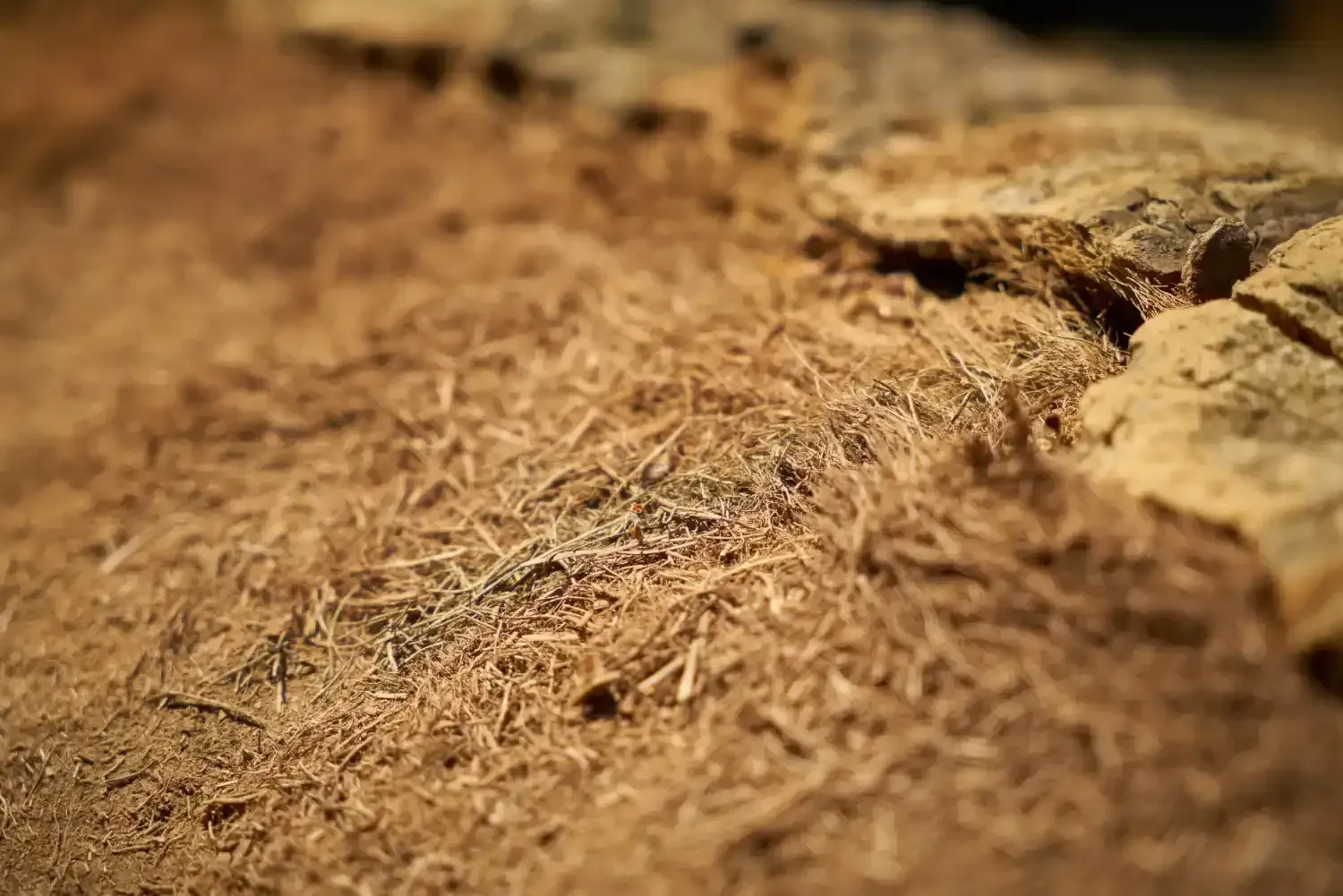
Understanding the difference between native soil and fill soil is critical when evaluating a property or planning construction. Here is a side-by-side breakdown of how they compare:
| Factor | Native Soil | Fill Soil |
|---|---|---|
| Origin | Naturally formed on the site | Brought in from another location |
| Composition | Consistent layers developed over time | Mixed materials from various sources |
| Compaction | Naturally compacted over centuries | Requires mechanical compaction |
| Stability | Generally stable when undisturbed | Varies based on quality and compaction |
| Drainage | Predictable based on soil type | Can be unpredictable without testing |
| Cost | No additional cost, already on site | Costs money to purchase and transport |
| Foundation Suitability | Depends on soil type and condition | Must be properly engineered and compacted |
| Settlement Risk | Low if undisturbed | Higher if not compacted correctly |
| Erosion Risk | Lower, stabilized by local plants | Higher, especially on new sites |
| Testing Needs | Standard geotechnical evaluation | Requires careful testing and monitoring |
This comparison shows why builders, inspectors, and foundation specialists pay close attention to which type of soil your home sits on. Both can support a solid structure, but each requires the right approach.
Why Native Soil Matters for Your Foundation
The native soil under your home is one of the most important factors in determining how well your foundation will perform over time. Here is why it deserves serious attention:
Soil Movement Causes Foundation Damage
Native soils, especially clay-heavy types found across Texas, expand when wet and shrink when dry. This movement places constant stress on foundations, leading to cracks, settling, and uneven floors. Over the years, this stress can cause major structural damage if not addressed early.
Drainage Affects Soil Behavior
How water moves through your native soil determines how stable it stays. Poor drainage causes water to pool around the foundation, saturating the soil and increasing pressure on basement and crawl space walls. Good drainage keeps the soil dry and stable. If you are dealing with water pooling or runoff issues, our foundation drainage solutions help redirect water away from your home before it causes lasting damage.
Soil Density Supports Structural Load
Foundations rely on the soil beneath them to bear the weight of the entire home. Dense, well-compacted native soils provide excellent support. Loose or organic-rich soils, like peat, struggle to hold heavy loads and lead to settling problems.
Native Soil Varies Across Your Property
Even on a single lot, native soil can vary in composition and depth. One corner of the house might sit on solid clay while another rests on sandy fill. This uneven support can cause differential settling, where one part of the home sinks faster than another.
How to Tell What Type of Native Soil You Have
If you want to know what kind of native soil sits beneath your home, there are a few ways to find out:
Look at local geology maps. Many states publish detailed soil maps that show the dominant soil types in your area. The USDA Natural Resources Conservation Service offers free online tools to check your property.
Dig a small test hole. A simple shovel test can reveal a lot. Dig down about two feet and examine the soil's color, texture, and moisture content. Clay feels sticky, sand feels gritty, and loam feels crumbly.
Try the jar test. Fill a jar one-third full with soil, add water, shake it, and let it settle for 24 hours. The layers will separate into sand at the bottom, silt in the middle, and clay on top, showing you the proportions.
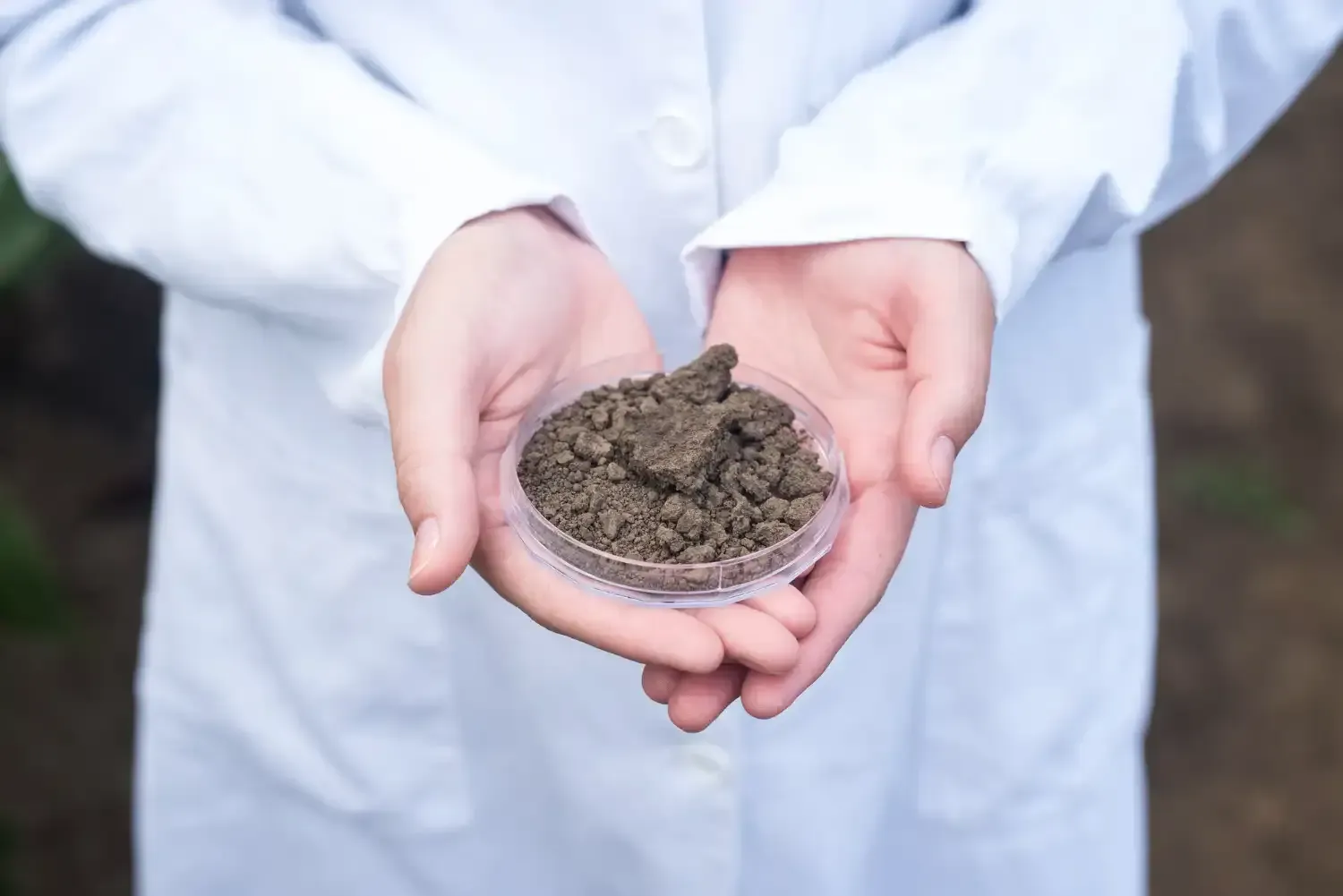
Hire a geotechnical engineer. For serious construction or repair projects, a professional soil test is the most accurate option. Engineers take soil samples, analyze them in a lab, and provide detailed reports on bearing capacity, moisture content, and shrink-swell potential.
Protecting Your Home Based on Native Soil Type
Once you know your native soil type, you can take steps to protect your foundation:
For clay soil, focus on consistent moisture control. Water the perimeter of your foundation during dry spells to prevent soil shrinkage, and improve drainage during wet seasons to prevent swelling.
For sandy soil, make sure proper compaction was done before construction. Watch for erosion around the foundation, especially after heavy rain.
For silty soil, prioritize drainage and grading. Silty soil becomes unstable when saturated, so keeping water away is critical.
For rocky soil, you have a natural advantage, but still inspect for movement or settling caused by underground shifts.
For peat or organic soil, consult a foundation specialist immediately. These soils rarely support homes without significant engineering work.
Warning Signs of Native Soil Problems
Pay attention to these warning signs that your native soil may be affecting your foundation:
- Cracks in interior or exterior walls
- Doors and windows that stick or no longer close properly
- Uneven or sloping floors
- Gaps between walls, ceilings, or floors
- Visible foundation cracks, especially horizontal ones
- Water pooling near the foundation after rain
- Sinking patios, driveways, or porches
- Bowing basement or crawl space walls
If you notice any of these, do not wait. Native soil problems get worse over time and become more expensive to fix the longer they go unaddressed.
Final Thoughts
What is native soil is more than a technical question, it is a key part of understanding how your home stays standing year after year. The natural earth beneath your foundation shapes everything from drainage and stability to long-term repair needs. Whether you live on Texas clay, sandy coastal soil, or rocky terrain, knowing your native soil type helps you make smarter decisions about maintenance, landscaping, and home improvements.
If you are noticing cracks, settling, or drainage issues caused by the soil around your home, the team at Two Bros Foundation Repair is here to help. Our experienced specialists evaluate your property, identify soil-related risks, and deliver lasting solutions that protect your foundation for years to come. Reach out today and give your home the strong, stable base it deserves.
Frequently Asked Questions
What is native soil?
Native soil is the natural, undisturbed soil that exists on a piece of land before any construction, grading, or imported fill is added. It forms in place over centuries through weathering, decomposition, and natural geological processes, so it contains a unique blend of minerals, organic matter, microbes, and moisture shaped by the local climate, bedrock, and vegetation. It is the original earth a builder first encounters when breaking ground, and its type directly affects your foundation's stability and drainage.
What is the difference between native soil and fill dirt?
Native soil forms naturally on site over time, while fill dirt is brought in from another location to raise grades, fill low spots, or create a stable base. Good fill dirt is inert subsoil with little to no organic matter, because organic material decomposes and causes settling over time. The two behave very differently: native soil is naturally compacted and generally stable when undisturbed, whereas fill must be mechanically compacted and carefully tested to perform reliably. Knowing which one your home sits on matters when buying, building, or repairing.
Which native soil type is best for a foundation?
Rocky or gravelly soil is usually the best for foundations because it drains well and provides excellent support, though it can be hard to excavate. Loam offers moderate stability, while sandy and silty soils can shift or become unstable when loaded or saturated. The worst is peat or organic soil, which is spongy, holds water, and compresses under weight, so homes built on it often settle significantly. Clay, the most common type in Texas, supports homes but moves a great deal with moisture changes.
Why is clay soil bad for foundations in Texas?
Clay is made of very fine particles that hold water tightly, so it expands and becomes sticky when wet and shrinks and cracks when dry. That constant expansion and contraction puts enormous, repeated pressure on a foundation, which is a leading cause of cracks, settling, and uneven floors across Texas. Managing moisture consistently around the home is the key to limiting that movement, often with help from proper foundation drainage solutions.
How do I find out what type of native soil is under my home?
There are four practical options. Check local geology maps, including the free USDA Natural Resources Conservation Service tools, to see the dominant soil in your area. Dig a small test hole about two feet down and feel the texture, since clay feels sticky, sand feels gritty, and loam feels crumbly. Try the jar test by shaking soil and water in a jar and letting it settle for 24 hours so the sand, silt, and clay layers separate. For serious construction or repair, hire a geotechnical engineer for a lab tested report on bearing capacity and shrink swell potential.
Can you put native soil, topsoil, or garden soil against your foundation?
You should not place topsoil or garden soil directly against a foundation, because their organic matter holds water, attracts pests, and decomposes over time, which causes settling near the home. Native clay soil also tends to trap moisture against the wall. For grading next to a foundation, inert fill dirt is the right material, and the ground should slope away from the house to move water off. Topsoil and garden soil are best reserved for growing plants, not for backfilling against the structure.
What are the warning signs that native soil is damaging my foundation?
Watch for cracks in interior or exterior walls, doors and windows that stick or will not close, uneven or sloping floors, gaps between walls, ceilings, or floors, horizontal foundation cracks, water pooling near the foundation after rain, sinking patios or driveways, and bowing basement or crawl space walls. These problems get worse and more expensive the longer they go unaddressed. If you notice several, have the property evaluated. Two Brothers Foundation Repair offers a
free inspection or you can call (832) 412-2791.