

Cracks in Your Garage Foundation Wall: Causes, Risks, and How to Fix Them
You walk into the garage, glance at the wall, and there it is: a crack running down the concrete that you are sure was not there last year. The first question every homeowner asks is the right one. Is this serious, or is it just the house getting older? Cracks in your garage foundation wall can be either. Some are harmless normal settling cracks that come with age and curing concrete, and some are early warnings of a foundation that is moving. This guide shows you how to tell the difference, what causes each type, how garage cracks get repaired, and how to keep them from coming back.
Are Garage Foundation Wall Cracks Serious?
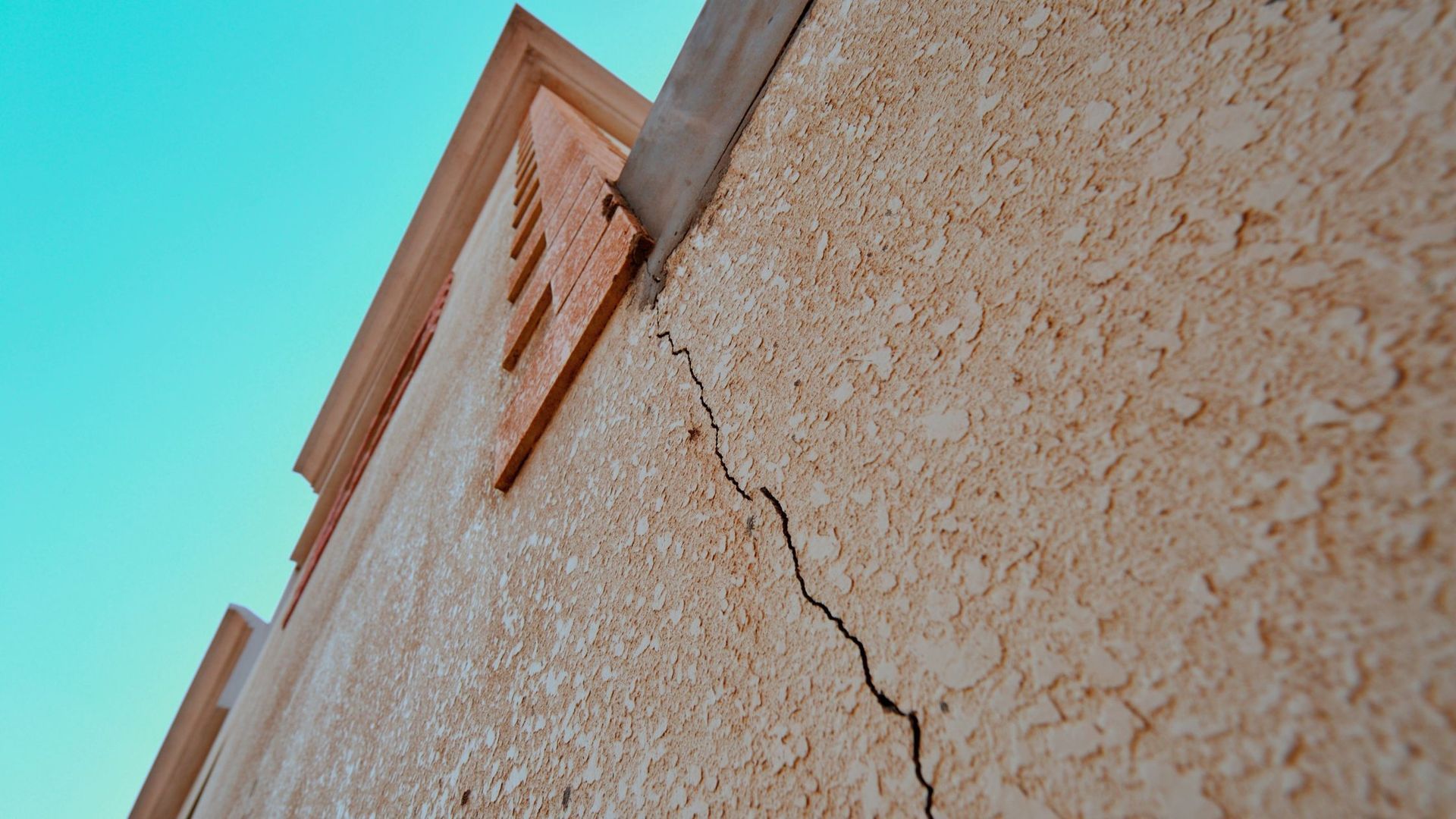
Not every crack is a problem. Concrete naturally shrinks as it cures, and most garages develop fine hairline cracks within the first couple of years that never go anywhere. The cracks worth worrying about are the ones that are wide, growing, or paired with other signs of movement. Use this quick reference to size up what you are looking at.
| What to Check | Usually Harmless | Likely Serious |
|---|---|---|
| Width | Less than 1/8 inch | Wider than 1/4 inch |
| Movement | Stable, not growing | Widening over weeks or months |
| Pattern | Thin, vertical, or hairline | Horizontal, stair-step, or diagonal |
| Offset | Both sides level | One side raised above the other |
| Water | Dry | Seeping water or mineral deposits |
| Other Signs | None | Sticking doors, sloping floor, bowing wall |
A simple field test: if you can slide a dime into the crack, or one side sits higher than the other, it is time for a professional to look at it. Everything in the right-hand column points to soil movement or pressure rather than simple shrinkage.
Garage Foundation Cracks by Direction
The direction a crack runs is the clearest clue to what is causing it. Read the pattern and you can usually tell shrinkage from structural stress before anyone picks up a tool.
Vertical Cracks
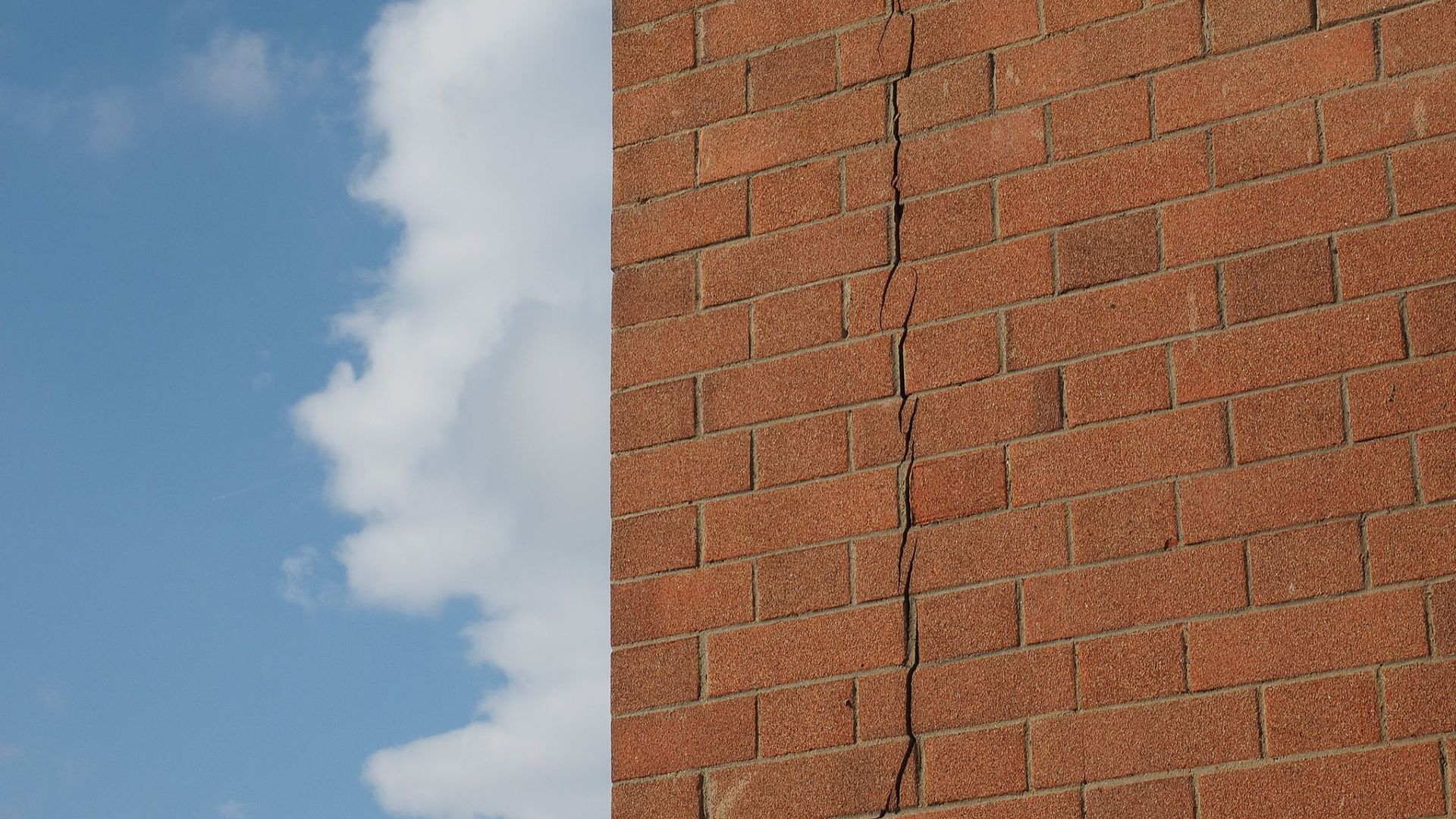
Vertical cracks are the most common and usually the least alarming. As concrete cures it loses moisture and shrinks, and a thin, straight vertical line is often just that. Watch it if it sits near a corner or grows wider than 1/8 inch, since that can point to uneven settling.
Horizontal Cracks
Horizontal cracks in a garage foundation wall are the ones to take seriously. They are typically caused by hydrostatic pressure, where water-saturated soil swells and pushes inward against the wall. Left alone, that pressure can bow the wall and lead to structural failure. A horizontal crack almost always warrants a professional assessment.
Stair-Step Cracks
In garages built with concrete block, cracks that zig-zag along the mortar joints in a stair-step pattern are a classic sign of differential settlement, meaning one part of the foundation is sinking faster than the rest. These are structural and should not be ignored.
Diagonal Cracks
Diagonal cracks usually mean the foundation is shifting at an angle. A diagonal crack that is wider at the top than the bottom suggests the soil below is moving or heaving, and it deserves a closer look.
Hairline and Map Cracking
A web of tiny shallow cracks across the surface, sometimes called crazing or map cracking, is almost always cosmetic. It happens when the surface dries too fast during curing. It will not threaten the structure, though it can trap dirt and moisture and is worth sealing.
Floating Slab vs Monolithic: Why Your Garage Build Matters
How your garage was poured changes how much a crack matters. Most garage floors are floating slabs, poured separately from the foundation walls so they can move slightly with the soil. A crack in a floating slab often means the slab shifted, not that the house is failing. In a monolithic pour, where the floor and foundation perimeter are a single piece of concrete, a crack is more likely tied to the structural health of the whole foundation. Knowing which one you have helps set the right level of concern, and it is one of the first things a professional will check.
What Causes Cracks in a Garage Foundation Wall
Most garage foundation cracks trace back to one thing: something is moving the soil under or around the slab. The usual culprits are:
- Expansive clay soil that swells when wet and shrinks when dry, putting constant push-and-pull pressure on the foundation.
- Poor drainage, the single most common cause, where clogged gutters or downspouts dump water against the garage and erode the soil beneath it.
- Freeze-thaw cycles, where water seeps into a crack, freezes, expands, and widens the crack a little more each winter.
- Heavy loads from parking large vehicles or equipment in the same spot on a slab that was not built or compacted for that weight.
- Tree roots that grow under the foundation and exert enough pressure to lift or crack the concrete.
- Hydrostatic pressure from saturated soil pressing sideways on the wall, the main driver behind horizontal and bowing cracks.
- Poor original construction, such as concrete that was under-reinforced, poorly mixed, or cured too quickly.
Warning Signs the Crack Is Structural
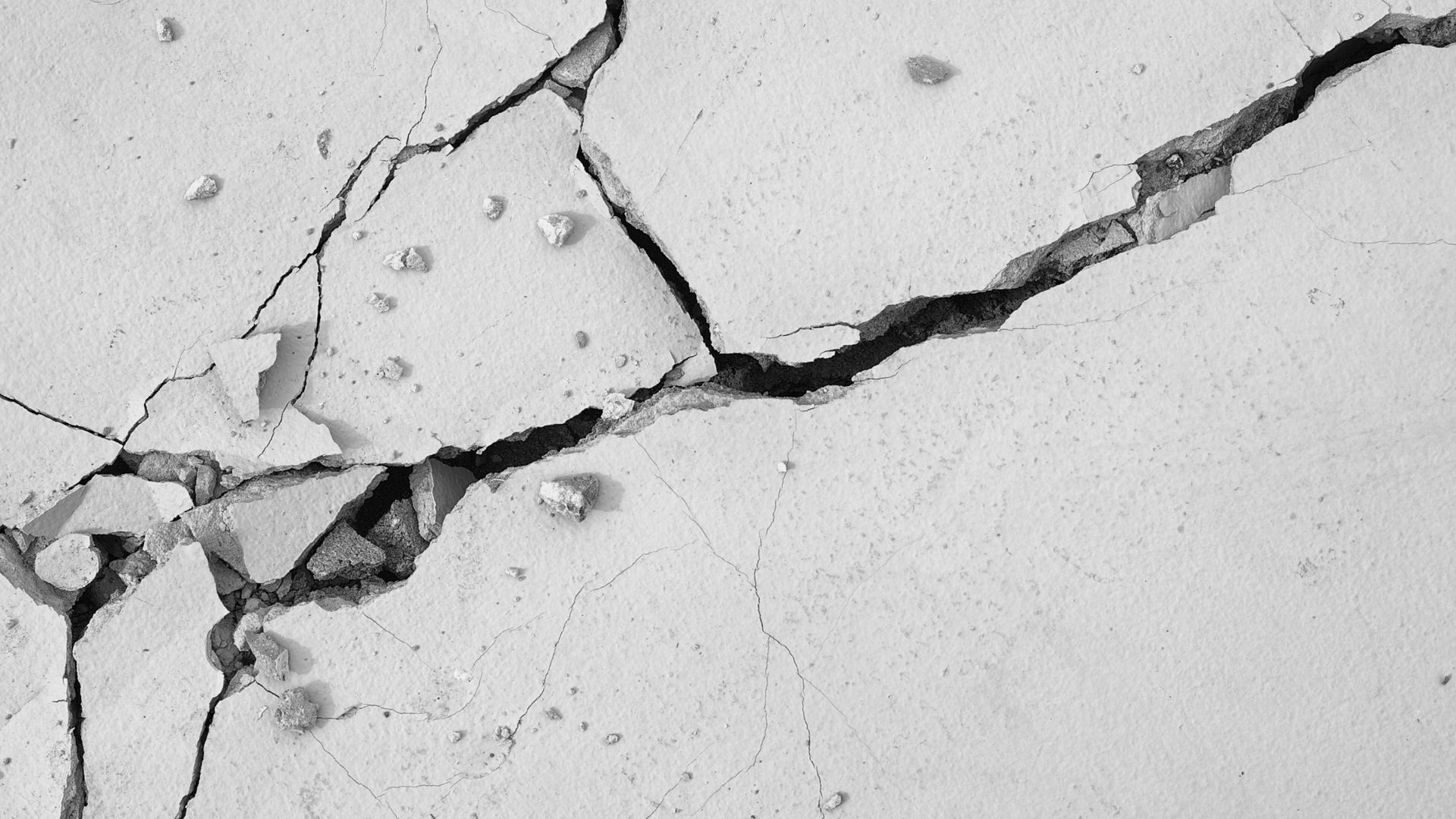
Sometimes the clearest evidence that a garage crack is serious shows up elsewhere in the house. Watch for these red flags alongside the crack:
- Doors or windows that suddenly stick or will not latch, a sign the frame is out of square.
- Floors that slope, or a marble that rolls toward one corner of the garage.
- A visible bulge or curve when you sight down the length of the wall.
- Cracks in interior drywall, or gaps where cabinets and counters meet the wall.
- Water pooling near the wall after rain instead of draining away.
Any of these paired with a widening crack is worth a professional opinion. A foundation specialist can confirm whether the movement is active and recommend a fix, and garage foundation repair done early is far cheaper than waiting until the wall starts to bow or the slab drops.
How to Repair Garage Foundation Wall Cracks
The right repair depends entirely on the size of the crack and whether the foundation is still moving.
Small, Stable Cracks (DIY-Friendly)
Cracks under about 1/4 inch that are not growing and show no offset are usually a simple fix. Clean the crack of debris and let it dry, then fill it. Hairline cracks take a concrete grout or filler, while slightly wider cracks call for a concrete-compatible caulk or sealant. Sealing matters even on harmless cracks, because it keeps out water, soil odors, and gases. Apply, smooth with a putty knife, and let it cure fully.
Structural Cracks (Call a Professional)
Wide, offset, horizontal, or growing cracks need more than a surface patch, because patching ignores the movement causing the damage. Common professional solutions include:
- Epoxy or polyurethane injection, which bonds the crack back together and seals out water. Epoxy locks a stable crack rigid, while polyurethane stays flexible for a crack that still moves.
- Slabjacking or polyjacking, where high-density foam is injected under a sunken slab to lift it back to level.
- Steel or helical piers, driven deep into stable soil to support and stabilize a sinking foundation.
- Carbon fiber straps, which reinforce a bowing wall and stop further inward movement.
A professional matches the method to the cause, so the repair holds instead of reopening a season later.
How to Monitor a Crack
If you are not sure whether a crack is active, track it before you spend money. Mark each end of the crack with a pencil and write the date beside the marks, or line up a tape measure and photograph it with the width noted. Check back every few weeks for a few months. If the crack grows past your marks or widens after heavy rain, the foundation is still moving and it is time to call a professional. If it stays put, you are likely dealing with simple shrinkage.
Garage Cracks and Texas Clay Soil
In Houston and across much of Texas, expansive clay makes garage cracks more common and more worth watching. The clay swells after rain and shrinks in drought, and that constant movement works on garage foundations year-round. Poor drainage makes it worse by feeding water straight to the soil that is already prone to swelling. This is why a crack that might be harmless in a dry, sandy region can signal real movement on a Texas lot, and why keeping water away from the foundation matters even more here.
How to Prevent Garage Foundation Cracks
Most garage foundation problems come back to water and soil, so prevention focuses there:
- Keep gutters clean and extend downspouts well away from the garage, ideally several feet out.
- Grade the soil so it slopes away from the foundation, roughly six inches of drop over the first ten feet.
- Keep soil moisture steady during droughts with a soaker hose around the perimeter so the clay does not shrink and pull away.
- Keep large trees and shrubs at least ten to fifteen feet from the garage.
- Seal small cracks early so water and freeze-thaw cannot widen them.
When to Call Two Brothers Foundation Repair
A hairline crack you can monitor yourself is one thing. A horizontal crack, a stair-step pattern in block, a bowing wall, or a crack that keeps growing is another, and those call for a professional before the damage spreads. Two Brothers Foundation Repair can inspect the crack, confirm whether the foundation is actively moving, and recommend the right repair for your garage and your soil. Catching a structural crack early almost always costs less than waiting until the wall or slab fails.
Final Thoughts
Cracks in your garage foundation wall are common, and most are harmless shrinkage that only needs sealing. The ones that matter announce themselves: they are wide, growing, horizontal, stair-stepped, offset, or paired with sticking doors and bowing walls. Read the direction, check the width, watch for movement, and keep water away from the foundation. When the signs point to a structural problem, a professional inspection is the safest and cheapest next step. Handle the small cracks early and call for help on the serious ones, and your garage foundation will stay sound for the long haul.
Frequently Asked Questions
Are cracks in a garage foundation wall normal?
Yes. Most garages develop thin vertical or hairline cracks from concrete shrinkage as it cures, and these are usually harmless. The cracks to watch are wider than 1/4 inch, growing, horizontal, or stair-stepped.
When should I worry about a garage foundation crack?
Get a professional assessment if the crack is wider than 1/4 inch, one side is higher than the other, it runs horizontally, it follows a stair-step pattern, or it keeps growing or leaks water.
What does a horizontal crack in a garage wall mean?
A horizontal crack usually means hydrostatic pressure from water-saturated soil is pushing inward on the wall. It can lead to bowing and structural failure, so it should be inspected by a professional.
Can I repair a garage foundation crack myself?
Small, stable cracks under about 1/4 inch can be cleaned and sealed with concrete filler or caulk. Wide, offset, horizontal, or growing cracks need a professional, since they signal foundation movement.
Do garage floor cracks mean my foundation is failing?
Often no. Most garage floors are floating slabs poured separately from the foundation, so a floor crack frequently means the slab moved, not the house. Cracks that extend up the wall or pair with other signs are more concerning.
How do I stop garage foundation cracks from coming back?
Control water. Clean gutters, extend downspouts, grade soil away from the foundation, keep soil moisture steady in droughts, keep large trees back, and seal small cracks before they widen.