

Let Two Brothers Stop Your Chimney Pulling Away
Chimney Foundation Repair in Houston, Texas
☼
Is Your Chimney Leaning or Pulling Away From the House?
If the chimney is visibly unstable, keep people away from it
A severely leaning chimney can shed masonry or fail without much warning. Keep people and vehicles clear of the area below it, do not use the fireplace, and get it assessed before anything else. If you believe collapse is imminent, call 911.
A leaning chimney can also damage the flue liner, which creates a carbon monoxide and fire risk. Have the flue checked by a certified chimney professional before you light another fire.
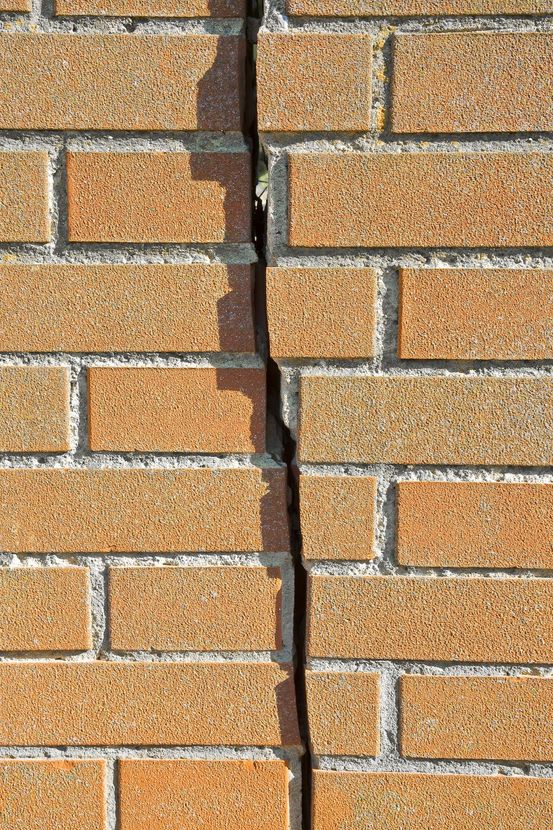
That gap between your chimney and the wall did not appear because the house shifted. It appeared because the chimney and the house are settling at different rates, on separate footings, into the same Houston clay.
Seeing a gap, a lean, or stair-step cracking in the brick? Call 832-710-6957 for a free assessment.
Why Houston Homeowners Call Two Brothers
- 20+ years working in Houston's expansive clay
- A+ BBB accredited and fully insured
- Footing-first diagnosis, not just cosmetic patching
- Free written assessment, no obligation and no pressure
- Licensed structural engineers on the projects that need them
- Honest scope, including when the problem is masonry rather than foundation
Prefer to write? Use the contact form and we will call you back.
Why Chimneys Settle Faster Than the Rest of the House
A masonry chimney is the heaviest thing on most homes by a wide margin, concentrated into a footprint a few feet across. And in most construction it sits on its own footing, poured separately from the house foundation.
So you have two structures, side by side, on the same expansive Houston clay. One is a broad slab spreading its load across a large area. The other is a tall column of brick putting enormous weight through a small footing that is frequently shallower than the house foundation beside it.
They were never going to move at the same rate, and the gap between them is the visible record of that difference.
This is why a chimney can lean noticeably on a house whose main foundation is performing perfectly well. It is also why patching the gap solves nothing. The two structures will keep moving apart until the footing under the chimney is stabilized.
Signs Your Chimney Foundation Is Failing
Chimney settlement gives clear warnings. These are the ones worth acting on rather than watching.
A Gap Between Chimney and Wall
The classic sign. A visible separation opening between the chimney and the siding or brick beside it, often wider at the top than the bottom. Measure it and date it, because whether it grows is what matters.
Free structural assessment ›A Visible Lean
Stand back and sight the chimney against the roofline or a vertical wall edge. Any tilt away from plumb means the footing has rotated or settled unevenly beneath it.
Emergency foundation repair ›Stair-Step Cracks in the Brick
Cracks stepping diagonally through mortar joints on the chimney stack. Same mechanism as stair-step cracking anywhere else on a house: differential movement below.
Cracked foundation repair ›Water Getting In at the Roofline
When a chimney moves, the flashing where it meets the roof is pulled out of position. Leaks and staining around the chimney breast are often the first symptom noticed inside.
Foundation drainage solutions ›Cracks in the Firebox or Hearth
Cracking inside the firebox, or in the hearth where it meets the floor, indicates movement carrying through the whole structure rather than just the visible stack outside.
Concrete slab repair ›A Chimney That Has Been Strapped Before
Straps or braces tying the chimney back to the house tell you somebody addressed the lean without addressing the footing. That is a holding measure, and it means the underlying problem was never solved.
Residential foundation repair ›Seeing any of these? Get it assessed before the next dry season widens it further.
Call 832-710-6957Foundation Problem or Masonry Problem?
Two completely different causes produce chimney damage, and they need different trades. Working out which you have determines who you should be calling.
| What You See | Points to Footing Settlement | Points to Masonry Deterioration |
|---|---|---|
| Overall alignment | Whole stack tilts or pulls away as a unit | Stack stays plumb |
| Crack pattern | Stair-step cracks, wider at one end | Surface crumbling, spalling brick faces |
| Gap at the house | Present and often growing | Usually absent |
| Mortar condition | Mortar intact but joints separated | Mortar soft, sandy, or falling out |
| How it changes | Worsens with wet and dry seasons | Worsens gradually with age and weather |
| Base condition | Footing cracked, settled, or exposed | Footing sound |
| Who repairs it | Foundation contractor, underpinning the footing | Mason, repointing or rebuilding |
Plenty of Houston chimneys have both at once, since a footing that moves cracks masonry, and cracked masonry lets in water that degrades it further. We tell you honestly which is driving it.
Our Chimney Foundation Repair Process
Free On-Site Assessment
We measure the lean and the gap, inspect the footing where it can be reached, take elevation readings on the house beside it, and check whether the main foundation is moving too. Written proposal, no obligation.
Separating Settlement From Masonry Failure
The diagnostic that determines everything. Underpinning a footing will not fix crumbling mortar, and repointing will not stop a settling chimney. Getting this wrong wastes the entire repair.
Checking What Is Driving the Movement
Chimney footings settle for reasons: poor drainage concentrating water at that corner, a downspout discharging beside it, tree roots drawing moisture, or an undersized original footing. See our foundation drainage solutions.
Underpinning the Chimney Footing
Pressed pilings installed beneath the chimney footing to transfer its load to stable bearing, so the structure is supported by something that will not keep moving with the seasons.
Lifting and Stabilizing
Where the chimney can be brought back toward its original position, that is done gradually. Masonry does not tolerate fast movement, and a controlled lift limits further cracking.
Documentation and Follow-Up
We return to confirm the chimney is holding. Engineer sealed completion reports are available where the scope requires them. See our process and the methods we use.
Measure the Gap Before You Call Anyone
Here is something you can do this afternoon that costs nothing and will materially improve any conversation you have about your chimney.
Measure the gap at the top and at the bottom, write both numbers down with today's date, and photograph it with a ruler or coin in frame for scale. Then check again in a month, and after the next serious dry spell.
The reason this matters so much is that a chimney gap on its own tells you very little. Plenty of Houston homes have had a modest, stable separation for twenty years. What changes the picture entirely is whether that gap is growing, and how fast.
A stable gap may be a monitoring situation. A gap that widened measurably over a season is active movement and a different conversation.
It also protects you commercially. A contractor arriving to a documented measurement history has far less room to describe a long-standing condition as an emergency.

Strapping a Chimney to the House Is Not a Repair
There is a common approach to a leaning chimney: bolt straps or braces through the chimney and tie it back to the house framing. It is fast and comparatively cheap.
What it does is stop the chimney moving further away from the house. What it does not do is address why the chimney is sinking, and it achieves the pause by hanging several tons of masonry off the structure beside it.
The footing is still settling. It is simply now dragging on your house frame while it does.
Bracing has a legitimate role as a temporary safety measure while a proper repair is arranged, and there are situations where it is the responsible immediate step. As a permanent solution it transfers a problem rather than solving one.
If someone has quoted you straps as the whole scope, ask what is happening to the footing. That question usually ends the conversation quickly, one way or the other.
Five Myths About Leaning Chimneys
Chimney settlement gets misdiagnosed more often than almost any other foundation issue, because it sits between two trades.
A leaning chimney means the whole house foundation is failing
Usually not. Chimneys sit on their own footing, carry enormous concentrated weight, and often have shallower footings than the house. They can settle badly while the main slab is performing perfectly. It is worth checking the house too, but a leaning chimney is not automatic evidence of wider failure. What settles it: elevation readings across the house, which we take at every assessment.
You can just fill the gap with caulk or mortar
Filling the gap hides the evidence and stops nothing. The chimney continues moving, the filler cracks or is pulled apart within a season, and you have lost the ability to measure how fast the separation is progressing. It is cosmetic work on a structural problem. Worse still: it removes the measurement that tells you how urgent this is.
If it has leaned for years it must be safe
Duration is not stability. Some chimneys settle to a point and stop. Others move slowly for years and then accelerate as the footing loses more bearing. The useful question is not how long it has leaned but whether the lean is still changing, which is why measuring it matters. Also worth knowing: movement can damage the flue liner, which is a safety issue regardless of the lean.
A mason can fix a settling chimney
A mason can rebuild beautiful brickwork on top of a footing that is still sinking, and within a few years it will crack again in the same pattern. Masonry repair addresses the masonry. If the cause is below ground, the footing has to be dealt with first, and that is foundation work. Right order: stabilize the footing, then repair the masonry.
Just take the chimney down, it is cheaper
Sometimes it genuinely is the right call, particularly on a chimney that is no longer used and is badly deteriorated. But removal is not free, it affects the roof and the elevation of the house, and on many older Houston homes the chimney is part of the character that carries value. Worth pricing both before deciding. Consider: removal cost, roof repair, resale impact, and whether the fireplace is used.
What Causes Chimney Footing Settlement in Houston
Chimneys settle for identifiable reasons. Finding yours determines whether the repair holds.
| Cause | What Happens | Typical Clue |
|---|---|---|
| Undersized footing | Original footing too small for the mass above it | Settlement present since early in the home's life |
| Shallow footing | Sits inside the zone where clay swells and shrinks | Movement that tracks the seasons |
| Concentrated roof runoff | Downspout discharging at the chimney corner | Erosion or permanently damp soil at the base |
| Poor drainage at that corner | Water pools and cycles the clay repeatedly | Standing water after rain near the chimney |
| Tree roots nearby | Roots draw moisture, soil shrinks on one side | Lean directed away from a large tree |
| Drought cycling | Clay shrinks in dry spells and removes support | Gap widens noticeably each dry summer |
| Plumbing leak nearby | Saturated soil loses bearing capacity | Sudden movement with no weather explanation |
If a downspout or drainage issue is feeding the problem, correcting it is part of the repair. See gutter and downspout drainage.
What Affects Chimney Foundation Repair Cost in Houston
Chimney underpinning is usually a smaller job than a whole-house repair, but the range is wide because access and scope vary so much.
The main driver is how many piers the footing needs and how reachable it is. A chimney on an open exterior wall with clear working room is straightforward. One boxed in by a patio, a deck, or tight side-yard access is a different proposition.
- Size and weight of the chimney structure
- Number of piers required beneath the footing
- Depth needed to reach stable bearing
- Access around the chimney for excavation and equipment
- Whether hardscaping has to be removed and reinstated
- How much lift is attempted, and how gradually
- Whether drainage correction is part of the scope
- Whether masonry repair is needed afterward
- Whether engineer sealed documentation is required
Worth planning for: if masonry repair is needed after the footing is stabilized, that is normally a separate mason's scope, and it should happen after the structural work rather than before.
Every assessment and written estimate is free. If financing would help, we offer payment plans.
Six Questions to Ask Before You Hire
Chimney work sits between foundation contractors and masons, which is exactly where homeowners get given confident answers from people solving the wrong half.
Is this the footing or the masonry?
The question that decides which trade you need. A contractor who cannot distinguish settlement from mortar deterioration will sell you their own specialty regardless of what is causing it.
Is the lean still moving, and how do you know?
Ask what evidence supports the answer. Measurements, elevation readings, and photographs over time are evidence. An opinion formed in five minutes in the driveway is not.
Did you check the house foundation as well?
Chimney and house move independently, but sometimes both are moving. Elevation readings across the house tell you whether you are dealing with one problem or two.
What is causing the footing to settle?
Drainage, a downspout, roots, or an undersized original footing. Underpinning without correcting a water source that keeps cycling the clay leaves the mechanism running.
Is bracing being proposed as a permanent fix?
Straps are a legitimate temporary safety measure and a poor permanent solution. If the whole quote is bracing, ask directly what happens to the footing.
Has the flue been checked?
Movement can crack a flue liner, which is a carbon monoxide and fire risk independent of the lean. A foundation contractor is not the right person to assess it, but they should tell you to have it done.
We are happy to answer all six on the phone before you book anything.
Call 832-710-6957For Property Managers, Realtors, and Older Homes
A leaning chimney is one of the most visible structural issues on a property, which makes it a recurring problem in inspections, sales negotiations, and board discussions.
Buying or selling? A documented chimney assessment separating footing settlement from cosmetic masonry is often worth more in a negotiation than the repair itself, because it replaces a scary unknown with a defined scope.
Managing property? We provide written assessments suitable for board review and capital planning, including an honest read on what can be monitored and what needs scheduling.
Call 832-710-6957 to Discuss a Property
Residential and Commercial Chimney Foundation Repair
Heavy masonry on a small footing behaves the same way whatever the building. We handle both property types.
Residential
Single family homes and townhomes with leaning or separating chimneys. Where the main structure has moved too, see our residential foundation repair services and concrete slab foundation repair.
Commercial
Converted houses, restaurants, historic buildings, and institutional properties with masonry stacks and chimney structures. See our commercial foundation repair services.
Two Bros Foundation Repair Service Areas
Chimney foundation repair available across the Greater Houston area. Click any location to learn more about our foundation repair services in that area.
- Houston
- Sugar Land
- Katy
- Pearland
- League City
- Spring
- The Woodlands
- Conroe
- Cypress
- Tomball
- Humble
- Kingwood
- Friendswood
- Missouri City
- Pasadena
- Baytown
- Clear Lake
Client Testimonials: What Our Customers Are Saying
Good experience with Two Brothers Foundation repair! The team was very professional and very polite. They answered all my questions, and the working crew did a good job cleaning up the dirt that was dug out. I'd definitely recommend them to anyone asking for a good, reputable foundation repair company!
I had Two Brothers repair my home's foundation back in 2018, and it has had no problems since, now 7 years later. They were quick to answer even now as I look to sell the property and transfer the service. Would recommend to anyone who needs their foundation repaired.
Aaron & Jacob were very professional and walked me through the entire process. They made sure I was informed at each step and made sure they left the work area in an excellent condition when completed. Glad to be back on a level foundation again.
Related Foundation Services in Houston
A settling chimney rarely happens in isolation. These address the causes and the rest of the structure.
Structural Foundation Assessments
Free elevation survey establishing whether the house is moving as well as the chimney.
Learn more ›Porch and Stoop Repair
Porches and steps settle away from the house for the same reason chimneys do: separate footings.
Learn more ›Gutter and Downspout Drainage
A downspout discharging at the chimney corner is a common driver of footing settlement.
Learn more ›Foundation Drainage Solutions
Correcting the water that keeps cycling the clay under the footing.
Learn more ›House Leveling and Lifting
Where the main structure has settled alongside the chimney, pressed pilings restore elevation.
Learn more ›Emergency Foundation Repair
If the lean is worsening quickly or the chimney looks unstable, start here.
Learn more ›Frequently Asked Questions (FAQs)
Still have questions about chimney foundation repair? See some of our frequently asked questions below or contact us today.
Why is my chimney pulling away from the house?
Because it sits on its own footing, separate from the house foundation, and the two are settling at different rates in Houston's expansive clay. A masonry chimney concentrates enormous weight into a small footprint, often on a shallower footing than the house beside it, so it tends to move more. The gap is the visible record of that difference.
Is a leaning chimney dangerous?
It can be. A severely leaning chimney can shed masonry or fail, so keep people and vehicles clear of the area beneath it. Movement can also crack the flue liner, which creates a carbon monoxide and fire risk even where collapse is not a concern. Do not use the fireplace until a certified chimney professional has checked the flue.
Does a leaning chimney mean my whole foundation is failing?
Usually not. Chimneys frequently settle while the main slab performs perfectly well, because of their concentrated weight and separate footing. It is still worth checking, which is why we take elevation readings across the house at every assessment rather than looking only at the chimney.
Can I just fill the gap with caulk or mortar?
Filling the gap is cosmetic and stops nothing. The chimney keeps moving, the filler cracks or pulls apart within a season, and you lose the ability to measure how quickly the separation is progressing. That measurement is one of the most useful pieces of information you have, so we suggest recording it rather than covering it.
Is strapping the chimney to the house a real fix?
As a temporary safety measure while a proper repair is arranged, yes. As a permanent solution, no. Bracing stops the chimney moving further away but does nothing about the settling footing, and it achieves that by hanging several tons of masonry off the house structure. The footing still needs stabilizing.
Do I need a mason or a foundation company?
It depends on the cause. If the whole stack is tilting or pulling away and the footing has settled, that is foundation work and needs underpinning. If the stack is plumb but the brick faces are spalling and the mortar is soft, that is masonry deterioration and needs a mason. Many Houston chimneys have both, in which case the footing is stabilized first and masonry repaired afterward.
How much does chimney foundation repair cost in Houston?
Usually a smaller job than a whole-house repair, but with a wide range. Cost is driven by the size of the chimney, number of piers needed beneath the footing, depth required to reach stable bearing, access for excavation, whether hardscaping must be removed and reinstated, and whether drainage correction or masonry repair is included. Assessments and written estimates are free.
Will insurance cover a leaning chimney in Texas?
Most Texas policies exclude damage from soil movement, settling, and earth movement, which covers the majority of chimney footing settlement. Coverage is more likely where a sudden covered event caused the damage, such as a vehicle impact or a storm. Review your policy, and we can provide written documentation of the condition and likely cause.
Do you offer free chimney assessments?
Yes. We measure the lean and the gap, inspect the footing where it can be reached, take elevation readings on the house, and identify what is driving the movement. You get a written proposal at no cost and no obligation. Call 832-710-6957.
Still have questions?
Still have questions about residential or commercial chimney settlement? Give us a call or fill out the form on our contact page.
Contact us