


Let Two Brothers Lift Your Sinking Porch and Steps
Porch and Stoop Repair in Houston, Texas
☼
Sagging Floors in a Houston Pier and Beam Home?
If your floors bounce, slope, or have a soft spot that was not there a few years ago, the answer is under the house. In a pier and beam home, that means the crawl space.
Crawl space repair is a different craft from slab work. Instead of concrete and soil, you are dealing with piers, girders, beams, and joists, and in Houston's Gulf Coast humidity, wood that has been quietly deteriorating for decades.
Bouncing floors, a sagging room, or doors that stopped closing? Call 832-710-6957 for a free crawl space assessment.
Two Brothers has performed treated wood repair, poured concrete pier replacement, and leveling across Houston for over 20 years. See our full range of residential foundation repair services.
Why Houston Homeowners Call Two Brothers
- 20+ years working on Houston pier and beam homes
- A+ BBB accredited and fully insured
- Treated wood repair and poured concrete pier replacement
- Free written assessment, no obligation and no pressure
- Licensed structural engineers on the projects that need them
- We diagnose before we level, because shimming a rotted beam solves nothing
Prefer to write? Use the contact form and we will call you back.
How a Houston Crawl Space Foundation Works
A pier and beam foundation lifts your house off the ground. Piers carry the load down to the soil, beams and girders span between the piers, joists span between the beams, and your floor sits on top of all of it. The gap underneath is the crawl space.
It is a genuinely good system for this region, which is why so much of the Heights, Montrose, and Houston's older neighborhoods was built this way. It tolerates soil movement better than a slab and it puts the plumbing somewhere you can actually reach.
The trade is that it is built from wood, sitting a few feet above damp Gulf Coast soil, in a humid climate. Slabs fail from soil movement. Crawl spaces fail from soil movement and from what moisture does to timber over decades.
That is why a proper crawl space repair assessment looks at two things at once: whether the supports have moved, and whether the wood is still sound.
Signs Your Crawl Space Needs Repair
Pier and beam problems show up inside the house long before anyone crawls underneath to look.
Floors That Bounce or Feel Springy
The most distinctive pier and beam symptom, and one slabs never produce. Bounce means the joists or beams underneath have lost support, lost strength, or both.
Free structural assessment ›Sloping or Dipping Floors
A room that runs downhill, or a dip you can feel walking across it. Usually a settled pier, a failing beam, or shims that have compressed and let the structure drop.
House leveling and lifting ›Doors and Windows That Stick or Will Not Latch
When the floor structure moves, the walls and frames sitting on it move too. Doors binding in one part of the house often maps directly to a support problem below that area.
Cracked foundation repair ›A Musty Smell Coming From Below
Crawl space air makes its way into the house. A persistent musty odour usually means moisture underneath, and where there is moisture in a Houston crawl space there is usually wood rot developing.
Crawl space encapsulation ›Standing Water or Damp Soil Underneath
Water pooling in the crawl space attacks the wood, softens the soil the piers bear on, and invites pests. It is a drainage problem with structural consequences.
Foundation drainage solutions ›Visible Rot, Insect Damage, or Fallen Shims
If you can get underneath, look at where wood meets pier. Crumbling timber, hollow-sounding beams, or shims lying on the ground are all telling you the load path has failed somewhere.
Residential foundation repair ›Seeing any of these? A free assessment tells you what is actually failing under there.
Call 832-710-6957What Actually Fails in a Houston Crawl Space
Sagging floors get blamed on the foundation. Sometimes it is the foundation, and often it is the wood sitting on it. These are different repairs with very different costs.
| Component | How It Fails | What You Feel Upstairs |
|---|---|---|
| Piers | Settle into soft soil, crack, or were undersized originally | A localized dip or slope over that pier |
| Shims | Compress, rot, slip, or fall out entirely | Gradual drop in one area, often with a creak |
| Girders and beams | Rot at bearing points, split, or sag between piers | A long dip running across several rooms |
| Floor joists | Rot at the ends, insect damage, or undersized spans | Bounce and springiness underfoot |
| Subfloor | Delamination and softening from long-term moisture | Soft or spongy spots, especially near wet areas |
| Sill and bearing points | Wood-to-pier contact deteriorates where damp | Movement concentrated around the perimeter |
| Soil under the piers | Softens with poor drainage, or shrinks in drought | Whole sections moving seasonally |
The reason this matters: leveling a floor supported by a rotted beam puts the problem back where it started within a couple of years.
Our Crawl Space Repair Process
Free On-Site Assessment
Elevation readings across the floors upstairs, then an inspection underneath: piers, shims, beams, joists, bearing points, moisture, and soil condition. You get a written proposal with no obligation.
Separating Settlement From Rot
The critical diagnostic step. A floor can sag because a pier dropped, because a beam has deteriorated, or both. The repair is completely different in each case, and getting this wrong is the most common reason crawl space work fails.
Addressing the Moisture Source
If water is standing under the house or the soil never dries, that is what degraded the wood in the first place. Correcting it is part of the repair, not a separate project. See our foundation drainage solutions.
Replacing Failed Structural Members
Treated wood repair, sistering or replacing joists, replacing rotted girders and beams, and poured concrete pier replacement where the original supports have failed or settled.
Leveling and Support
Once the structure is sound, the house is raised gradually back toward level and supported properly. Gradual matters, because lifting an old Houston home too fast cracks plaster, tile, and trim.
Follow-Up and Documentation
We return to confirm the structure is holding. Engineer sealed completion reports are available where the scope requires them. See our process and the methods we use.
A Sagging Floor Is Not Always a Foundation Problem
This is the single most useful thing to understand before anyone quotes you on crawl space repair in Houston.
When a floor sags in a pier and beam home, there are two very different possible causes. Either the support moved, meaning a pier settled into the soil or a shim compressed. Or the wood failed, meaning a girder, beam, or joist deteriorated and can no longer carry what it used to.
They feel identical when you walk across the room. They are not remotely the same repair.
Jacking and re-shimming a floor whose beam has rotted through will make it level for a season or two. Then the compromised timber continues doing what compromised timber does, and you are back where you started, having paid for a repair that addressed the symptom.
So the first thing we do underneath is establish which one you have, and frequently it is some of both. That determines the scope, the cost, and whether the repair actually lasts.
Shimming Is Not Repair
There is a version of crawl space work in Houston that is quick, cheap, and extremely common: crawl under, drive shims in wherever the floor is low, collect payment, leave.
For a short while it works. The floor comes up, the doors close, the homeowner is happy. Nothing about why the floor dropped has been addressed.
If a pier settled because the soil under it is soft, that soil is still soft. If a beam sagged because it is rotting, it is still rotting. The shim is a spacer holding a failing structure in a temporarily better position.
Shimming has a legitimate place as part of a proper repair, once the supports are sound and the wood is capable of carrying load. Used on its own as the whole scope, it is a way of selling the appearance of a repair.
If someone has quoted you a suspiciously fast, suspiciously cheap crawl space job, ask what they found as the cause. The answer tells you what you are buying.
Five Myths About Crawl Space Repair
Pier and beam homes are a minority of Houston housing stock, so a lot of the advice aimed at homeowners is really slab advice wearing the wrong hat.
Pier and beam foundations are worse than slabs
They are different, not worse. Pier and beam tolerates soil movement better than a slab, keeps plumbing accessible, and can be re-leveled far more easily. The trade is timber in a humid climate. Plenty of Houston's most desirable older housing sits on pier and beam and has done for a century. The real difference: a slab hides its problems, a crawl space lets you go and look.
A bouncy floor just means the house is old
Bounce is a structural signal, not a character trait. It means joists or beams are not carrying load the way they were designed to, whether from deterioration, undersized spans, or lost support underneath. Age explains why it happened. It does not mean nothing is wrong. Worth checking: is it worsening? Compare against how it felt a couple of years ago.
Leveling the floor fixes the problem
Leveling addresses the position of the floor. It does not address why the floor moved. If the cause is rotted wood or soft soil under a pier, the structure will resume moving after the jacks come out. Diagnosis first, leveling last. Ask any contractor: what caused this, and does your scope fix that?
The crawl space is supposed to be damp
Damp is common in Houston crawl spaces. That does not make it correct. Persistent moisture is what rots girders, softens subfloors, feeds mold, and attracts termites. It is the leading reason crawl space structures fail here, and it is manageable. Related: see crawl space encapsulation for moisture control.
Any foundation company can do pier and beam work
Slab repair and crawl space repair share a name and very little else. One is soil mechanics and concrete, the other is structural carpentry in a confined space with rotting timber. Companies that mostly install slab piers sometimes treat crawl space work as an afterthought. Ask directly: how much pier and beam work do you actually do?
Crawl Space Repair Methods
What the work actually involves, depending on what the assessment finds underneath.
| Repair | What It Involves | Used When |
|---|---|---|
| Pier replacement | Removing failed supports and installing poured concrete piers | Original piers cracked, settled, or undersized |
| Additional piers | New supports added to shorten unsupported beam spans | Beams sagging between widely spaced piers |
| Beam and girder replacement | Removing deteriorated timber and installing treated members | Rot, splitting, or long-term sag in main supports |
| Joist repair or sistering | Reinforcing or replacing individual floor joists | Bounce, localized soft spots, end rot at bearings |
| Treated wood repair | Replacing damaged members with treated material | Anywhere wood contacts damp conditions |
| Re-shimming | Resetting bearing points to correct elevation | As part of leveling, once structure is sound |
| Leveling | Gradual controlled lifting back toward level | After supports and timber have been made sound |
| Drainage correction | Removing the water that caused the deterioration | Standing water or permanently damp soil below |
Most jobs combine several of these. The assessment determines which, and the written proposal spells it out before anything starts.
What Affects Crawl Space Repair Cost in Houston
The range on pier and beam work is wider than on slab repair, because two houses with identical symptoms can need entirely different scopes.
The biggest cost driver is how much of the structural timber has to be replaced. Resetting supports under sound wood is a very different job from replacing girders and joists across half the house.
- How much of the floor area is affected
- Whether the cause is settlement, deterioration, or both
- Number of piers replaced or added
- Extent of beam, girder, and joist replacement
- Crawl space height and how workable the access is
- Whether drainage or moisture correction is required
- How much lift is needed and how gradually it must be done
- Whether engineer sealed documentation is required
- Obstructions underneath such as ductwork and plumbing
Access deserves a mention of its own. A tall, dry, open crawl space is straightforward to work in. A low, wet one full of ductwork is slow going, and that shows up in the estimate.
Every assessment and written estimate is free. If financing would help, we offer payment plans.
Six Questions to Ask Before You Hire
Crawl space work happens somewhere you will probably never look. These six questions matter more here than on almost any other job around a house.
Did you go under the house?
An assessment done from inside the living room is not an assessment. Somebody has to physically inspect the piers, beams, joists, and bearing points. Ask what they saw and ask for photos.
Is this settlement or wood deterioration?
The whole diagnosis in one question. If the contractor cannot answer clearly, they cannot design a repair that lasts, because the two problems need different work.
Is your scope more than shimming?
Shims have a place once the structure is sound. As the entire scope, they buy a season or two of level floors. Ask explicitly what is being replaced or supported, not just what is being adjusted.
What is causing the moisture, and does the quote address it?
Wood underneath a Houston home deteriorates because it stays damp. A repair that replaces rotted timber and leaves the water in place is a repair with a countdown on it.
How fast will you lift the house?
Old homes need to come up gradually. A crew in a hurry cracks plaster, tile, and trim on the way to a level floor. Ask about the schedule and what interior damage risk they expect.
How much pier and beam work do you actually do?
Plenty of Houston foundation companies are slab specialists who take crawl space jobs occasionally. That is a different skill set. Ask directly, and ask for recent local examples.
We are happy to answer all six on the phone before you book anything.
Call 832-710-6957For Older Homes, Renovations, and Property Managers
Houston's pier and beam housing stock is concentrated in its older neighborhoods, which means crawl space repair often runs alongside a renovation, a purchase, or a portfolio decision.
Buying or renovating? Get the crawl space assessed before new flooring goes down. Leveling a house after the hardwood is installed is a far worse sequence than doing it before, and it is a common and expensive ordering mistake.
Managing property? We provide written structural assessments suitable for board review, purchase negotiation, and capital planning, including an honest view on what can be monitored versus what needs scheduling now.
Call 832-710-6957 to Discuss a Property
Residential and Commercial Crawl Space Repair
Wherever a structure sits on piers and beams, the same failure modes apply. We handle both property types.
Residential
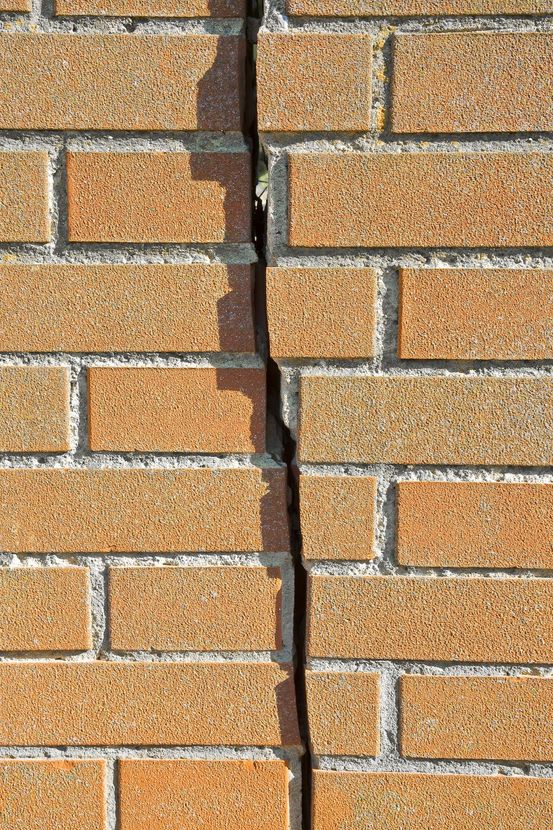
Pier and beam homes, bungalows, raised houses, and additions across Houston's older neighborhoods. See our house leveling and lifting and full residential foundation repair services.
Commercial
Converted houses, small retail, restaurants, and historic buildings on raised foundations where structural timber has deteriorated. See our commercial foundation repair services.
Two Bros Foundation Repair Service Areas
Crawl space repair available across the Greater Houston area. Click any location to learn more about our foundation repair services in that area.
- Houston
- Sugar Land
- Katy
- Pearland
- League City
- Spring
- The Woodlands
- Conroe
- Cypress
- Tomball
- Humble
- Kingwood
- Friendswood
- Missouri City
- Pasadena
- Baytown
- Clear Lake
Client Testimonials: What Our Customers Are Saying
Good experience with Two Brothers Foundation repair! The team was very professional and very polite. They answered all my questions, and the working crew did a good job cleaning up the dirt that was dug out. I'd definitely recommend them to anyone asking for a good, reputable foundation repair company!
I had Two Brothers repair my home's foundation back in 2018, and it has had no problems since, now 7 years later. They were quick to answer even now as I look to sell the property and transfer the service. Would recommend to anyone who needs their foundation repaired.
Aaron & Jacob were very professional and walked me through the entire process. They made sure I was informed at each step and made sure they left the work area in an excellent condition when completed. Glad to be back on a level foundation again.
Related Foundation Services in Houston
Crawl space repair addresses the structure. These handle the conditions that damaged it and the rest of the property.
Crawl Space Encapsulation
Moisture control under the house. Structural repair fixes the damage, encapsulation stops it recurring.
Learn more ›House Leveling and Lifting
Restoring elevation once the supports and structural timber underneath are sound.
Learn more ›Foundation Drainage Solutions
Water under the house is what rots the wood. Correcting drainage is usually part of a lasting repair.
Learn more ›Structural Foundation Assessments
Free elevation survey mapping exactly how far each part of the floor has moved.
Learn more ›French Drain Installation
Where groundwater keeps the crawl space soil saturated, subsurface drainage is the fix.
Learn more ›Porch and Stoop Repair
Porches and steps on older Houston homes settle separately from the main structure.
Learn more ›Frequently Asked Questions (FAQs)
Still have questions about crawl space repair? See some of our frequently asked questions below or contact us today.
Why are my floors bouncy in a pier and beam house?
Bounce means the joists or beams beneath that area are not carrying load as designed. Common causes are joists that have rotted at their bearing points, girders sagging between widely spaced piers, undersized original framing, or supports that have settled and left the timber spanning further than it should. It is a structural signal rather than a normal feature of an older home.
Is a sagging floor a foundation problem or a wood problem?
It can be either, and often it is both. If a pier settled or a shim compressed, the support moved. If a girder, beam, or joist deteriorated, the wood failed. They feel identical upstairs but need completely different repairs. Leveling a floor whose beam has rotted through only lasts until that timber continues failing, which is why diagnosis has to come first.
Is pier and beam worse than a slab foundation?
Different rather than worse. Pier and beam tolerates soil movement better, keeps plumbing accessible, and can be re-leveled far more easily than a slab. The trade-off is structural timber in a humid Gulf Coast climate, which needs moisture managed. Much of Houston's most desirable older housing sits on pier and beam and has for a century.
How long does crawl space repair take?
It depends heavily on scope. Resetting supports under sound timber is relatively quick. Replacing girders and joists across a large area takes considerably longer, and leveling an older home should be done gradually rather than rushed. Your written proposal includes a timeline for your specific property.
Can I stay in the house during the work?
In most cases yes, since the work happens underneath rather than in your living space. There is noise and some vibration, and during leveling you may notice doors and windows shifting as the structure comes back toward level. We will tell you at the assessment if anything about your specific job changes that.
Will leveling my house crack the walls?
Some cosmetic movement is possible, particularly in older homes with plaster, tile, or rigid finishes. That risk is managed by lifting gradually rather than quickly, which is why a crew in a hurry is a warning sign. We discuss the realistic expectation for your home before starting rather than afterward.
How much does crawl space repair cost in Houston?
The range is wide because scopes vary enormously. The main drivers are how much structural timber must be replaced, the number of piers replaced or added, affected floor area, crawl space access and height, whether moisture correction is needed, and how much lift is required. We do not publish flat pricing because two homes with identical symptoms can need very different work. Assessments are free.
Should I repair the crawl space before renovating?
Yes, and this is a common and costly ordering mistake. Leveling a house moves the floor, so new hardwood, tile, or cabinetry installed beforehand can be damaged or thrown out of alignment. Structural work first, finishes second, is always the cheaper sequence.
Do you offer free crawl space assessments?
Yes. We take elevation readings across the floors, inspect underneath, and identify whether you are dealing with settlement, wood deterioration, moisture, or a combination. You get a written proposal at no cost and no obligation. Call 832-710-6957.
Still have questions?
Still have questions about residential or commercial crawl space repair? Give us a call or fill out the form on our contact page.
Contact us