


Let Two Brothers Move Water Away From Your Foundation
French Drain Installation in Houston, Texas
☼
Standing Water in Your Yard After Every Houston Rain?
A yard that holds water for days is not just an inconvenience. It is a slow, repeating soil moisture cycle running right next to the structure your house sits on.
Yard drainage systems handle water on the surface: where it lands, where it runs, and where it collects. That is a different problem from subsurface water in saturated soil, which is what a french drain is built for. Plenty of Houston properties need one and not the other.
Puddles that outlast the storm, a soggy lawn, or water running toward the house? Call 832-710-6957 for a free on-site assessment.
Yard drainage is part of our wider foundation drainage solutions. If water has already moved your foundation, see our residential foundation repair services.
Why Houston Homeowners Call Two Brothers
- 20+ years working in Houston's expansive clay
- A+ BBB accredited and fully insured
- We start with grade, not with selling you a system
- Free written assessment, no obligation and no pressure
- Licensed structural engineers on the projects that need them
- Honest scope, including when the cheapest fix is the right one
Prefer to write? Use the contact form and we will call you back.
How Long Should Water Sit in a Houston Yard?
This is the question that actually tells you whether you have a drainage problem, and it has a usable answer.
Houston sits on heavy clay that drains slowly by nature. Puddles during and immediately after a storm are normal and not a sign of anything wrong. What matters is what is still there afterward.
As a working rule, standing water that is still present roughly 24 to 48 hours after the rain has stopped is telling you the water has nowhere to go. That is a drainage problem, not a weather event.
The reason it matters to a foundation company is what happens in that time. Every extra day of saturation is another day of clay swelling beside your slab, and every dry spell afterward is that same clay shrinking back. It is the repetition that damages foundations, not any single storm.
Signs You Need a Yard Drainage System
Surface water problems announce themselves clearly. These are the ones worth acting on before they reach the foundation.
Puddles That Outlast the Storm
Water still standing a day or two after the rain stopped. The classic sign that surface water has no route off the property and is soaking downward instead.
Foundation drainage solutions ›Water Running Toward the House
Negative grade, often created years after construction by added beds, new patios, or settled soil. Every storm delivers water to the foundation rather than away from it, and regrading usually fixes it.
Free structural assessment ›A Lawn That Stays Spongy for Days
Ground that squelches underfoot long after a storm means the soil is saturated to capacity. Grass drowns in permanently wet soil, which is why these areas often go bare or patchy.
French drain installation ›Water Pooling on the Driveway or Patio
Flatwork that holds water was either poured without fall or has settled since. Beyond the nuisance, that water works into the joints and the soil beneath the slab.
Driveway and patio repair ›Erosion, Washed Mulch, or Exposed Roots
Visible channels, mulch relocated after every storm, or soil washing away from beds. That is concentrated surface flow, and it shows you exactly the path water is taking across your property.
Retaining wall repair ›Your Neighbour's Water Arriving on Your Lot
Common on tight Houston lots and newer subdivisions where grading sends sheet flow across property lines. You cannot control what arrives, but you can control where it goes once it does.
Commercial foundation repair ›Recognise two or more? An assessment tells you which fix your property actually needs.
Call 832-710-6957Which Yard Drainage Solution Do You Actually Need?
Yard drainage is not one product. Match the symptom to the right fix, because installing the wrong one is how homeowners end up paying twice.
| Solution | What It Does | Right When |
|---|---|---|
| Regrading | Reshapes the surface so water runs away from the structure | Ground slopes toward the house. Often the cheapest real fix |
| Swale | A shallow shaped channel that routes surface flow along a set path | Water crosses the property and needs directing, not collecting |
| Catch basin | A grated box that collects water at a low point and pipes it away | One persistent puddle in a defined low spot |
| Channel or trench drain | A long linear grate that intercepts sheet flow across a hard surface | Driveways, patios, garage aprons, walkways |
| Downspout tie-in | Carries roof water underground to a discharge point | Roof runoff dumping beside the foundation |
| Dry well | A buried void that holds water and releases it slowly | Flat lots with no viable outlet for the volume |
| French drain | Collects subsurface water out of saturated soil | The soil is wet below grade, not just the surface |
Roof water is its own topic. See gutter and downspout drainage, and for subsurface water see french drain installation.
Our Yard Drainage Installation Process
Free On-Site Assessment
We walk the property and read the grade: where water lands, the path it takes, where it collects, and whether any of it is arriving from off the lot. You get a written proposal with no obligation.
Checking the Grade Before Anything Else
A surprising number of Houston drainage problems are a grading problem wearing a drainage problem costume. If reshaping the surface solves it, that is what we will recommend, even though it is the smaller job.
Establishing Where the Water Will Go
Surface drainage still needs somewhere to discharge. On flat lots this determines the whole design, so we settle it before specifying basins, channels, or pipe runs.
Designing the System
Collection points where water actually pools, routing with continuous fall, and pipe sized for Houston rainfall rather than a light shower. Undersized systems back up in exactly the storms that matter.
Installation and Restoration
Excavation, basins and channels set to correct elevation, pipe laid to slope, then backfill and surface restoration. Where negative grade was the root cause, regrading is part of the work.
Testing and Follow-Up
We flow test before leaving and check performance afterward. If foundation movement is part of the picture, see our process for how the structural side is handled.
Start With the Grade, Not With a System
Here is the advice that costs us money and is still the right advice.
A meaningful share of Houston yard drainage problems are not a missing drainage system. They are ground that slopes the wrong way. Homes are built with fall away from the foundation, and then over twenty years flower beds get added, patios go in, mulch is topped up every spring, and soil settles along the foundation line. Eventually the ground tips back toward the house.
When that happens, no catch basin fixes it properly, because water is being delivered to the foundation before it ever reaches a collection point.
Regrading is usually the cheapest fix on the list and the one contractors are least likely to lead with, because it sells no product. We check grade first on every assessment, and where reshaping the surface solves the problem, that is what goes in the proposal.
Sometimes the honest answer really is that you do not need a system.

The Flat Lot Problem Nobody Warns You About
Drainage works by gravity. Houston is flat. Those two facts collide on a lot of properties here, and it is the reason plenty of installed drainage systems never performed.
A catch basin only works if there is somewhere lower for the water to reach. On a flat lot, the difference in elevation between the puddle in your yard and the nearest viable outlet can be a matter of inches across a hundred feet of run. Get that wrong and the pipe holds water instead of moving it.
So we establish the discharge point and confirm there is workable fall to it before designing anything. Where gravity genuinely will not do the job, the honest options are a dry well, a pumped system, or accepting that some water will linger and managing where it lingers.
What you will not get from us is a system installed with no realistic outlet. If your lot cannot drain the way you are hoping, you will hear that at the assessment rather than after the invoice.
Five Myths About Yard Drainage in Houston
Drainage is sold on urgency and guesswork more than most trades, partly because the work disappears underground the day it is finished.
A french drain is the answer to every drainage problem
It has become the default recommendation in Houston regardless of the actual symptom. But a french drain collects subsurface water. If your problem is sheet flow running across a patio, or ground sloping toward the house, a buried perforated pipe is not the tool. Matching the fix to the symptom matters more than the brand of solution. Ask first: is the water on the surface, or in the soil?
Puddles after rain mean you have a drainage problem
Not on their own. Houston clay drains slowly and standing water during and just after a storm is completely normal. The diagnostic is duration, not presence. Water still sitting a day or two later is the signal, and anyone quoting a system without asking how long it stays is guessing. Do this: photograph the puddle and check the same spot 48 hours later.
Yard drainage is landscaping, not foundation work
It is landscaping when the goal is a green lawn. It is foundation work when the water in question is cycling the clay beside your slab twice a year. Same trench, entirely different design priorities, and the difference shows up in where the water is intercepted relative to the structure. The tell: does the design address water near the foundation, or only the low point of the lawn?
More drains means better drainage
Extra collection points do nothing if the outlet cannot carry the volume or there is no fall to reach it. A single correctly placed basin with proper slope outperforms five basins feeding a pipe that runs level. The bottleneck is almost always the discharge, not the number of inlets. Where the money should go: slope and outlet, before inlets.
You can just send the water next door
Beyond being a fast way to fall out with a neighbour, redirecting concentrated flow onto an adjoining property can create liability, and discharging into a public right of way or storm system may have local requirements. Drainage design has to consider where water ends up, not only that it left your lawn. Worth confirming: ask any contractor where the discharge legally goes.
Why Yard Drainage Systems Fail
A well designed system runs for decades with minimal attention. These are the reasons the others stop working, and each one traces back to a decision made at installation.
| Failure | What Went Wrong | What You Notice |
|---|---|---|
| No fall to the outlet | Slope never verified on a flat lot before installation | Never worked properly from the first storm |
| Undersized pipe | Specified for light rain, not Houston downpours | Works in drizzle, overwhelmed in real storms |
| Basin set too high | Grate above the level water actually reaches | Puddle sits beside a perfectly clean drain |
| Grade never corrected | System installed while ground still slopes to the house | Yard improves, foundation still gets the water |
| Blocked grates | Leaves and debris with no maintenance access | Backs up in heavy rain, clears when cleaned |
| Buried or crushed outlet | Outlet covered by later landscaping or driven over | Sudden decline after yard work |
| Wrong solution chosen | Subsurface drain installed for a surface problem | Expensive system, unchanged puddle |
| Roof water ignored | Downspouts still discharging beside the foundation | Yard drains fine, soil at the slab stays wet |
Inherited a system that never worked? We assess existing drainage as well as installing new.
What Affects Yard Drainage Cost in Houston
Yard drainage covers everything from an afternoon of regrading to a full collection and discharge system. The range is wide because the scope is wide.
The biggest cost driver is usually not the drains themselves. It is how far the water has to travel to reach a viable outlet, and whether gravity can carry it there. A basin ten feet from a workable discharge and a basin ninety feet from one are very different jobs.
- Which solution the property actually needs, from regrading up to a full system
- Total length of pipe run and distance to the discharge point
- Whether workable fall exists, or a dry well or pump is required
- Number of collection points, basins, and channel drains
- Hard surfaces crossed, such as driveways, patios, and walkways
- Site access for equipment, which is limited on tight lots
- Roots, buried utilities, and existing irrigation to work around
- Regrading and surface restoration included in the scope
- Whether roof runoff is being tied in at the same time
We do not publish flat pricing, because quoting a yard we have not walked would be guessing. Every assessment and written estimate is free. If financing would help, we offer payment plans.
Six Questions to Ask Before You Hire a Drainage Contractor
Drainage work is buried the moment it is finished, which makes it easy to sell and easy to do badly. These six questions surface the difference before you commit.
Have you checked the grade around the house?
If ground slopes toward the foundation, that is the first thing to correct. A contractor who skips straight to selling a system without reading the grade has skipped the diagnosis.
Where exactly will the water discharge?
Ask for the specific outlet before discussing price. On a flat Houston lot this is the entire design problem, and a vague answer means it has not been solved.
Is there enough fall to get there?
Gravity does the work. If nobody has confirmed there is workable elevation drop from the collection point to the outlet, the system is being installed on hope.
Is this sized for a Houston storm?
Systems specified for average rainfall get overwhelmed in exactly the downpours that cause damage. Ask what the pipe and inlets are sized to handle.
Does this protect the foundation or just the lawn?
Both are legitimate goals and they produce different designs. Make sure the contractor knows which one you are buying and that the layout reflects it.
What about the roof water?
Yard drainage that ignores downspouts leaves a large volume of concentrated water still landing beside the foundation. A complete plan accounts for roof runoff too.
We are happy to answer all six on the phone before you book anything.
Call 832-710-6957For HOAs, Property Managers, and Builders
On managed property, standing water is rarely just a landscaping line item. It is a slip hazard, a mosquito complaint, a dead turf replacement cost, and eventually a structural repair on somebody's capital budget.
We provide written drainage assessments suitable for board review and budget planning, covering what is failing, what it will affect, and what can reasonably be deferred to a later cycle.
For builders and general contractors, we handle surface water management on properties where site drainage was never designed correctly in the first place.
Call 832-710-6957 to Discuss a Property
Residential and Commercial Yard Drainage Systems
Surface water that is not managed becomes soil movement, and soil movement becomes structural damage. We handle both property types.
Residential
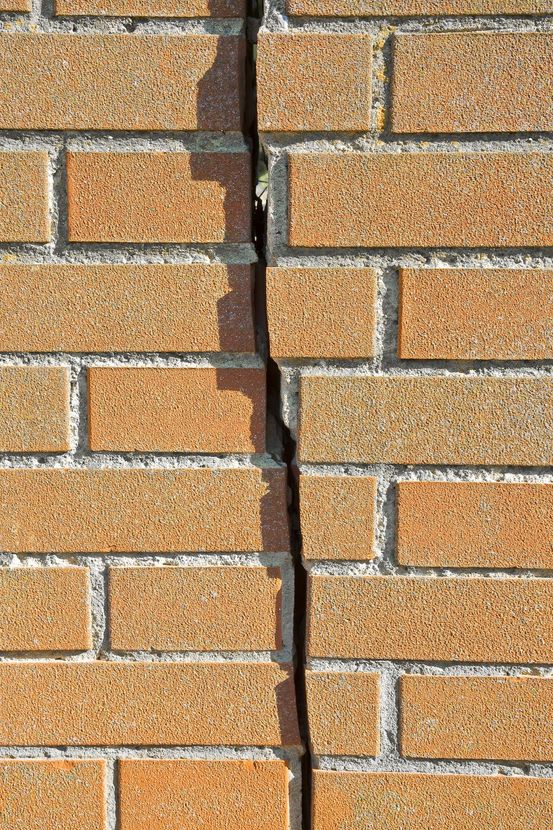
Single family homes and townhomes with standing water, negative grade, or erosion. Where the movement has already reached the structure, see our concrete slab foundation repair and house leveling and lifting.
Commercial
Apartment complexes, retail sites, restaurants, and institutional properties where pooling water creates structural risk and liability at once. See our commercial foundation repair services.
Two Bros Foundation Repair Service Areas
Yard drainage systems available across the Greater Houston area. Click any location to learn more about our foundation repair services in that area.
- Houston
- Sugar Land
- Katy
- Pearland
- League City
- Spring
- The Woodlands
- Conroe
- Cypress
- Tomball
- Humble
- Kingwood
- Friendswood
- Missouri City
- Pasadena
- Baytown
- Clear Lake
Client Testimonials: What Our Customers Are Saying
Good experience with Two Brothers Foundation repair! The team was very professional and very polite. They answered all my questions, and the working crew did a good job cleaning up the dirt that was dug out. I'd definitely recommend them to anyone asking for a good, reputable foundation repair company!
I had Two Brothers repair my home's foundation back in 2018, and it has had no problems since, now 7 years later. They were quick to answer even now as I look to sell the property and transfer the service. Would recommend to anyone who needs their foundation repaired.
Aaron & Jacob were very professional and walked me through the entire process. They made sure I was informed at each step and made sure they left the work area in an excellent condition when completed. Glad to be back on a level foundation again.
Related Foundation Services in Houston
Surface water is one part of the picture. These handle the rest of it and the damage water causes.
French Drain Installation
For water in the soil rather than on the surface. Different depth, different purpose, often paired with yard drainage.
Learn more ›Gutter and Downspout Drainage
Roof runoff is the largest concentrated volume hitting your property. Managing it is often the fastest win.
Learn more ›Foundation Drainage Solutions
The complete picture of how water is managed around your foundation, of which yard drainage is one part.
Learn more ›Structural Foundation Assessments
Free elevation survey showing whether years of pooling water have already moved your foundation.
Learn more ›Retaining Wall Repair
Failed drainage behind a retaining wall is the most common reason those walls lean, bulge, and crack.
Learn more ›Driveway and Patio Repair
Flatwork that holds water was poured without fall or has settled. Both are fixable alongside drainage work.
Learn more ›Frequently Asked Questions (FAQs)
Still have questions about yard drainage systems? See some of our frequently asked questions below or contact us today.
How long should water stand in my yard after rain?
Puddles during and immediately after a storm are normal in Houston, because clay drains slowly. As a working rule, water still standing roughly 24 to 48 hours after the rain stopped indicates it has nowhere to go, which is a drainage problem rather than a weather event. Duration is the diagnostic, not the presence of water.
What is the difference between yard drainage and a french drain?
Yard drainage manages water on the surface, using grading, swales, catch basins, and channel drains to collect and route it. A french drain works below ground, pulling water out of saturated soil through a perforated pipe in a gravel trench. Surface problem, surface solution. Soil that stays wet below grade calls for the subsurface approach, and some properties need both.
Can regrading alone fix my drainage problem?
Often, yes. A large share of Houston drainage complaints come down to ground that slopes toward the house after years of added beds, patios, mulch, and settling. Where reshaping the surface restores fall away from the foundation, that is the cheapest genuine fix available and no collection system is needed. We check grade before recommending anything else.
My yard is completely flat. Can drainage even work?
Sometimes, and sometimes not in the way people hope. Drainage relies on gravity, so there has to be workable fall from the collection point to an outlet. On very flat lots the options are a longer run to reach a viable discharge, a dry well that holds and releases water slowly, or a pumped system. We establish this before designing, and we will tell you if your lot cannot drain the way you are expecting.
Does yard drainage really protect my foundation?
It does when it is designed to. Houston clay swells when saturated and shrinks when dry, and it is that repeated cycle that moves foundations. Removing standing water near the structure reduces the extremes. A system routed only through the low point of a lawn may dry the yard while leaving the soil beside the slab cycling as before.
How much does a yard drainage system cost in Houston?
It depends heavily on scope, which ranges from regrading to a full collection and discharge system. The main drivers are distance to a viable outlet, whether gravity can reach it, number of collection points, hard surfaces crossed, site access, and restoration. We do not publish flat pricing because quoting a yard we have not walked would be guessing. Assessments and written estimates are free.
Can I drain water onto my neighbour's property?
Redirecting concentrated flow onto an adjoining property is a common source of disputes and can create liability, and discharging into a public right of way or storm system may carry local requirements. A drainage design has to account for where water ultimately ends up, not simply that it left your lawn. We factor this into the discharge plan.
Should I fix drainage before or after foundation repair?
Ideally together, and drainage should never be skipped. Repairing a foundation while water continues to cycle the soil around it means repeating the same conditions that caused the movement. Where both are needed we sequence them so the water is managed as part of the repair rather than as a separate project later.
Do you offer free yard drainage assessments?
Yes. We walk the property, read the grade, identify where water collects and where it arrives from, establish whether a workable discharge point exists, and check whether the foundation has already responded. You get a written proposal at no cost and no obligation. Call 832-710-6957.
Still have questions?
Still have questions about residential or commercial drainage? Give us a call or fill out the form on our contact page.
Contact us