

Soil Types in Texas and What They Mean for Your Foundation
Soil types in Texas are among the most varied and challenging in the entire country, and if you own a home here, that variety has a direct impact on your foundation. From the dense clay soils of Houston to the sandy loams of East Texas and the rocky terrain of the Hill Country, every region behaves differently beneath your slab or piers. Understanding what kind of soil sits under your home is one of the most important steps toward protecting your investment for the long term. Texas homeowners often assume that foundation problems are simply bad luck, but in most cases, the real cause is the ground itself. The soil type in your neighborhood determines how much your foundation moves with the seasons, how quickly moisture drains away from the slab, and how much structural support exists beneath your home. If you have ever wondered why your neighbor needed foundation repairs while your home stayed level, the answer often starts underground. Before we dig into the details, homeowners dealing with drainage issues should also read our guide on landscaping around your house to prevent water damage, because soil type and water management are deeply connected problems.
Why Soil Type Matters So Much in Texas
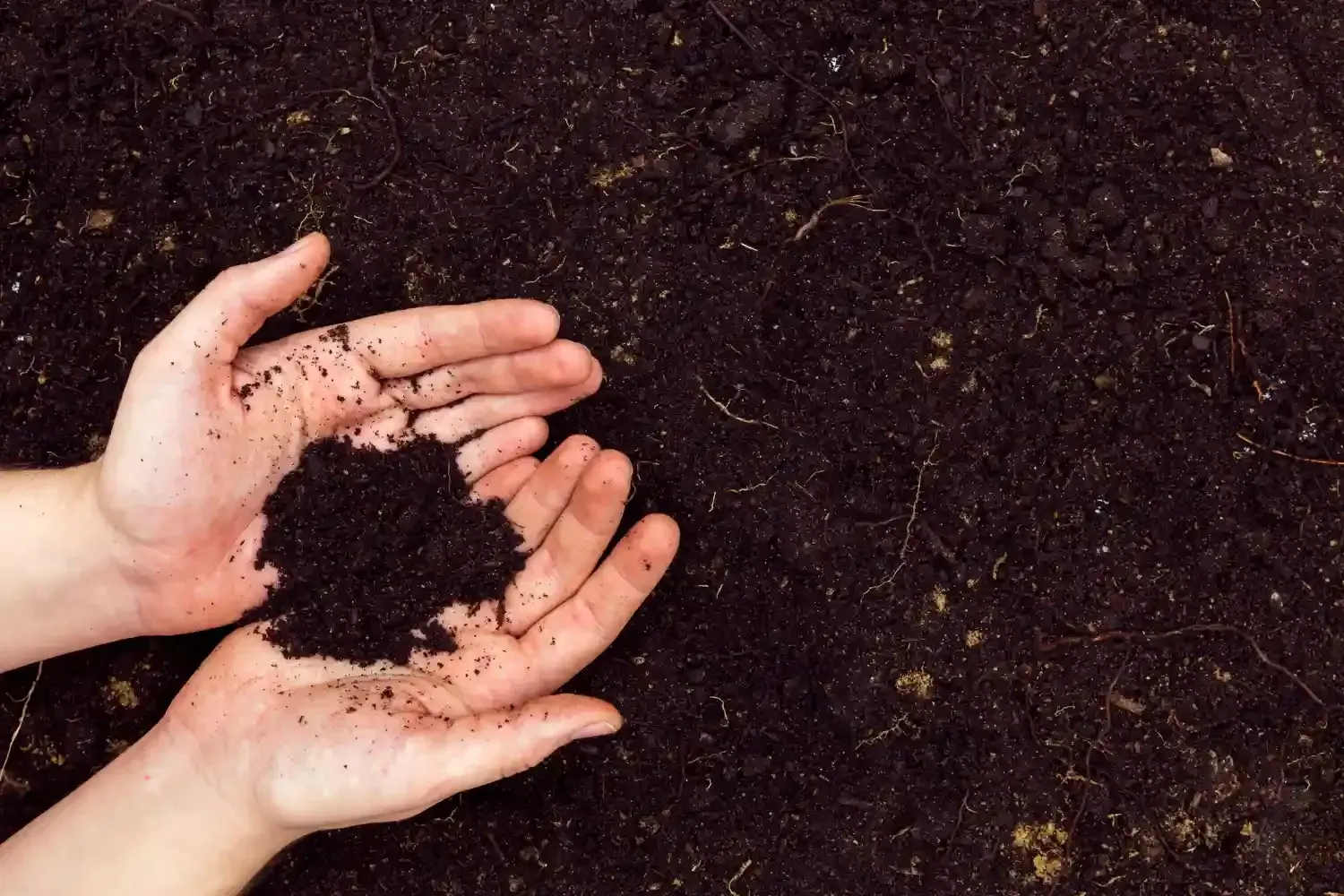
Texas covers more than 268,000 square miles, and within that vast space sits an extraordinary range of geological conditions. The state has over 1,300 different soil series recognized by the USDA, making it one of the most geologically complex states in the nation. That complexity matters because your foundation does not sit on concrete alone. It sits on soil, and soil moves.
When soil expands, contracts, shifts, or erodes, it puts stress on whatever is built above it. A foundation that was installed perfectly level on the day it was poured can begin to sink, tilt, or crack years later simply because the soil underneath it changed. Seasonal rainfall, extended drought, tree roots, poor grading, and inadequate drainage all accelerate that process. For Texas homeowners, these are not rare or unusual events. They are part of everyday life across much of the state, and understanding your local soil profile is the first line of defense against costly structural damage.
The Major Soil Types in Texas
Expansive Clay Soil
This is the most foundation-damaging soil type in Texas, and it is extremely common across the Gulf Coast region, the Blackland Prairie, and the Dallas-Fort Worth corridor. Clay soils absorb water and swell, sometimes significantly, during wet seasons. During dry spells, they shrink and pull away from the foundation. This repeated cycle of expansion and contraction is the single leading cause of slab foundation damage in Texas homes.
Houston sits squarely on top of heavy Beaumont clay, which is why foundation movement is so widespread across Harris County and the surrounding region. Homeowners often notice sticking doors, diagonal cracks in drywall, and uneven floors as early warning signs that the soil beneath the slab is shifting. The frustrating part is that these symptoms often appear gradually, making it easy to dismiss them until the damage becomes more serious.
Sandy Loam Soil
Found across much of East Texas and portions of South Texas, sandy loam is a looser, more permeable soil that drains water quickly. While it does not swell and shrink the way clay does, sandy loam presents its own foundation challenges. It can erode beneath the slab when water flows under the foundation, creating voids that leave the concrete unsupported. It also provides less natural bearing capacity than denser soil types. Homes built on sandy loam may experience gradual sinking or settlement over time, particularly if drainage around the home is not properly managed.
Silty Soil
Silty soil is found in areas near rivers and floodplains, including portions of the Brazos River basin, the Trinity River corridor, and other low-lying regions across the state. It holds moisture longer than sandy loam but does not swell as dramatically as clay. The primary concern with silt is that it compacts under sustained pressure and becomes unstable when fully saturated. Homes built on silty soil in flood-prone areas face a higher risk of foundation settlement and long-term structural movement, especially after major storm events or prolonged periods of wet weather.
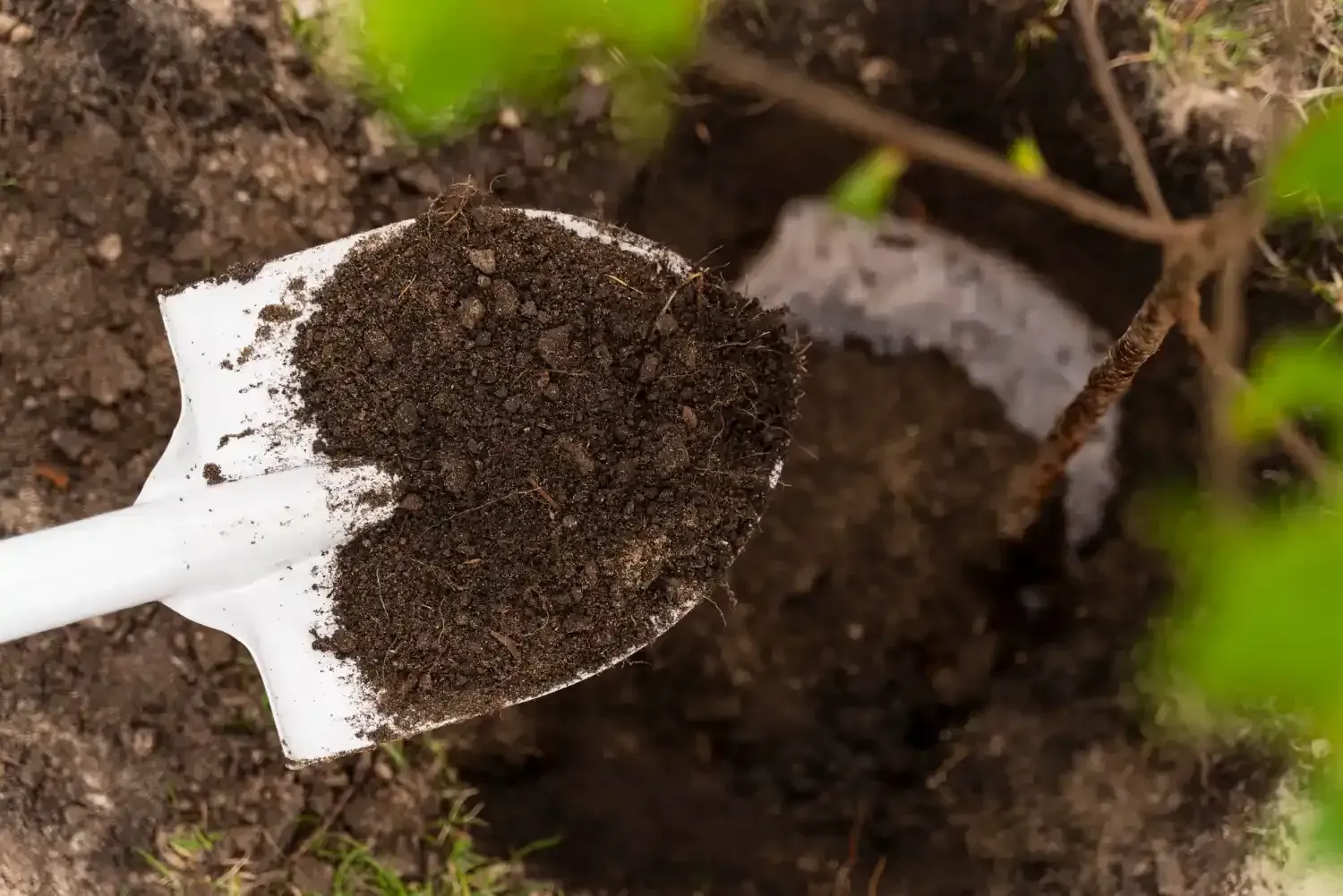
Rocky and Caliche Soil
In Central Texas and the Hill Country, the soil profile often includes caliche, a dense calcium carbonate layer that can be extremely hard and difficult to excavate. While rock and caliche provide solid bearing capacity for foundations, they create challenges for construction crews and can cause serious drainage problems. Water that cannot penetrate a caliche layer tends to pool at the surface or flow laterally along the hardpan, which leads to soil erosion in adjacent areas and concentrated moisture pressure against foundation edges. Builders working in these regions must carefully evaluate how water moves across and through the soil before placing a foundation.
Loamy Soil
Considered the most structurally balanced soil type for construction, loamy soil combines sand, silt, and clay in roughly equal proportions. It drains well, retains enough moisture to remain stable, and provides good support for foundations. Certain areas of North Texas and parts of Central Texas have pockets of well-balanced loamy soil, and homes built on it tend to experience fewer foundation-related problems over time. That said, even loamy soil can become unstable when drainage is poor, when the soil profile is disturbed during construction, or when large tree roots begin drawing moisture unevenly from one side of the foundation.
How Houston's Clay Soil Creates Unique Foundation Risks
Houston's dominant soil type is Beaumont clay, a dense and highly expansive material that sits just below the surface across most of Harris County and many surrounding communities. When the rainy season arrives, this clay absorbs water and swells upward and outward, creating uplift pressure beneath concrete slabs. When the dry summer months set in, the clay contracts significantly and pulls away from the foundation, leaving voids in the soil that the slab can sink into unevenly.
This cycle does not happen once and stop. It repeats every year, and each cycle adds cumulative stress to the concrete and any pier systems installed beneath the home. Over time, slabs crack along stress lines, piers settle unevenly, and the structural integrity of the home is gradually compromised. This is why Texas, and Houston in particular, has one of the highest rates of foundation repair activity in the entire country. It is not a reflection of poor construction in most cases. It is a direct result of the soil.
If you are already noticing movement around your home's base, our residential foundation repair services are designed specifically for Houston's challenging clay soil conditions. Whether your slab has settled, cracked, or shifted out of level, the right repair strategy begins with a thorough understanding of what the soil is doing beneath your home.
Warning Signs That Soil Movement Is Affecting Your Foundation
No matter which soil type sits beneath your home, the warning signs of foundation trouble tend to look similar. Watch for cracks in interior drywall, especially diagonal cracks near door frames and window corners. Pay close attention to doors and windows that stick, drag, or no longer close properly in their frames. Look for gaps developing between your walls and the ceiling, or between your flooring and the baseboards. Uneven or noticeably sloping floors are another serious red flag, as is visible cracking along exterior brick, mortar joints, or the foundation itself.
These symptoms do not always appear overnight. Foundation movement caused by soil shifting often develops gradually over months or even years, which is why periodic inspection is a smart habit for any Texas homeowner, regardless of how new or old the home may be.
What You Can Do to Protect Your Foundation
Understanding your local soil type is the first step, but protecting your foundation requires consistent, proactive maintenance throughout the year. Maintaining even moisture levels around the perimeter of your home is one of the most effective strategies available to homeowners in clay soil regions. Sudden heavy rain followed by long dry periods accelerates the shrink-swell cycle dramatically, so using soaker hoses around the foundation perimeter during extended dry spells can help keep the soil stable and reduce stress on the slab.
Proper drainage is equally critical to long-term foundation health. Water must always flow away from the foundation, never toward it. Gutters, downspouts, and proper yard grading all play a direct role in keeping excess moisture away from the slab and preventing soil saturation near the edges of the foundation. Tree root management is another consideration, particularly for homes in Houston and surrounding areas where large hardwood trees are common. Roots from oaks, magnolias, and other large species can draw moisture aggressively from the soil near the foundation, causing localized shrinkage and uneven settlement on one side of the home.
When to Call a Professional
If you are seeing any of the warning signs described in this post, or if your home is located in a region known for challenging soil conditions, it is time to get a professional evaluation. Soil conditions across Texas make it genuinely difficult for homeowners to assess foundation problems accurately without the proper tools and training. A licensed foundation inspector can identify the root cause of any movement, determine which repair method is most appropriate for your specific soil profile and foundation type, and provide a clear path forward before the damage worsens and becomes more expensive to address.
At Two Brothers Foundation Repair, we have spent more than 20 years working with Houston's unique clay soil conditions and the specific foundation challenges they create. We offer free inspections with no obligation, transparent and detailed estimates, and a lifetime transferable warranty on all completed repairs. If you have concerns about your home's foundation, do not wait for the problem to grow. Contact our team today and let us take a look.