

Landscaping Around House to Prevent Water: Complete Houston Homeowner’s Guide
Water damage is one of the most costly problems Houston homeowners face. Between intense summer thunderstorms, hurricane season downpours, and the region’s notoriously poor drainage, managing water around your property is essential for protecting your foundation and preventing expensive repairs.
Strategic landscaping around the house to prevent water damage is one of the most effective defenses you have. Proper landscaping doesn’t just enhance your home’s curb appeal. It acts as a critical barrier against water intrusion, foundation damage, and soil erosion.
In this guide, we’ll explore proven landscaping techniques specifically designed for Houston’s unique climate and soil conditions.

Why Landscaping Matters for Water Prevention in Houston
Houston’s combination of clay soil, heavy rainfall, and flat terrain creates perfect conditions for water related foundation problems. The city receives an average of 50 inches of rain annually, with storms capable of dumping several inches in just hours.
Without proper landscaping, water naturally flows toward your foundation, saturating the expansive clay soil. This moisture causes the clay to swell and push against your foundation. When the soil dries out, it shrinks and pulls away, creating gaps that allow water to penetrate even deeper.
According to Property Craft, strategic landscaping plays a vital role in managing water runoff by directing moisture away from your home and promoting proper drainage throughout your property.
Understanding Water Flow Around Your Home
Before implementing landscaping solutions, identify problem areas by walking around your home during and after heavy rain.
Key Warning Signs
Pooling Water
Areas where water collects and stands for hours after rainfall indicate poor drainage that needs immediate attention.
Soil Erosion
Bare patches, exposed roots, or channels carved by flowing water show where runoff is concentrated and causing damage.
Foundation Saturation
Wet soil directly against your foundation or water stains on foundation walls signal that water isn’t being directed away properly.
The Importance of Proper Yard Grading
Your yard should slope away from your home at a minimum rate of 6 inches over the first 10 feet. This ensures water flows away from your foundation rather than pooling against it. Many Houston homes suffer from negative grading where soil has settled over time, creating slopes that direct water toward the foundation. Correcting this grading issue is often the single most important step in preventing water damage.
Essential Landscaping Techniques to Prevent Water Damage
Proper Grading and Sloping
Grading your property correctly is the most critical element of landscaping around house to prevent water problems.
How to Grade Your Yard
Assess your current slope using a level and measuring tape. Place stakes at your foundation and 10 feet out, then measure the height difference. If your slope is less than 6 inches over 10 feet, add quality topsoil to build up the grade near your foundation, sloping gradually away. Compact the soil in layers to prevent future settling.
Installing French Drains
French drains are underground drainage systems that collect and redirect water away from your foundation. They’re particularly effective in Houston’s clay soil where surface drainage alone isn’t sufficient.
A French drain consists of perforated pipe surrounded by gravel that allows water to flow freely while filtering out soil. Landscape fabric wraps the gravel to prevent clogging. The system must empty to a suitable location such as a storm drain or low area away from structures.
According to Frogheath Landscapes, French drains should be installed during dry periods and require professional expertise to ensure proper slope and placement.
Creating Rain Gardens
Rain gardens are shallow depressions planted with water tolerant native plants that capture and absorb rainwater runoff from roofs, driveways, and other hard surfaces.
Benefits of Rain Gardens
Rain gardens can capture the first inch of rainfall, significantly reducing water flowing toward your foundation. Deep rooted plants filter contaminants from runoff before water seeps into the ground, improving local water quality. Plus, a well designed rain garden adds visual interest and color to your landscape.
Best Plants for Houston Rain Gardens
- Gulf Coast Muhly Grass: Ornamental grass with pink plumes that handles moisture fluctuations
- Turk’s Cap: Red flowering shrub that thrives in part shade and wet soil
- Inland Sea Oats: Attractive grass that stabilizes soil and tolerates flooding
- Texas Lantana: Drought and flood tolerant flowering plant
Installing Permeable Hardscaping
Traditional concrete and asphalt prevent water absorption, increasing runoff. Permeable alternatives allow water to soak into the ground where it falls.

Permeable Options
Permeable Pavers
Interlocking pavers with spaces that allow water to seep through into a gravel base below.
Gravel and Stone
Natural materials like crushed granite provide excellent drainage while creating attractive pathways and patio areas.
Decomposed Granite
Compacts firmly for stable walking surfaces while remaining permeable enough to allow water infiltration.
Strategic Plant Selection
Deep Rooted Plants
Plants with extensive root systems help absorb excess moisture and stabilize soil. Consider oak trees planted at least 20 feet from foundation, crape myrtle which tolerates both wet and dry conditions, and native switchgrass with roots extending 6 feet deep.
Plants to Avoid Near Foundations
Willow trees have extremely aggressive water seeking roots. Bamboo spreads invasively and can damage pipes and foundations. Mint family plants spread aggressively and require constant moisture.
Building Retaining Walls
On sloped properties, retaining walls create level areas, control water flow, prevent soil erosion, and add property value. Any retaining wall must include proper drainage behind it. Install perforated drain pipe at the base, use gravel backfill, include weep holes every 6 to 8 feet, and direct drainage away from your foundation.
Utilizing Mulch Effectively
Apply 3 to 4 inches of mulch to protect soil from erosion, improve water infiltration, regulate soil moisture, and suppress weeds.
Best Mulch Types for Houston
Hardwood bark mulch breaks down slowly and stays in place during heavy rain. Pine bark nuggets resist washing away on slopes. Cedar mulch offers natural insect repellent properties, while cypress mulch provides excellent water resistance.
Managing Gutters and Downspouts
Your roof's drainage system is critical to landscaping around house to prevent water damage. Homes with aging or poorly maintained roofs tend to dump far more water at the foundation line than expected — making professional
Residential Roofing Services in Vancouver a worthwhile investment for any homeowner serious about long-term moisture control.
Gutter Best Practices
Clean gutters at least twice yearly. Ensure gutters slope toward downspouts at a rate of 1/4 inch per 10 feet. Houston’s heavy rainfall requires 6 inch gutters in most cases. Most importantly, extend downspouts at least 10 feet from your foundation.
According toNew Garden Landscaping, clogged gutters and improperly directed downspouts are among the most common causes of preventable foundation water damage.

Advanced Drainage Solutions
Dry Creek Beds
Dry creek beds provide both functional drainage and aesthetic appeal. They naturally direct water flow during heavy rains while adding visual interest with rocks and plantings. Line the creek bed with landscape fabric, add gravel, place decorative rocks along edges, and plant water tolerant grasses along banks.
Sump Pump Systems
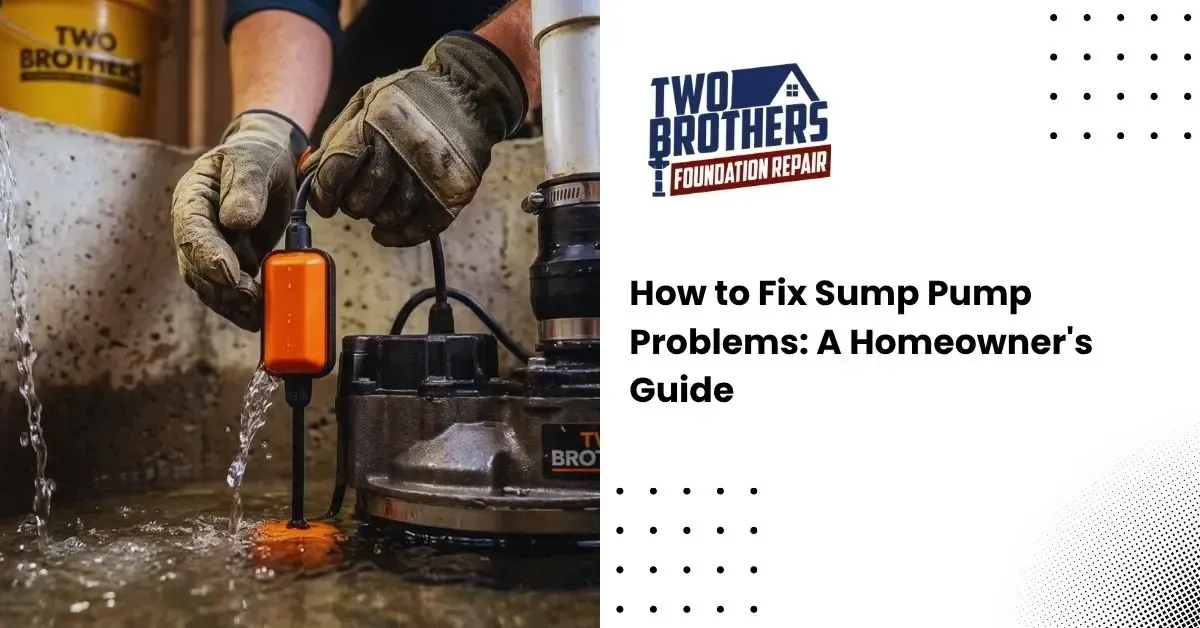
For severe drainage issues, sump pumps provide mechanical water removal. They’re necessary for flood prone areas, homes with chronic foundation water intrusion, and properties where gravity drainage isn’t possible.
Maintaining Your Water Prevention Landscaping
Effective landscaping around house to prevent water damage requires ongoing maintenance.
Seasonal Maintenance Tasks
Spring: Inspect drainage systems, clean gutters, refresh mulch, and check yard grading.
Summer: Monitor plants during drought, check rain gardens drain within 24 hours, inspect for erosion after storms.
Fall: Clean gutters thoroughly, cut back perennials in rain gardens, check French drain outlets for blockages.
Winter: Monitor for standing water after rains, check foundation for water intrusion signs, plan spring improvements.
When to Call Professional Help
Some water management issues require professional expertise.
Signs You Need Professional Assessment
- Persistent foundation cracks despite drainage improvements
- Severe erosion that threatens property structures
- Water entering basement or crawl space
- Complex grading issues requiring heavy equipment
- Foundation settlement or structural movement
What Two Brothers Foundation Repair Can Do
At Two Brothers Foundation Repair, we understand that proper drainage and landscaping are essential components of foundation health. Our comprehensive services include free foundation inspections to assess your property’s drainage, professional drainage solutions that work with your landscaping, and expert foundation repair backed by our lifetime transferable warranty.
With over 20 years of experience in Houston’s unique soil and climate conditions, we understand exactly what works for local properties.
Protecting Your Investment Through Smart Landscaping
Landscaping around house to prevent water damage is one of the smartest investments Houston homeowners can make. By implementing proper grading, installing effective drainage systems, choosing appropriate plants, and maintaining your water management features, you protect your foundation from costly damage.
The key is taking action before problems develop. Water damage happens gradually, often going unnoticed until significant foundation issues appear. Strategic landscaping provides the first line of defense, keeping water away from your foundation.
Don’t wait for foundation problems to develop. Contact Two Brothers Foundation Repair today for a free inspection and expert advice on protecting your Houston home from water damage. Our team will assess your property’s drainage, identify potential issues, and recommend solutions tailored to your specific needs.
Schedule your free consultation now and take the first step toward protecting your home’s foundation with effective landscaping and drainage solutions.