

What is a Concrete Apron? A Complete Guide to Driveway Aprons (2026)
If you’ve noticed your car scraping the driveway, water pooling near your garage, or an unsightly dip between your garage floor and driveway, you might need a concrete apron. But what exactly is a concrete apron, and why do so many homeowners invest in them?
In this comprehensive guide, we’ll explore everything you need to know about concrete aprons, from their definition and purpose to installation and maintenance.

What is a Concrete Apron?
A concrete apron, also known as a driveway apron or approach, is a section of concrete pavement that creates a transition between different surfaces or elevations around your property. Most commonly, it’s installed at the entrance of your driveway where it meets the street, or in front of your garage door where the garage floor meets the driveway surface.
Think of it as a bridge that smooths out grade differences and provides a durable, level surface for vehicles and pedestrians. A concrete apron typically measures anywhere from 3 to 6 feet in width and extends 8 to 15 feet in length, though exact dimensions depend on your property’s specific needs and local building codes.
Where Are Concrete Aprons Installed?
Concrete aprons can be strategically placed in several key locations:
- At the driveway entrance where your driveway meets the public street
- In front of the garage creating a smooth transition from garage floor to driveway
- Around the home’s perimeter for drainage and aesthetic purposes
- At sidewalk connections where pedestrian walkways meet driveways
The Three Primary Functions of a Concrete Apron
A well designed concrete apron serves multiple important purposes beyond just looking attractive. Understanding these functions helps you appreciate why this relatively small section of concrete makes such a significant difference.
1. Aesthetic Enhancement and Curb Appeal
First impressions matter, and your driveway is one of the first things visitors notice about your home. A concrete apron creates visual interest by providing contrast, especially when paired with an asphalt driveway. The distinct color difference between gray concrete and black asphalt creates a clear, professional looking separation that enhances your property’s curb appeal and can even increase your home’s value.
2. Stormwater Management
Water damage is one of the leading causes of driveway deterioration. A properly installed concrete apron can be graded and sloped to direct stormwater away from vulnerable areas, preventing water from pooling on your driveway or seeping into your garage. When water is allowed to pool, it can cause cracks and potholes through freeze thaw cycles, erode base materials, and create expensive repair bills down the line.
3. Grade Smoothing and Vehicle Protection
Perhaps the most practical function of a driveway apron is eliminating the harsh transition between surfaces at different elevations. If you’ve ever heard that unpleasant scraping sound when entering or exiting your driveway, you know exactly what problem a concrete apron solves. Grade differences can damage your vehicle’s undercarriage, bumpers, and exhaust system while creating safety hazards for pedestrians.
Why Concrete is the Preferred Material for Aprons
While driveways can be constructed from various materials, concrete remains the gold standard for aprons for several compelling reasons:
Durability and Longevity: Concrete is incredibly durable and can last 30 to 40 years or more with proper maintenance. It can withstand heavy vehicle traffic, extreme weather conditions, and constant use without significant wear.
Superior Load Bearing Capacity: The transition areas where aprons are installed experience concentrated stress from vehicles accelerating, braking, and turning. Concrete’s strength makes it ideal for these high stress zones.
Low Maintenance Requirements: Unlike asphalt, which requires regular sealing every few years, concrete requires minimal maintenance. It doesn’t soften in hot weather and resists oil stains better than asphalt.
Visual Definition: When paired with an asphalt driveway, a concrete apron creates an attractive color contrast that clearly defines different zones of your property while providing that important transitional function.
Better Drainage Properties: Concrete can be finished and graded precisely to direct water flow exactly where you want it to go, providing superior drainage compared to other materials.

Concrete Apron Dimensions and Sizing
The size of your concrete apron isn’t arbitrary. It’s determined by several important factors that ensure both functionality and code compliance.
Standard Dimensions
While specific measurements vary based on your situation, typical concrete apron dimensions are:
- Width: 3 to 6 feet (measured from the garage door outward or from the street inward)
- Length: 8 to 15 feet (typically matching your driveway width)
- Thickness: Usually 4 inches thick for residential applications
- Reinforcement: Steel rebar is commonly used to strengthen the slab
What Determines the Size?
Several considerations influence the final dimensions of your concrete apron:
Local Building Codes: Your municipality may have specific requirements regarding apron dimensions, thickness, and placement to ensure safety, proper drainage, and neighborhood uniformity.
HOA Regulations: If you live in a community with a homeowners association, you’ll need to comply with their aesthetic and structural guidelines.
Grade Differential: The height difference between surfaces affects how wide the apron needs to be to create a comfortable, safe slope.
Property Layout: The placement of sidewalks, utilities, and property lines may impact apron dimensions and placement.
The Concrete Apron Installation Process
Installing a concrete apron is a complex project that requires specialized equipment, materials, and expertise. Here’s what the professional installation process involves:
Phase 1: Demolition and Preparation
The contractor begins by measuring your driveway and marking the exact placement with stakes and string. If replacing an existing surface, a concrete saw cuts through the asphalt or old concrete. A hammer drill then breaks the material into manageable pieces for removal. The demolished waste is properly disposed of at specialized facilities.
Next, the exposed base is carefully measured to determine necessary adjustments. The contractor adds or removes base material (typically sand or crushed concrete) to create the right grade. A plate compactor compresses the base material, creating a solid, stable foundation that won’t settle over time. Steel rebar is positioned to reinforce the concrete and prevent cracking.
Phase 2: Concrete Pouring and Finishing
Fresh concrete is poured into the prepared space and carefully graded to create the desired slope. Finishing tools smooth and level the surface, ensuring it’s even with surrounding areas. A broom or brush creates texture on the surface, preventing it from becoming dangerously slippery when wet. Finally, a sealer and curing compound are applied to protect the concrete and ensure it achieves maximum strength.
Most concrete apron installations can be completed in 1 to 2 days, with crews typically on site for 4 to 6 hours total. However, the concrete needs several days to cure before bearing heavy traffic.
Common Problems with Concrete Aprons
While concrete is durable, concrete aprons can develop issues over time:
Cracking: Temperature fluctuations, particularly freeze thaw cycles, heavy vehicle loads, and poor installation practices can cause cracks. Small cracks allow water infiltration, leading to more serious damage.
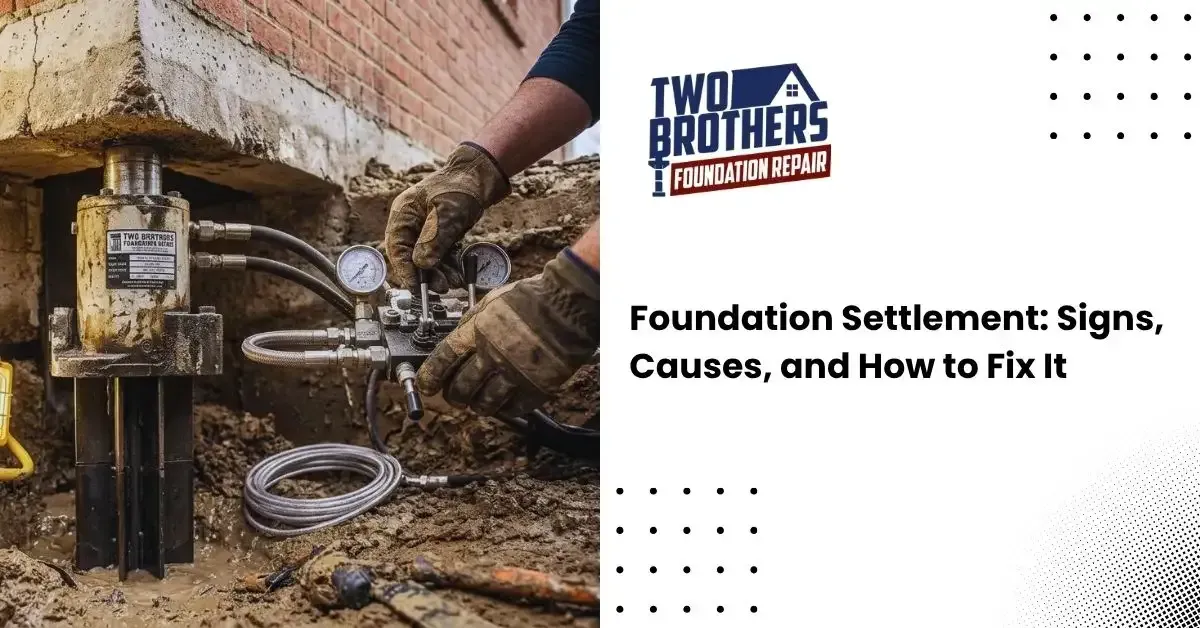
Settling or Sinking: If the base wasn’t properly compacted during installation, the soil beneath may settle over time, causing the apron to sink and create uneven transitions.
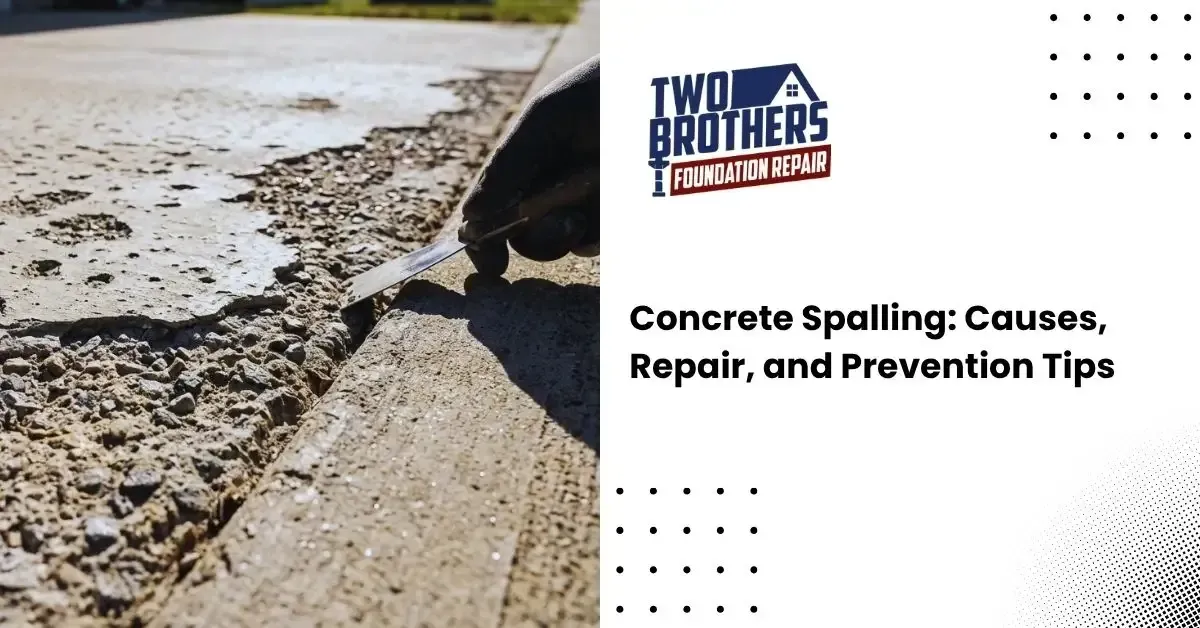
Spalling and Surface Deterioration: The top layer can flake or peel away due to exposure to deicing salts, freeze thaw cycles, or improper concrete mix.
Drainage Issues: An improperly sloped apron may fail to direct water away from your garage or driveway, leading to pooling and accelerated deterioration.
Code Compliance Problems: Aprons not meeting local requirements may result in fines or require costly replacement work.

Maintenance Tips for Long Lasting Concrete Aprons
Proper maintenance extends the life of your concrete apron and keeps it looking great:
- Clean regularly by removing debris, oil stains, and dirt with a pressure washer
- Seal periodically by applying a concrete sealer every 2 to 3 years to protect against moisture
- Address cracks promptly by filling small cracks before they expand and allow water penetration
- Manage water by ensuring drainage remains effective and clearing any blockages
- Use gentle deicers by choosing deicing products that won’t damage concrete in winter
- Avoid excessive loads by not parking heavy equipment on the apron for extended periods
Alternative Materials: Permeable Pavers
While concrete remains popular, permeable pavers offer an eco friendly alternative with superior stormwater management. These systems allow water to infiltrate naturally into the ground, eliminate runoff, filter pollutants, and can even support grass growth for a natural appearance. They install quickly without curing time and require less maintenance than traditional concrete, making them ideal for environmentally conscious homeowners.
Do You Need a Concrete Apron?
Consider installing a concrete apron if you experience:
- Your vehicle scraping when entering or exiting the driveway or garage
- Water pooling near your garage or driveway entrance
- A noticeable dip or uneven transition between surfaces
- Erosion issues near your driveway
- A desire to improve your property’s curb appeal and value
Conclusion
A concrete apron is more than just a patch of concrete. It’s a functional investment that protects your vehicles, improves safety, manages water effectively, and enhances your property’s appearance. Whether you’re dealing with practical problems like scraping vehicles and water damage, or simply want to boost your home’s curb appeal, a professionally installed concrete apron delivers lasting value.
When properly designed and installed by experienced contractors who understand local building codes, a concrete apron will serve your property reliably for decades, providing a smooth, safe, and attractive transition that stands the test of time. Consult with a qualified local contractor to design a solution tailored to your specific needs and enjoy the benefits of this essential property improvement.