

What Does Below Grade Mean? A Texas Homeowner's Guide
What does below grade mean? In construction and homebuilding, "below grade" refers to any part of a structure that sits beneath the level of the surrounding ground, the line builders call the "grade." If your home has a basement, a crawl space, buried
foundation footings, or walls surrounded by soil, those portions are below grade. The phrase shows up constantly in foundation inspections, waterproofing estimates, and home reports, yet most homeowners have never had it clearly explained. Understanding what below grade means, and why it matters so much, can help you protect one of the most expensive and least visible parts of your property. It is also the reason
basements were designed to sit below ground level in the first place.
What "Grade" Actually Means
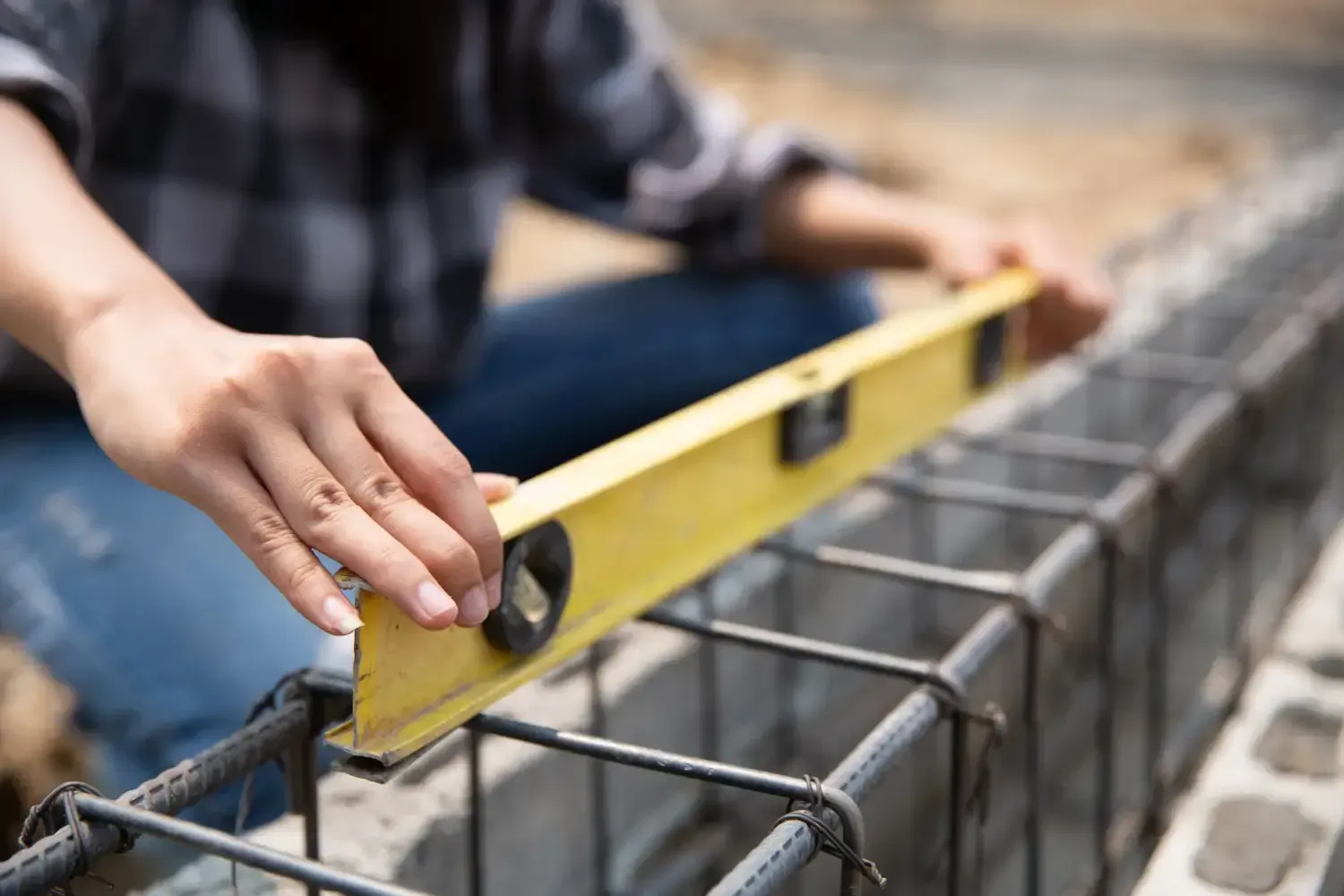
Before we define below grade, it helps to understand the word "grade" on its own. In construction, grade simply means the level or elevation of the ground. The "finished grade" is the final ground surface around your home after building and landscaping are complete. Everything about your house is measured in relation to that line, and builders, engineers, and inspectors use it as a reference point to describe exactly where each component sits relative to the earth.
There are three basic positions relative to grade:
- Above grade describes anything above the ground line, such as your main living floors, exterior walls, and roof.
- At grade (or "on grade") describes elements that sit right at ground level, like a slab foundation or a ground level patio.
- Below grade describes anything buried beneath the soil line, including basements, crawl spaces, foundation footings, piers, and below grade walls.
So when an inspector notes that your "below grade walls show signs of moisture," they are talking about the parts of your foundation wall that are surrounded by soil rather than open air. The distinction matters because each zone faces completely different stresses and demands different protection.
Why Below Grade Areas Matter So Much
The below grade portion of your home does the hardest job of all. It carries the entire weight of the structure above it and transfers that load safely into the ground. At the same time, it fights a constant battle against forces you can never see. Soil presses against below grade walls from every side. Groundwater collects and pushes inward. Moisture levels rise and fall with the seasons. Because these areas are hidden underground, problems can quietly develop for years before anyone notices a crack on the surface.
This is exactly why below grade construction requires special attention during building and ongoing care afterward. Above grade walls only contend with wind and rain. Below grade walls must resist hydrostatic pressure, soil movement, and persistent dampness day after day. When something fails down there, the consequences travel upward through the entire house, showing up as cracked drywall, sticking doors, and uneven floors long before the true source is found.
Common Below Grade Problems
Because below grade areas live in such a demanding environment, they are vulnerable to a handful of recurring problems. Knowing them helps you catch trouble early.
Water intrusion is the single biggest threat to any below grade space. Since the area sits lower than the surrounding ground, water naturally flows toward it and pools against the walls and floor. Without proper drainage and waterproofing, that water works its way through cracks, joints, and porous concrete. Many homeowners only discover the issue after a flooded basement or a musty crawl space. Installing professional foundation drainage solutions is often the most effective way to keep water away from below grade walls before it ever has a chance to cause structural damage.
Hydrostatic pressure is the second major concern. When the soil around your foundation becomes saturated, the water trapped in that soil presses against your below grade walls with surprising force. Over time this pressure can cause walls to bow inward, crack horizontally, or shift out of alignment. The deeper the wall sits below grade, the greater the pressure it must withstand.
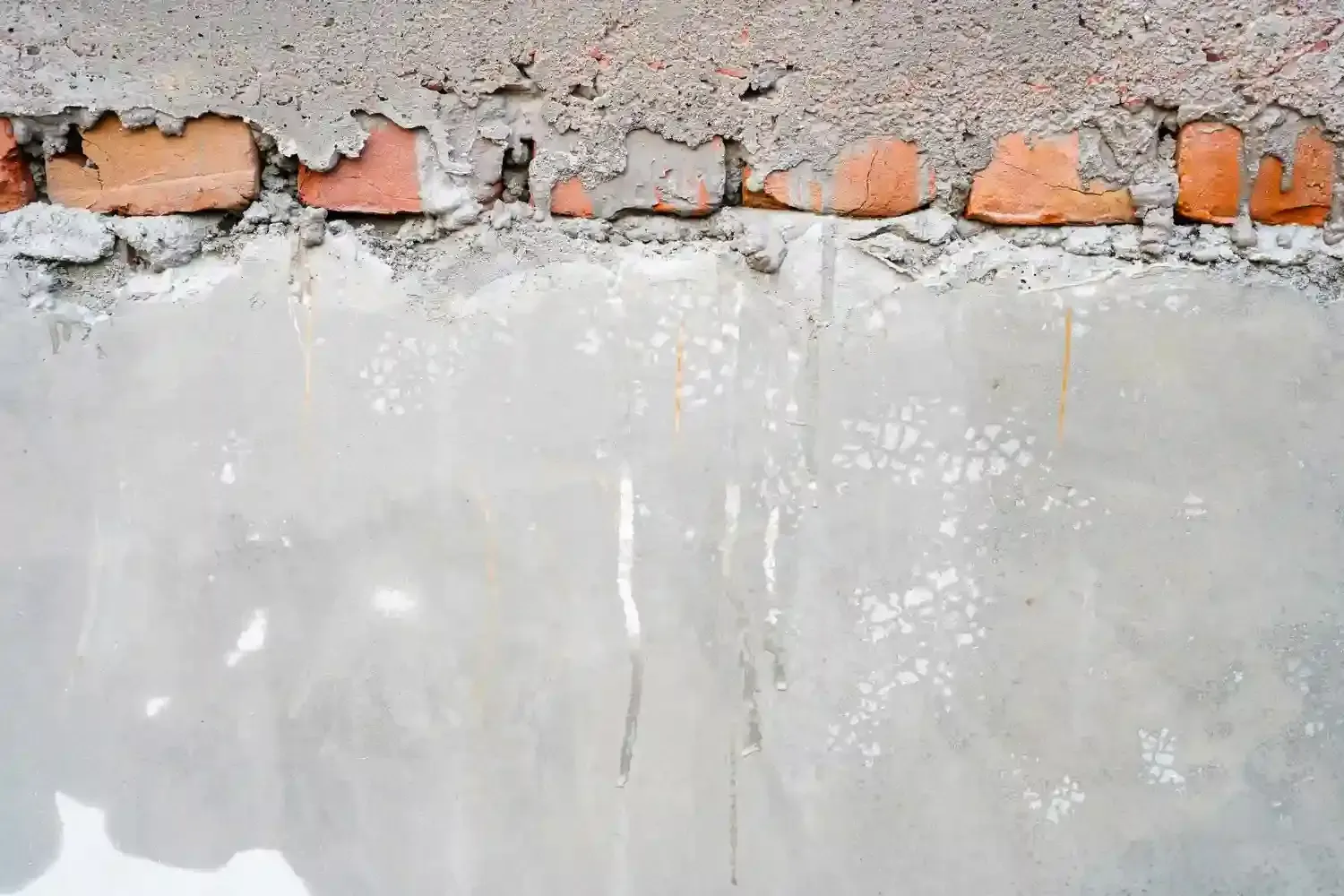
Soil movement is the third common issue. Expansive clay soils swell when wet and shrink when dry, and that constant expansion and contraction places enormous stress on below grade footings and walls. As the soil moves, it can lift, drop, or push against your foundation, leading to settlement and cracking. This is one of the most frequent causes of foundation failure in regions where clay soils dominate.
Below Grade Challenges in Texas
Texas homes face below grade conditions that are tougher than average. Much of the state, especially the Gulf Coast region around Houston, sits on expansive clay soils combined with a high water table and heavy seasonal rainfall. That combination is hard on anything built below grade.
During dry summer months, clay soil shrinks and pulls away from foundation walls, creating gaps and uneven support. When heavy rains or tropical storms arrive, that same soil rapidly absorbs water, swells, and presses back against the foundation with tremendous force. This repeated swelling and shrinking cycle puts below grade footings and walls through years of stress. Add in the flat terrain that drains slowly and the occasional hurricane that dumps inches of rain in hours, and it is easy to see why Texas homeowners need to take below grade protection seriously.
Even slab foundations, which are extremely common across Texas, have below grade elements. The footings and the bottom edges of the slab sit within the soil, so they are still exposed to the same moisture and movement that affects basements and crawl spaces elsewhere.
Signs of Below Grade Problems
Because the trouble starts underground, you will usually notice the symptoms inside and around your home rather than at the source. Watch for these warning signs:
- Cracks in foundation walls, especially horizontal or stair step cracks
- Water stains, dampness, or standing water in a basement or crawl space
- A persistent musty or earthy odor inside lower levels of the home
- White, chalky residue (efflorescence) on concrete or block walls
- Floors that feel uneven, bouncy, or sloped
- Doors and windows that suddenly stick or will not latch
- Pooling water or soil that slopes toward the house after rain
Any one of these can signal that water, pressure, or soil movement is affecting your below grade structure. Several appearing together is a strong reason to schedule a professional inspection.
How to Protect Your Below Grade Spaces
The good news is that below grade problems are largely preventable with the right maintenance and a few smart upgrades. Start with the soil itself. The ground around your foundation should slope away from the house, dropping at least a few inches over the first several feet. Proper grading directs rainwater away from below grade walls instead of letting it collect against them.
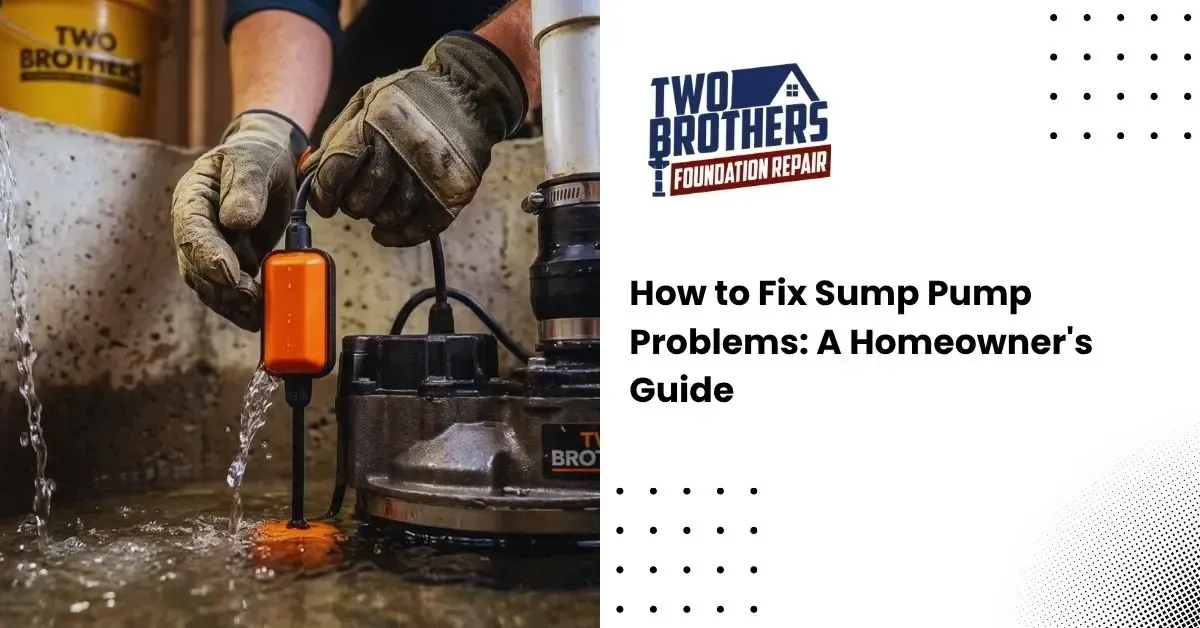
Next, manage roof water. Clean gutters and downspouts that discharge well away from the foundation keep thousands of gallons of rainwater from soaking the soil right next to your home. From there, a dedicated drainage system, waterproof membranes on below grade walls, and a working sump pump all add layers of defense. Each one reduces the amount of water and pressure your foundation has to handle.
Finally, inspect regularly. Walk your basement, crawl space, and exterior foundation a few times a year, and after major storms. Catching a small crack or a damp corner early is far cheaper than repairing a bowed wall or a settled foundation later.
When to Call a Professional
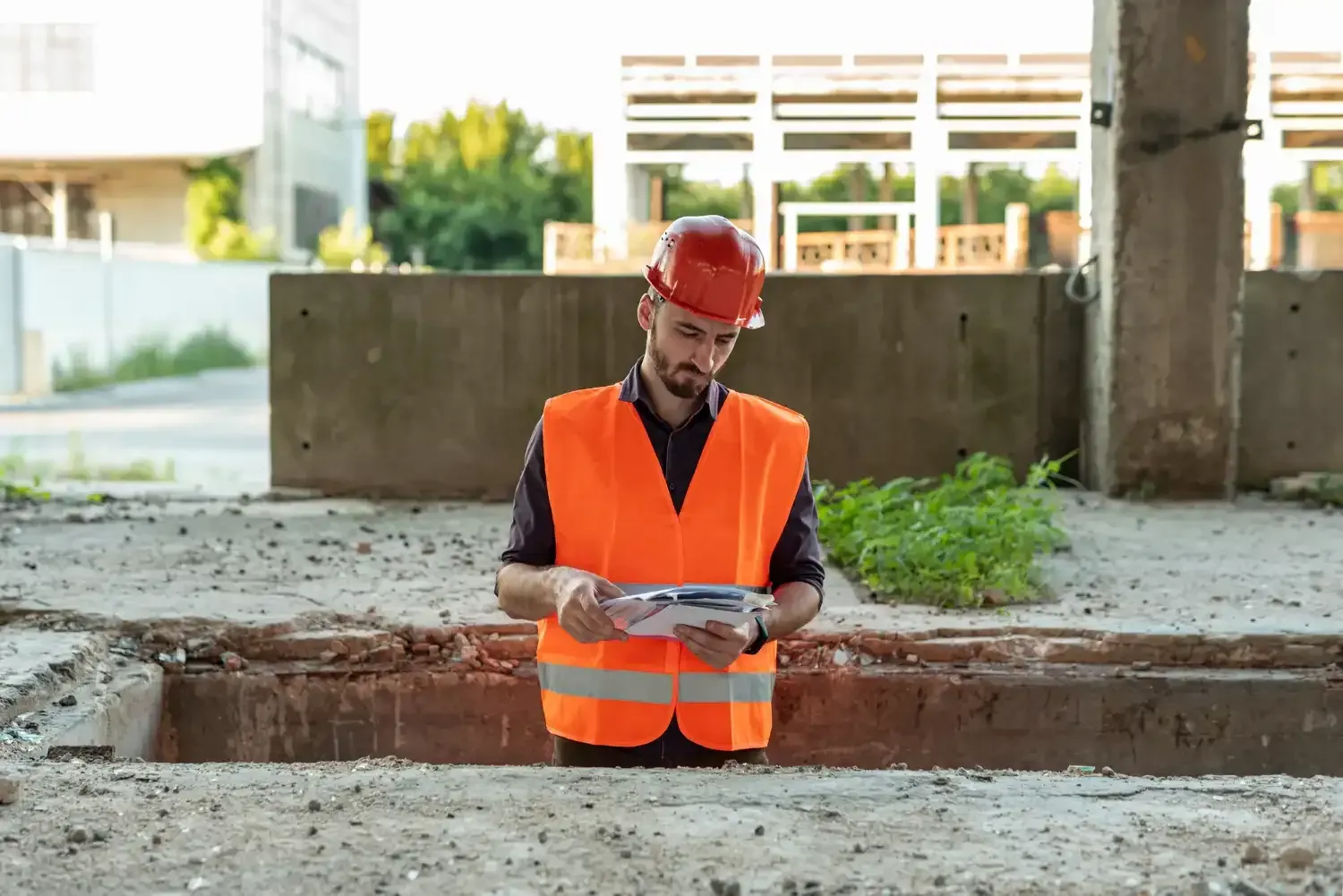
Some below grade maintenance is well within reach for a homeowner, like clearing gutters or improving the slope of a flower bed. But once you see structural cracks, bowing walls, recurring water intrusion, or signs of settlement, it is time to bring in an expert. Below grade repairs involve soil mechanics, drainage engineering, and structural know how that go beyond a weekend project, and a misdiagnosis can let a small problem grow into a major one.
A qualified foundation contractor can pinpoint exactly what is happening beneath your home, whether the cause is poor drainage, hydrostatic pressure, expansive soil, or a combination of all three. From there, they can design a lasting solution rather than a temporary patch.
The Bottom Line
So, what does below grade mean for you as a homeowner? It means the hidden, hardworking foundation of your home, the part buried in the soil that holds everything up and faces water, pressure, and movement around the clock. Because it is out of sight, it is easy to overlook until the warning signs appear inside your living space. By understanding the term, knowing the risks, and acting early, you can keep your below grade structure dry, stable, and strong for decades.
If you have noticed cracks, moisture, or movement in the below grade areas of your home, the team at Two Bros Foundation Repair can help. Our experienced technicians diagnose the real source of the problem and deliver dependable, long lasting repairs built for Texas conditions. Reach out today for a professional inspection and protect your home from the ground up.
Frequently Asked Questions
What does below grade mean?
In construction and real estate, "below grade" refers to any part of a structure that sits beneath the level of the surrounding ground, the line builders call the grade. Basements, crawl spaces, buried foundation footings, piers, and the walls surrounded by soil are all below grade. The term comes up constantly in foundation inspections, waterproofing estimates, and home reports because below grade areas face very different stresses than the parts of the house above ground.
What is the difference between above grade, at grade, and below grade?
Grade simply means the level or elevation of the ground, and everything about a house is measured against that line. Above grade describes anything above the ground line, such as your main living floors, exterior walls, and roof. At grade, or on grade, describes elements right at ground level, like a slab foundation or a ground level patio. Below grade describes anything buried beneath the soil line, including basements, crawl spaces, footings, and below grade walls. Each zone faces different forces and needs different protection.
What parts of a house are considered below grade?
Any portion of the home buried in or surrounded by soil is below grade. That includes basements, crawl spaces, foundation footings, piers, and the lower sections of foundation walls that sit against the earth. When an inspector notes that your "below grade walls show signs of moisture," they mean the parts of the foundation wall surrounded by soil rather than open air. These hidden areas carry the weight of the home while resisting water and soil pressure year round.
Does a slab foundation have below grade parts?
Yes. Even slab on grade foundations, which are extremely common across Texas, have below grade elements. The footings and the bottom edges of the slab sit within the soil, so they are exposed to the same moisture and soil movement that affects basements and crawl spaces elsewhere. That is why slab homes in expansive clay regions still need drainage and moisture management, even without a basement.
Why does above grade vs below grade matter in real estate?
The distinction affects how a home's square footage is counted. Finished space above grade is included in Gross Living Area, the standard used for appraisals and listings, while finished below grade space such as a basement usually is not counted as above grade living area even when it is fully finished. That can affect appraised value and how a home is marketed. Below grade condition also matters to buyers, since moisture or structural issues in those hidden areas are common inspection findings.
What are the most common below grade problems and warning signs?
The three biggest threats are water intrusion, hydrostatic pressure from saturated soil, and movement from expansive clay that swells and shrinks. Because the trouble starts underground, you usually notice the symptoms inside: horizontal or stair step cracks in foundation walls, water stains or dampness in a basement or crawl space, a musty odor, white chalky efflorescence, uneven or sloped floors, and doors or windows that suddenly stick. Several of these together are a strong reason to schedule a professional inspection.
How do I protect and waterproof below grade areas?
Start with the soil by grading the ground so it slopes away from the house, dropping at least a few inches over the first several feet. Keep gutters clean and extend downspouts well away from the foundation so roof water does not soak the soil next to the home. From there, add layers of defense with a dedicated
drainage system, waterproof membranes on below grade walls, and a working sump pump. Inspect a few times a year and after major storms, since catching a small crack early is far cheaper than repairing a bowed wall later. For structural cracks or recurring water, call Two Brothers Foundation Repair at (832) 412-2791 or
request an inspection.