

Why Were Basements Invented? The Fascinating History Behind Your Home's Lowest Level
Why were basements invented in the first place? It's a question most homeowners never stop to ask, yet the answer reveals a fascinating story stretching back thousands of years. Basements weren't originally built as game rooms, home theaters, or extra storage for holiday decorations. They were born out of practical necessity, shaped by climate, technology, and the way humans have always tried to make their homes safer, sturdier, and more functional. Understanding the origins of basements helps us appreciate why they remain such a valuable part of modern homes today, and why protecting them with proper care, including knowing things like what is a sump pit and how it safeguards your foundation, is so important.
In this blog, we'll take a deep dive into the history of basements, explore the reasons they were created, and look at how their purpose has evolved over centuries.
The Earliest Origins of Basements
Long before modern construction techniques existed, ancient civilizations were already digging below the ground for shelter and storage. Archaeologists have found evidence of underground rooms and pits in settlements dating back more than 10,000 years. These early "basements" were typically simple holes carved into the earth and lined with stone or wood. Their purpose was straightforward: keep food cool, store grain, and provide a safe hiding spot during times of danger.
In regions with harsh winters or scorching summers, the natural insulation of the earth made underground spaces ideal for preserving perishables. Long before refrigeration, the consistent cool temperature beneath the surface made it possible to keep meat, dairy, and produce fresh for longer periods.
Why Were Basements Invented for Practical Reasons?
The invention of basements was driven by several practical needs that shaped early human life:
1. Food Preservation
Before refrigerators came along, families relied on cool, dark spaces to store food. Underground cellars maintained steady temperatures year round, making them perfect for storing root vegetables, cured meats, wine, and dairy. Many old farmhouses still have these traditional root cellars, which inspired the modern basement.
2. Protection from Weather
In areas prone to tornadoes, hurricanes, or extreme cold, having a space below ground offered crucial protection. Basements served as storm shelters where families could take cover during dangerous weather events. This is still one of the main reasons basements are popular in the Midwest and parts of the South today.
3. Structural Support
As buildings grew taller and heavier, builders realized that creating a strong foundation below ground was essential. Basements provided the structural base needed to support multi-story homes and reduce the risk of settling or shifting. This connection between basements and structural integrity is something foundation experts still emphasize today.
4. Storage and Utility
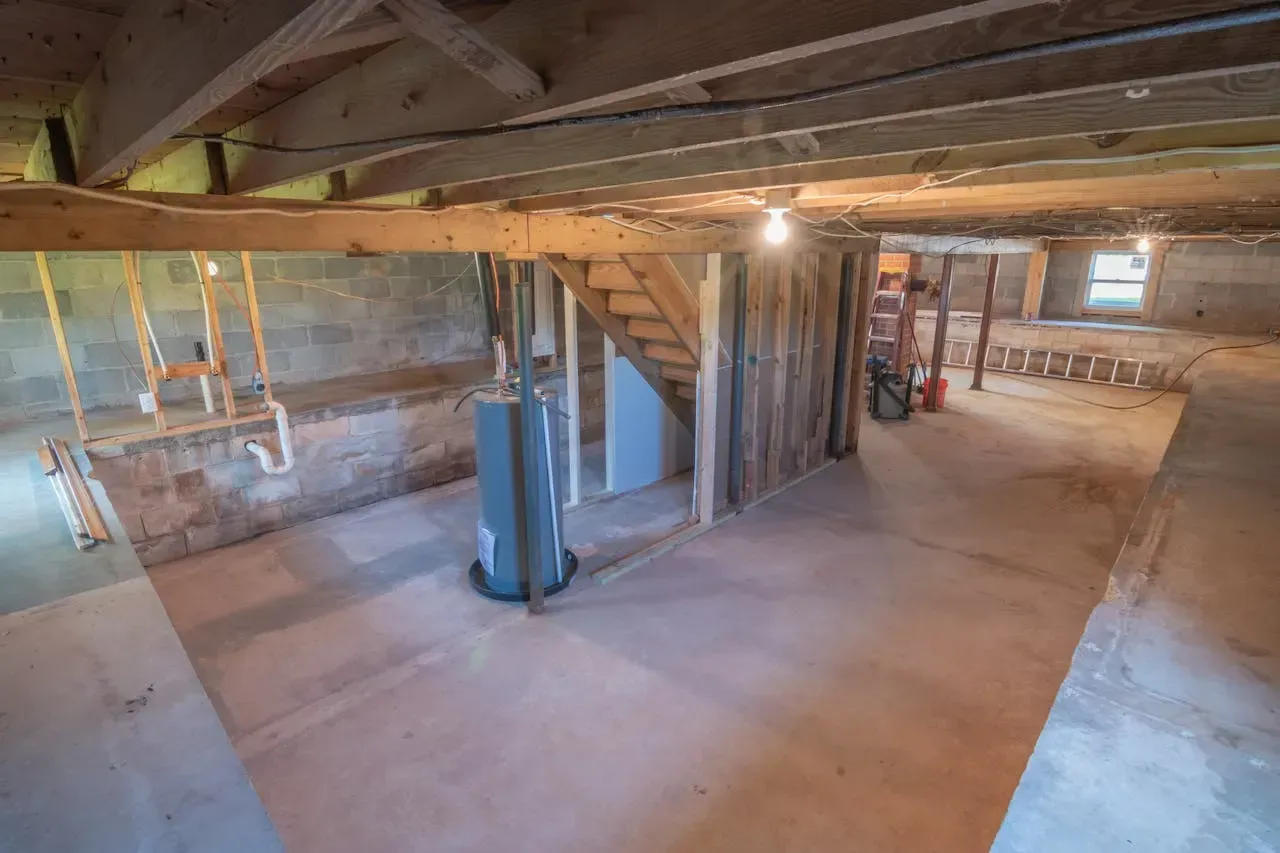
Beyond food, basements offered space for tools, coal, firewood, and later, mechanical systems like furnaces and water heaters. As homes became more complex, the basement became the natural home for utilities that didn't fit neatly into living spaces.
The Evolution of Basements Through the Centuries
Ancient Rome and Greece
The Romans were among the first to formalize basement construction. Wealthy Roman homes often featured underground rooms used for storage, servant quarters, and even cooling systems. The Greeks also built underground chambers for religious and practical purposes.
Medieval Europe
During the medieval period, castles and large estates included extensive basement networks. These underground areas were used as dungeons, wine cellars, kitchens, and supply rooms. The thick stone walls of medieval basements also helped protect against fires and invasions.
Colonial America
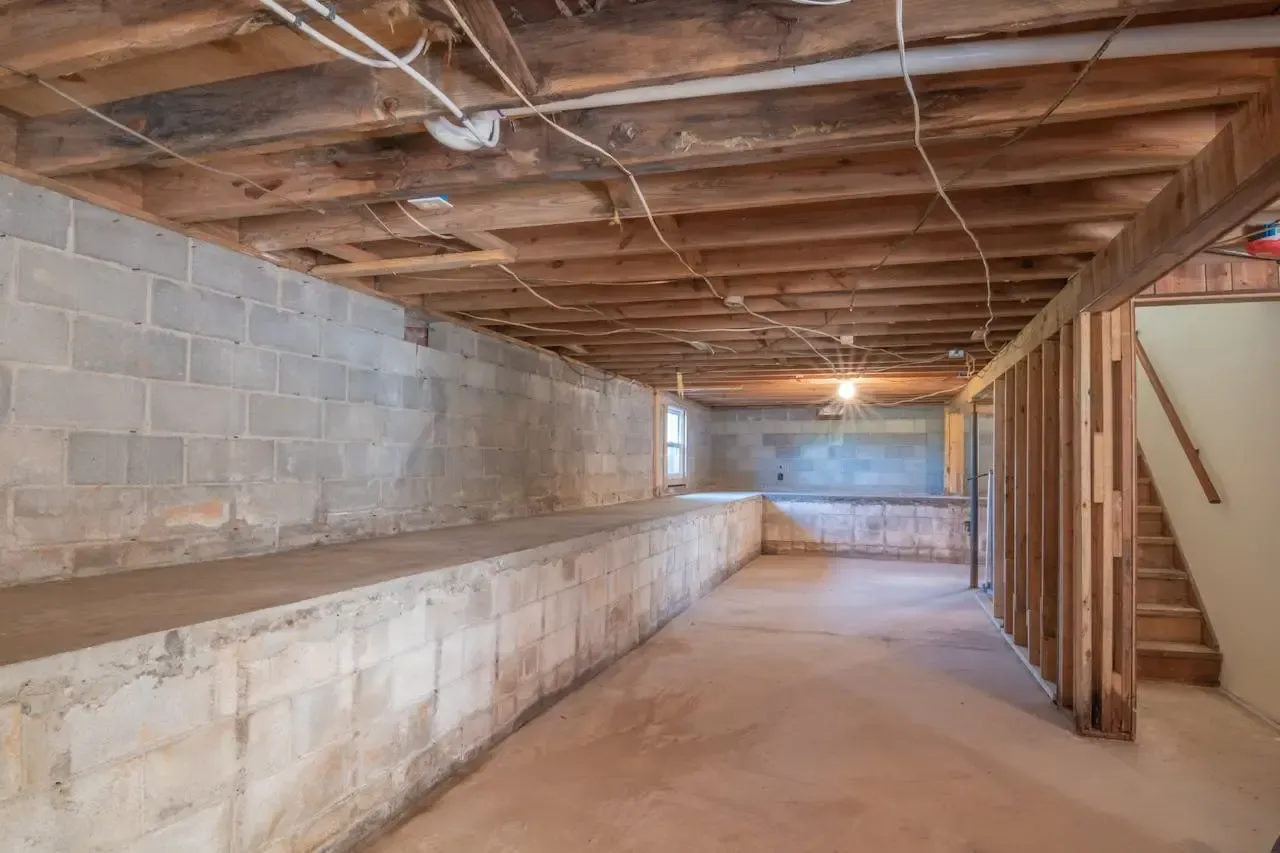
When settlers arrived in North America, they brought European building traditions with them. Early colonial homes often featured stone basements used for food storage and as protection from harsh New England winters. These basements were typically dirt floored and unfinished, serving purely functional purposes.
The Industrial Revolution
The 19th century brought major changes to basement construction. With the rise of central heating systems, basements became the perfect spot to house large coal furnaces. Concrete also became widely available, allowing builders to create stronger, more waterproof basements than ever before.
The 20th Century
By the mid 1900s, basements had transformed from purely utilitarian spaces into potential living areas. Post World War II suburban homes often included finished basements used as recreation rooms, home offices, or extra bedrooms. This shift marked the beginning of the modern basement as we know it.
Why Basements Became a Building Standard in Cold Climates
One of the biggest reasons basements became standard in northern regions is the frost line. The frost line is the depth at which the ground freezes during winter. To prevent foundations from cracking and shifting, builders must dig footings below this line. In cold areas, that depth can be four feet or more.
Once you've dug that deep for the foundation, it makes economic sense to go a little deeper and create a full basement. This explains why basements are extremely common in the northern United States and Canada but much rarer in warmer regions like Texas, Florida, and California.
Why Basements Are Less Common in Warmer Regions
In states like Texas, basements are rare due to several factors. The expansive clay soil shifts dramatically with moisture changes, making basement construction risky. The high water table in many areas can lead to flooding, and the lack of a deep frost line means there's no construction necessary to dig down.
However, that doesn't mean homes in these areas don't face foundation challenges. In fact, foundation issues are extremely common in Texas due to soil movement. If you're dealing with foundation problems or want to prevent them, professional basement foundation repair services can help protect your home from costly damage and ensure long term stability.
How Modern Basements Differ from Their Ancestors
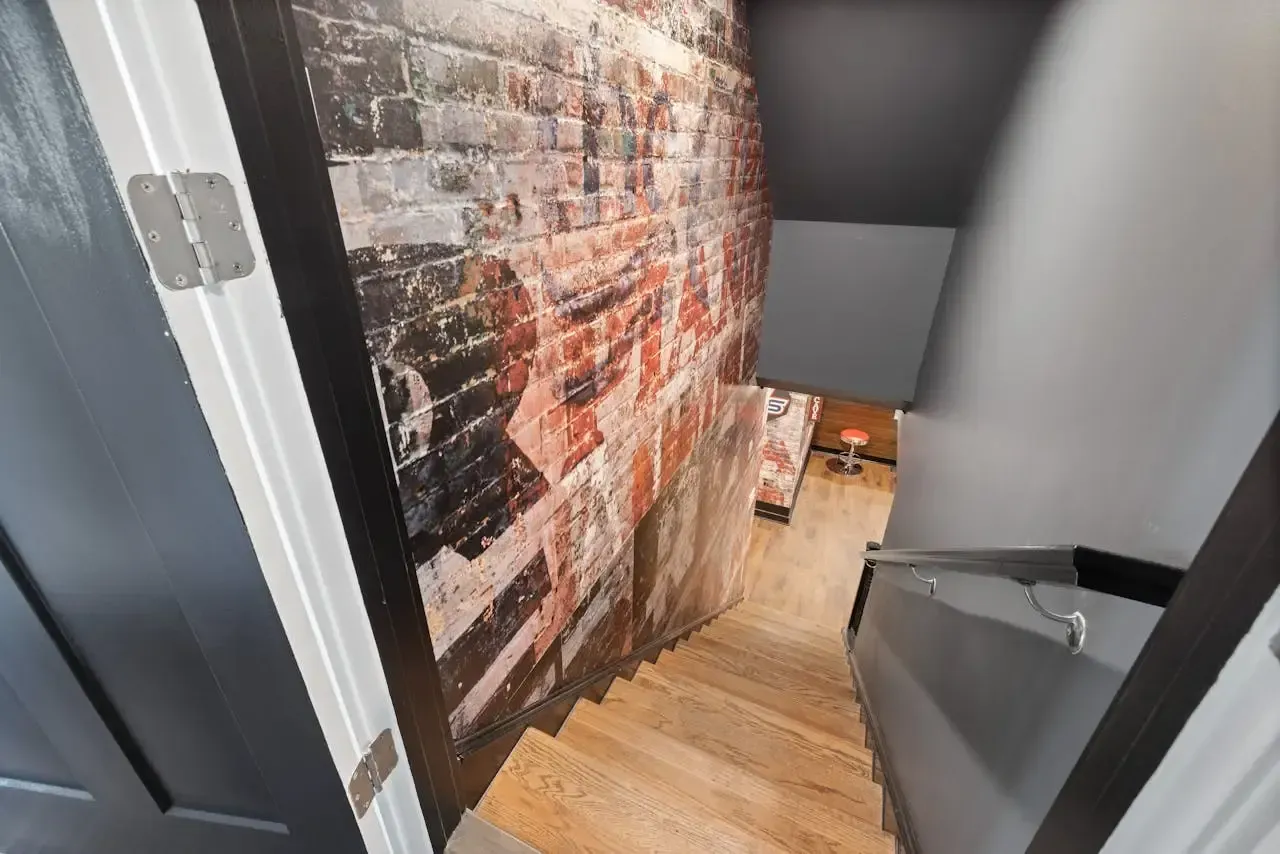
Today's basements are a far cry from the dirt floored cellars of centuries past. Modern basements often include:
- Waterproof concrete walls and floors
- Sump pumps and drainage systems to prevent flooding
- Proper insulation and ventilation
- Finished living spaces with carpet, drywall, and lighting
- Home theaters, gyms, bedrooms, and offices
Advances in construction technology, waterproofing materials, and moisture control have transformed basements into comfortable, functional spaces that add real value to a home.
The Cultural Significance of Basements
Basements have also taken on cultural meaning over time. In American suburbia, the finished basement became a symbol of family life, hosting everything from teenage hangouts to holiday gatherings. In horror movies and ghost stories, basements often represent mystery and the unknown, a nod to their dark, hidden history.
Even today, the basement holds a special place in many homes as a private retreat, a creative workspace, or a place to escape the chaos of upstairs life.
Final Thoughts
So, why were basements invented? They were created out of necessity, evolving from simple underground pits used for food storage and shelter into sophisticated spaces that support entire homes. Across thousands of years, basements have served as cool storage rooms, storm shelters, structural foundations, utility hubs, and finally, comfortable living areas.
Today, basements continue to play a vital role in homes across colder climates, while warmer regions rely on alternative foundation systems. Regardless of where you live, understanding the history and purpose of basements gives you a deeper appreciation for the engineering that keeps your home standing strong.
If you're a homeowner concerned about your foundation, basement, or overall structural health, working with experienced professionals is the smartest investment you can make. After all, the principles that drove the invention of basements thousands of years ago, protection, preservation, and stability, are the same principles that keep your home safe today.
Frequently Asked Questions
Why were basements invented?
Basements were invented out of practical necessity, not for recreation. Early ones solved everyday problems: preserving food in a cool, stable underground temperature before refrigeration existed, providing shelter from severe weather, supporting taller and heavier buildings with a strong below ground base, and storing tools, fuel, and later mechanical systems. Over thousands of years those same needs of protection, preservation, and stability shaped the basement into the space we know today.
When were the first basements built?
Underground rooms are ancient. Archaeologists have found evidence of below ground pits and chambers in settlements dating back more than 10,000 years. These earliest basements were simple holes carved into the earth and lined with stone or wood, used mainly to keep food cool, store grain, and provide a safe hiding place during danger. Formal basement construction later advanced through ancient Rome and Greece, medieval Europe, and colonial America.
What were basements originally used for?
Originally they were functional spaces rather than living areas. The main uses were food preservation in cool root cellars, protection from tornadoes, hurricanes, and extreme cold, structural support for the building above, and storage for tools, coal, firewood, and eventually furnaces and water heaters. The shift toward finished basements as recreation rooms, offices, and bedrooms did not really take hold until the suburban housing boom after World War II.
Why do cold climates have basements but warm regions do not?
The key factor is the frost line, the depth at which the ground freezes in winter. To keep foundations from cracking and shifting, builders in cold regions must dig footings below that line, which can be four feet or more down. Once you have excavated that deep, it makes economic sense to go a little further and create a full basement. In warm regions there is no deep frost line, so there is no need to dig down, which is a big reason basements are common in the north but rare in the south.
Why do homes in Texas usually not have basements?
Several factors combine. Texas sits largely on expansive clay soil that swells and shrinks dramatically with moisture, which makes basement construction risky. Many areas have a high water table that raises the flood risk, and the subtropical climate means there is no deep frost line forcing builders to dig down in the first place. Cost adds to it, since basements in Texas typically run more per square foot than equivalent above ground space. Most Texas homes use slab on grade foundations instead, which still face soil related foundation challenges.
How are modern basements different from the ones in the past?
Today's basements are far more advanced than the dirt floored cellars of centuries past. Modern construction adds waterproof concrete walls and floors, sump pumps and drainage systems to prevent flooding, proper insulation and ventilation, and finished living space with drywall, lighting, and flooring. Advances in waterproofing and moisture control have turned what was once pure utility space into comfortable, valuable living areas like home theaters, gyms, and bedrooms.
Can you build a basement in Texas?
You can, but it is more complex and expensive than in northern states. The expansive clay soil, high water table, and flood risk mean a Texas basement needs careful engineering, robust waterproofing, and strong drainage to stay dry and stable, which is why they remain uncommon. Whether you have a rare basement or the more typical slab foundation, protecting it from soil movement and water is what matters most. Two Brothers Foundation Repair can assess your home and recommend the right drainage and foundation solutions. Call (832) 412-2791 or request an inspection.