

Who Is Responsible for Foundation Problems in a Townhouse
Who is responsible for foundation problems in a townhouse is one of the most confusing questions townhome owners face when cracks start appearing in walls or floors begin to slope. Unlike a single family home where the answer is simple, townhouse ownership creates a tangled web of personal property, shared structures, and homeowners association rules. When something goes wrong with the foundation, figuring out who pays for the repair can feel like solving a puzzle with missing pieces. The good news is that with a clear understanding of your governing documents, state laws, and the nature of foundation issues, you can navigate this situation with confidence. If you want to better understand how foundations behave under different conditions, our guide on normal house settling cracks explains what to watch for before assuming the worst.

Understanding Townhouse Ownership Structure
Townhouses sit in a unique category of real estate. Owners typically hold title to their individual unit, including the interior and sometimes the exterior walls, the roof above their unit, and the land directly beneath the structure. However, the foundation often extends across multiple units because townhomes share walls and structural elements with neighboring properties. This shared construction is what makes responsibility so murky in the first place.
In most townhouse communities, ownership is divided into two categories. The first is your private property, which includes everything inside your unit and sometimes specific exterior elements. The second is the common area, which includes shared structures, landscaping, and infrastructure that the homeowners association maintains on behalf of all owners. Where the foundation falls in this division depends entirely on how the community was originally established and documented.
What Your CC&Rs Actually Say
The single most important document for answering who is responsible for foundation problems in a townhouse is your Covenants, Conditions, and Restrictions, commonly called CC&Rs. This legal document was created when the community was developed and it spells out exactly what the HOA maintains versus what each owner must handle on their own.
Some CC&Rs clearly state that the HOA is responsible for all structural elements including the foundation, exterior walls, and roof. In these communities, owners only handle the interior of their unit. Other CC&Rs flip this arrangement and place foundation responsibility entirely on the individual owner, even when the foundation is physically connected to neighboring units. A third common arrangement splits responsibility based on the cause of the damage or the specific location of the problem within the structure.
Before assuming anything, pull out your CC&Rs and read the maintenance section carefully. If you cannot find your copy, your HOA is required to provide one upon request. Pay close attention to definitions of common elements, limited common elements, and unit boundaries because these terms determine who pays.
When the HOA Is Responsible
In townhouse communities where the HOA owns and maintains the foundation, the association must repair foundation problems using funds collected through monthly dues and special assessments. This typically applies when the foundation is considered a common element that supports multiple units. The HOA hires contractors, manages the project, and covers the cost from reserves or by levying special assessments on all owners in the community.
This arrangement protects individual owners from catastrophic repair bills but it also means you must rely on the HOA to act promptly when problems arise. Unfortunately, some associations delay repairs due to budget constraints or disputes among board members. If your HOA is responsible but refuses to act, you may need to push for a vote, file a formal complaint, or in extreme cases pursue legal action to force the association to fulfill its obligations under the governing documents.
When the Owner Is Responsible
Many townhouse owners are surprised to learn that foundation repairs fall on them personally. This is especially common in newer developments and in states where shared foundation responsibility has been clarified to favor individual ownership. If your CC&Rs assign foundation responsibility to the unit owner, you will need to coordinate repairs yourself, pay for the work, and potentially negotiate with neighbors whose units share the foundation with your own.
The complication here is obvious. If your foundation problem extends into a neighboring unit, you cannot simply repair your portion without affecting theirs. This is why townhouse foundation repairs often require cooperation between multiple owners working together. In Texas, where expansive clay soils cause significant foundation movement, this scenario plays out frequently across communities of all sizes. Homeowners benefit from working with experienced professionals who understand the unique challenges of residential foundation repair for attached structures and can coordinate work across multiple units while minimizing disruption.
Shared Walls and Party Wall Agreements
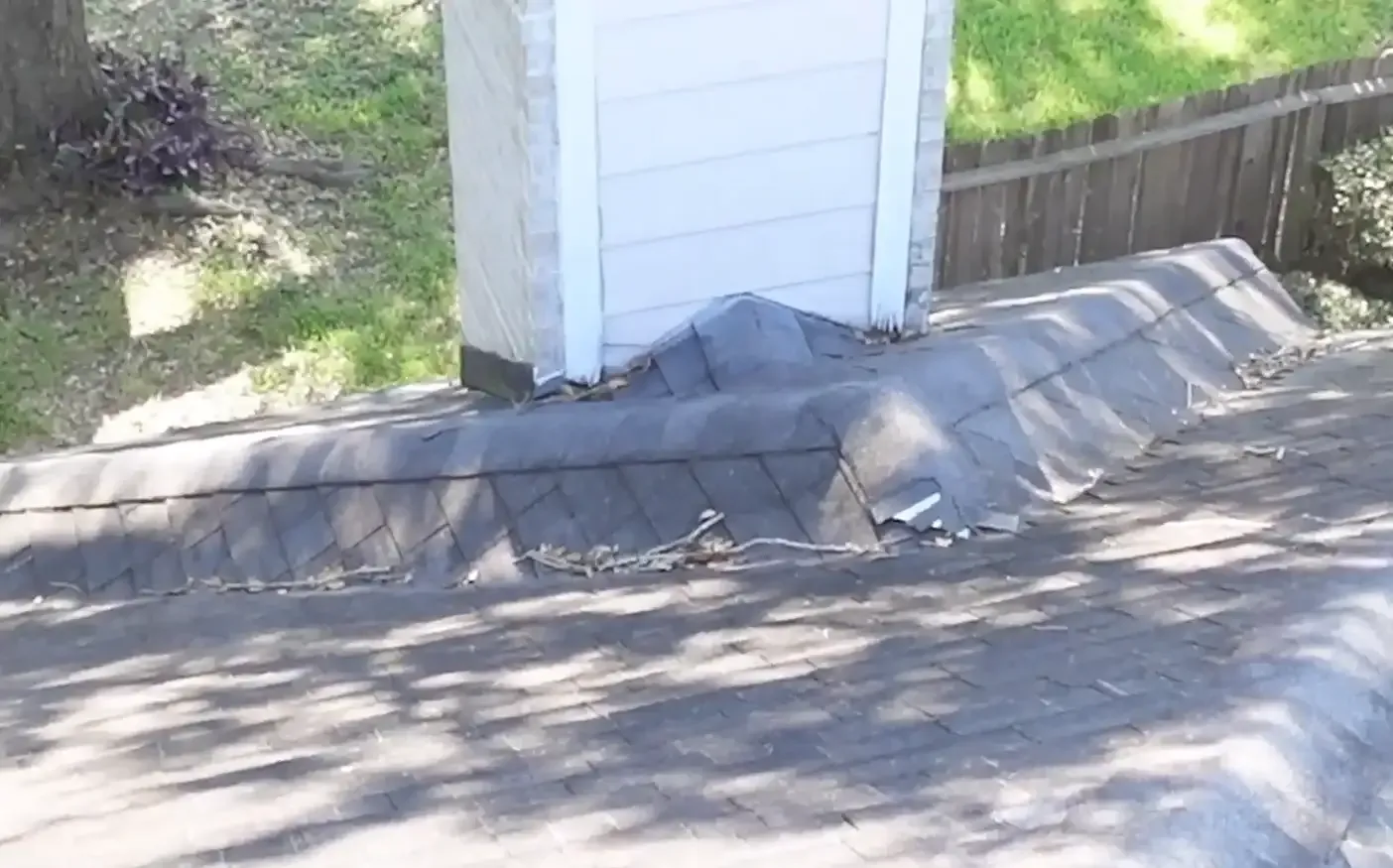
Townhouses share walls with neighboring units and these shared walls are often called party walls. Most townhouse communities have party wall agreements that govern how repairs and maintenance are handled when damage affects more than one unit. These agreements typically require neighboring owners to share the cost of repairs proportionally when the damage affects the shared structural element rather than just one side.
If foundation movement causes a party wall to crack or shift, the cost of repair is usually split between the affected owners according to the agreement. This becomes complicated when one owner refuses to pay or disputes the cause of the damage. Documentation becomes critical in these situations. Photographs, engineering reports, and written communication with neighbors all help establish responsibility and protect your interests if the dispute escalates to mediation or court.
Common Causes of Townhouse Foundation Problems
Understanding what causes foundation issues helps clarify responsibility for the repairs that follow. In Texas and many southern states, the primary culprit is soil movement. Expansive clay soils swell when wet and shrink when dry, putting tremendous pressure on foundations year after year. Poor drainage, plumbing leaks, tree roots, and improper grading all contribute to foundation distress in townhouse communities.
When foundation problems result from a clearly identifiable cause within one owner's control, such as a plumbing leak from their unit or improper landscaping choices, that owner may bear full responsibility regardless of what the CC&Rs say about general maintenance obligations. On the other hand, when foundation problems result from natural soil movement or original construction defects, the responsibility typically follows the maintenance structure outlined in the governing documents for the community.
Insurance Considerations
Homeowners insurance for townhouses comes in two main forms that work together. An HO-6 policy covers the interior of your unit and your personal property, while the HOA carries a master policy that covers common elements throughout the community. Whether your insurance helps with foundation repair depends on the cause of the damage and the specific policy terms in effect at the time.
Most standard policies exclude damage from earth movement, settling, and gradual deterioration over time. However, sudden damage from a covered event such as a plumbing leak may be covered under specific provisions. Review your policy carefully and consider adding endorsements for foundation coverage if available in your area. The HOA master policy may also provide coverage for shared structural elements, so check with your association before assuming you are on your own financially.
Steps to Take When You Notice Foundation Problems
If you see signs of foundation trouble in your townhouse, act quickly to protect yourself. Document everything with photographs and written notes including dates and conditions. Notify your HOA in writing and request a formal inspection. Get an independent assessment from a qualified foundation repair company to understand the scope and cause of the damage. Review your CC&Rs to determine who is responsible for the repair work. Communicate with affected neighbors if the problem extends beyond your unit boundaries. Consult an attorney if responsibility is disputed or if the HOA refuses to act on a clear obligation outlined in the documents.
Early action prevents small problems from becoming expensive disasters down the road. Foundation issues rarely improve on their own and delays often lead to additional damage in the form of cracked walls, sticking doors, uneven floors, and plumbing problems throughout the unit.
Resolving Disputes Between Owners and HOAs
When responsibility is unclear or actively contested, mediation is often the fastest path to a resolution that satisfies everyone involved. Many CC&Rs require mediation before lawsuits can be filed in court. If mediation fails to produce an agreement, small claims court or a full lawsuit may be necessary depending on the amount in dispute. Some states have specific laws governing townhouse and condominium disputes, and a real estate attorney familiar with these laws can guide you through the process from start to finish.
Conclusion
Who is responsible for foundation problems in a townhouse comes down to your CC&Rs, the cause of the damage, and the cooperation of your neighbors and HOA. Read your governing documents carefully, document everything you observe, and act quickly when problems first appear. With the right professional help and a clear understanding of your responsibilities, even complicated townhouse foundation issues can be resolved fairly and effectively for everyone involved in the situation.
Frequently Asked Questions
Who is responsible for foundation problems in a townhouse?
It depends on three things: what your governing documents say, what caused the damage, and how the foundation is shared between units. Unlike a single family home, a townhouse mixes private property, shared structures, and homeowners association rules, so responsibility can fall on the individual owner, the HOA, or be split among several parties. The starting point is always your Covenants, Conditions, and Restrictions, which spell out who maintains the foundation and other structural elements.
Is the HOA responsible for foundation repairs in a townhouse?
Sometimes, but not automatically. In many communities the foundation is treated as a common element that supports multiple units, in which case the HOA repairs it using monthly dues, reserves, or special assessments. In other communities the CC&Rs assign foundation responsibility to the individual owner, even when the foundation connects to neighboring units. Because the exact division varies from one community to the next, the only reliable answer comes from reading your specific governing documents.
What are CC&Rs and why do they decide foundation responsibility?
CC&Rs stands for Covenants, Conditions, and Restrictions, the legal document created when the community was developed. It defines key terms like common elements, limited common elements, and unit boundaries, and it spells out exactly what the HOA maintains versus what each owner handles. These documents take precedence over verbal agreements or general assumptions, so they are the single most important thing to review. If you cannot find your copy, your HOA is required to provide one on request.
Who pays when a shared wall between townhouses is damaged?
Shared walls between units are called party walls, and most townhouse communities have a party wall agreement that governs repairs affecting more than one unit. When foundation movement cracks or shifts a party wall, the cost is typically split proportionally between the affected owners according to that agreement. Disputes get complicated when one owner refuses to pay or contests the cause, which is why photographs, engineering reports, and written communication are so important to keep.
Does homeowners insurance cover townhouse foundation repair?
Often not, but it depends on the cause. An HO-6 policy covers the interior of your unit and your belongings, while the HOA master policy covers common elements, so both may come into play. The catch is that most standard policies exclude damage from earth movement, settling, and gradual deterioration, which are the most common causes of foundation issues. Sudden damage from a covered event such as a plumbing leak may be covered, so review your policy terms and check with your HOA before assuming you are on your own.
Can one owner be fully responsible even if the foundation is shared?
Yes. When foundation damage comes from a clearly identifiable cause within one owner's control, such as a plumbing leak from their unit or improper landscaping and grading, that owner may bear full responsibility regardless of the general maintenance language in the CC&Rs. By contrast, when the damage results from natural soil movement or original construction defects, responsibility usually follows the maintenance structure laid out in the governing documents.
What should I do if I notice foundation problems in my townhouse?
Act quickly and document everything. Take photographs and written notes with dates and conditions, notify your HOA in writing and request a formal inspection, and get an independent assessment from a qualified foundation company to confirm the scope and cause. Then review your CC&Rs to determine responsibility, communicate with any affected neighbors, and consult a real estate attorney if responsibility is disputed or the HOA will not act. Two Brothers Foundation Repair can provide the independent assessment and coordinate
residential foundation repair across attached units. Call (832) 412-2791 or
request an inspection.