

Tar Coating on Foundation: What It Is and How It Works
Tar coating on foundation walls is one of the oldest and most recognizable methods of keeping water out of a home. For decades, builders brushed or sprayed a thick black layer of asphalt based tar onto exterior foundation walls before backfilling the soil, hoping to seal out moisture. If you own an older home, there is a good chance your foundation has a tar coating right now, even if you have never seen it. Understanding what tar coating is, how it works, and where it falls short can help you decide whether it is still protecting your home or quietly letting you down. It starts with a basic truth most homeowners overlook, which is that concrete is porous and lets water pass through without some form of protective barrier.
What Is Tar Coating on a Foundation?
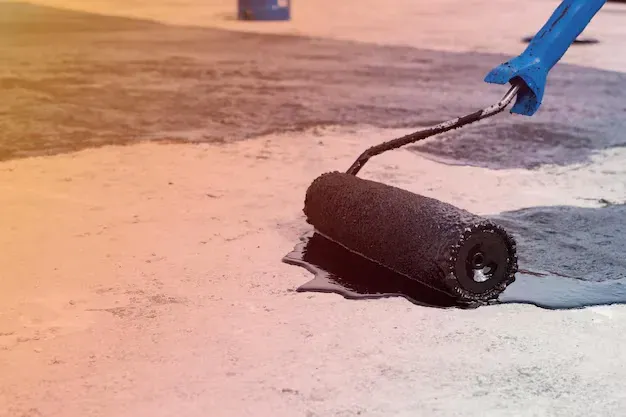
Tar coating, sometimes called asphalt coating or damp proofing, is a layer of asphalt based material applied to the outside of foundation walls. The goal is to create a moisture resistant barrier between the concrete and the wet soil that surrounds it. Because raw concrete is naturally porous, water in the surrounding ground can slowly migrate through it and into a basement or crawl space. The tar layer is meant to slow or stop that migration.
It is worth being precise about the terms here. In the construction world, a tar coating is technically considered "damp proofing" rather than true "waterproofing." Damp proofing resists moisture and water vapor under normal conditions, but it is not designed to hold back standing water or water under pressure. That distinction may sound small, but it is the root of nearly every problem homeowners later run into with tar coated foundations.
How Tar Coating Works
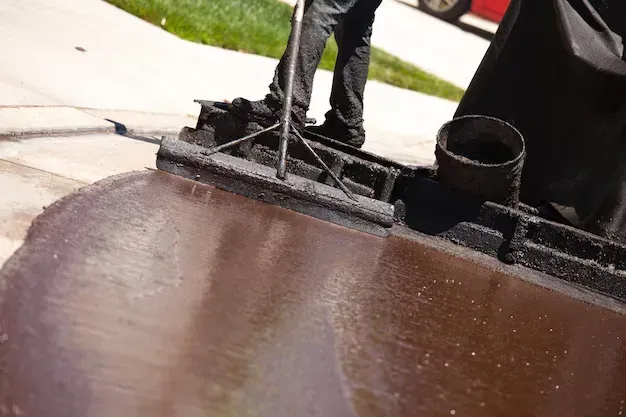
The application process is straightforward, which is part of why it became so popular. After the foundation walls are poured and cured, workers apply the liquid tar to the exterior surface using brushes, rollers, or a spray system. The coating goes on thick and black, then cures into a flexible, water resistant film that bonds to the concrete. Once it sets, the soil is backfilled against the wall, sealing the coating behind the earth.
When everything is fresh and intact, the tar barrier does its job reasonably well. It blocks the everyday moisture and humidity that would otherwise seep through the concrete, helping keep the interior drier. The trouble is that this protection depends entirely on the coating staying continuous and undamaged, and that is rarely the case for long once it is buried.
The Pros of Tar Coating
Tar coating earned its place in construction history for some legitimate reasons. It is inexpensive compared to many modern waterproofing systems, which made it attractive to builders working within a budget. It is also quick and easy to apply, adding little time to the construction schedule. For a brand new foundation in relatively dry soil, a tar coating can provide adequate protection against ordinary ground moisture for a number of years.
In short, tar coating offers a low cost, low effort layer of defense that performs acceptably under mild conditions. For many decades, that was considered good enough, and plenty of homes have stayed reasonably dry because of it.
The Cons and Limitations of Tar Coating
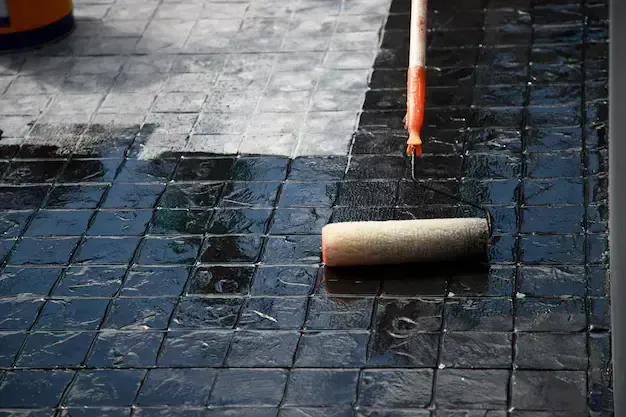
The drawbacks are where this method shows its age. The biggest issue is that tar becomes brittle over time. As the years pass, the coating dries out, hardens, and loses its flexibility. Meanwhile, the foundation behind it expands and contracts with temperature and moisture changes, and the surrounding soil shifts and settles. Eventually the rigid, aging tar cracks, peels, and separates from the wall, opening gaps that let water right back in.
Tar coating also cannot bridge new cracks in the concrete. When a foundation develops a crack, the brittle coating tears along with it rather than sealing it. And because tar is only damp proofing, it offers little defense against hydrostatic pressure, the force created when saturated soil pushes groundwater against the wall. Under that kind of pressure, water finds the smallest weakness and pushes through. If your tar coated foundation is already showing damp spots or seepage, professional
crack and leak repair is usually a far more reliable fix than hoping the old coating will hold.
Finally, tar coating is essentially invisible once the soil is backfilled. You cannot inspect it without excavating, so most homeowners have no idea their coating has failed until water is already coming through the basement wall.
Tar Coating vs. Modern Waterproofing
Today there are far more effective options than a simple tar layer. Modern waterproofing systems use flexible polymer or rubberized asphalt membranes that stay elastic for decades and can stretch slightly to bridge minor cracks. Many of these systems are paired with drainage boards and exterior drain tile that move water away from the wall before it can build pressure.
The key difference comes down to that word again: waterproofing versus damp proofing. A true waterproofing system is engineered to hold back water even under pressure, while tar coating was only ever meant to resist ordinary dampness. In areas with heavy rainfall, high water tables, or expansive clay soils, that gap in performance is significant. This is why most foundation professionals no longer rely on tar alone and instead recommend a complete system that combines a quality membrane, proper drainage, and exterior grading.
Signs Your Tar Coating Is Failing
Since you cannot see the coating directly, you have to watch for the symptoms inside your home. Common warning signs include:
- Damp spots, water stains, or active seepage on basement or foundation walls
- White, chalky efflorescence forming on the concrete surface
- A persistent musty smell that points to ongoing moisture
- Peeling paint or bubbling on interior basement walls
- Visible cracks in the foundation, especially ones that stay wet
- Pooling water near the base of the foundation after rain
Any of these suggests that the original tar barrier is no longer keeping water out and that a more durable solution is needed.
Better and More Lasting Solutions
If your tar coating has failed, patching it is rarely worth the effort because the underlying limitations remain. A more lasting approach addresses water from several angles at once. On the outside, a flexible waterproofing membrane paired with exterior drainage gives water a path away from the wall. Interior solutions such as drain tile and a sump system collect any water that does get in and pump it safely out. Improving the grade around the home and managing roof runoff with gutters and extended downspouts reduces how much water reaches the foundation in the first place.
The right combination depends on your soil, your water conditions, and the specific way water is entering. That is exactly the kind of assessment a foundation professional is equipped to make, rather than guessing and reapplying a coating that is likely to fail again.
When to Call a Professional
Tar coating
problems almost always call for expert evaluation, because the source of the water is hidden behind the soil and the symptoms can mimic other foundation issues. If you are seeing recurring moisture, seepage, efflorescence, or cracks that stay damp, it is time to bring in a contractor who can diagnose the real cause. A professional can determine whether your old damp proofing has failed, whether the foundation needs crack repair, and which modern waterproofing and drainage measures will keep your home dry for the long haul.
The Bottom Line
Tar coating on foundation walls served homes well for many years as a low cost way to resist everyday moisture, but it was never designed to handle standing water, hydrostatic pressure, or the cracks that develop as a foundation ages. If your home relies on an old tar coating, there is a real chance it has already begun to break down out of sight. Recognizing the signs early and upgrading to a proper waterproofing and drainage system is the surest way to protect your foundation and your investment.
If you suspect your foundation's tar coating is failing or you are dealing with basement moisture, the team at Two Bros Foundation Repair can help. Our technicians identify the true source of water intrusion and deliver durable repairs and waterproofing built for Texas conditions. Contact us today for a professional inspection and keep your home protected from the ground up.
Frequently Asked Questions
What is tar coating on a foundation?
Tar coating, sometimes called asphalt coating or damp proofing, is a layer of asphalt based material brushed, rolled, or sprayed onto the outside of foundation walls before the soil is backfilled. Because raw concrete is naturally porous, water in the surrounding ground can migrate through it, and the tar layer is meant to slow or stop that moisture from reaching a basement or crawl space. If you own an older home, there is a good chance your foundation already has a tar coating you have never seen.
Is tar coating waterproofing or damp proofing?
It is damp proofing, not true waterproofing, and that distinction is the root of nearly every problem homeowners run into. Damp proofing resists everyday moisture and water vapor under normal conditions, but it is not designed to hold back standing water or water under pressure. True waterproofing systems are engineered to stop water even under hydrostatic pressure, which is why tar alone often falls short in areas with heavy rain, high water tables, or expansive clay soil.
How long does tar coating on a foundation last?
When freshly applied and not under significant water pressure, a tar coating can resist ordinary ground moisture for roughly ten years or more. The problem is that tar becomes brittle as it ages, drying out and losing flexibility while the foundation expands, contracts, and shifts behind it. Eventually the rigid coating cracks, peels, and separates from the wall, opening gaps that let water back in, often long before homeowners realize it.
What are the signs my foundation's tar coating is failing?
Because the coating is buried and invisible without excavating, you have to watch for symptoms inside the home. Common warning signs include damp spots, water stains, or active seepage on basement walls, white chalky efflorescence on the concrete, a persistent musty smell, peeling paint or bubbling on interior walls, cracks that stay wet, and pooling water near the base of the foundation after rain. Any of these suggests the original barrier is no longer keeping water out.
Can tar coating seal cracks in a foundation?
No. Tar coating cannot bridge new cracks in concrete. When a foundation develops a crack, the brittle coating tears along with it instead of sealing it, which simply creates a new entry point for water. Applying fresh tar over an existing crack does not solve the underlying problem, so visible or active cracks usually need professional crack and leak repair rather than another coat.
Tar coating vs modern waterproofing: which is better?
Modern waterproofing is far more durable. Today's systems use flexible polymer or rubberized asphalt membranes that stay elastic for decades and can stretch to bridge minor cracks, and they are often paired with drainage boards and exterior drain tile that carry water away before pressure builds. Tar was only ever meant to resist ordinary dampness, so in demanding soil and water conditions a complete membrane plus drainage system protects your home much more reliably. See our foundation drainage solutions for how the two work together.
Should I reapply tar coating or replace it if it has failed?
Patching or reapplying tar is rarely worth the effort, because the underlying limitations remain and it is likely to fail again. A lasting fix usually addresses water from several angles at once: a flexible waterproofing membrane and exterior drainage on the outside, interior drain tile and a sump system to remove any water that gets in, and better grading plus extended downspouts to reduce how much water reaches the wall. The right combination depends on your soil and how water is entering, which is exactly what a professional inspection determines. Call Two Brothers Foundation Repair at (832) 345-3577 or request an inspection.