

Is Concrete Porous to Water? What Every Homeowner Must Know
Is concrete porous to water? The short answer is yes, and understanding this fact is essential for protecting your home from moisture damage, mold, and costly foundation repairs. Many homeowners assume that concrete walls and floors are completely waterproof because they look and feel solid. In reality, concrete is filled with millions of microscopic pores that allow water and water vapor to pass through over time. If you have ever walked into a basement and noticed a damp, musty smell or felt unexpected humidity, you have experienced the effects of concrete porosity firsthand. Whether you are dealing with water getting in your basement or want to take preventive steps before problems start, this guide explains why concrete lets water through and what you can do about it.
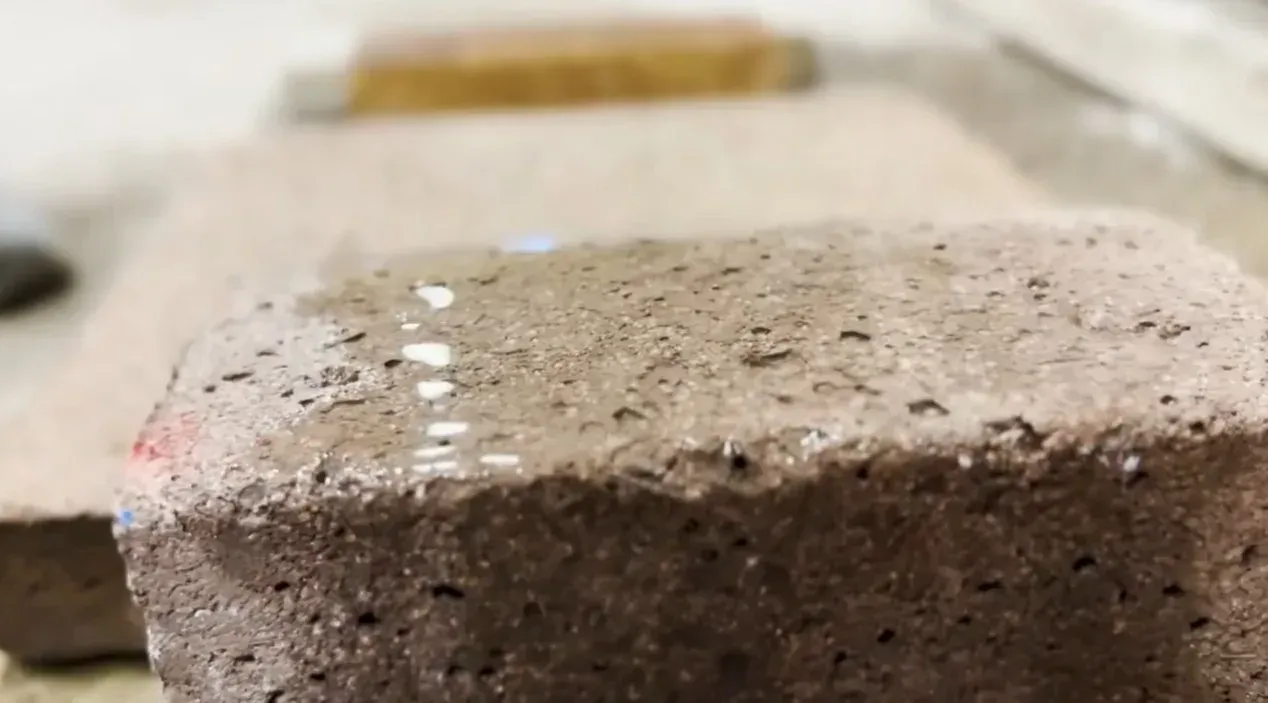
What Makes Concrete Porous?
To understand why concrete allows water to pass through, you need to know how it is made. Concrete is a mixture of cement, sand, gravel or crushed stone, and water. When freshly poured, this mixture contains a significant amount of water that is necessary to make it workable and allow it to flow into forms. As the concrete cures and hardens over the following days and weeks, much of that water evaporates.
As the excess water leaves the concrete during the curing process, it creates a network of tiny capillary channels and voids throughout the material. These microscopic pathways are invisible to the naked eye, but they are larger than water molecules. That means water vapor and even liquid water under pressure can travel through these pores from one side of the concrete to the other. In fact, experts estimate that at least 18 percent of a typical concrete slab is made up of these microscopic pores.
Concrete also develops microcracks over time as it shrinks during curing and as the structure settles. These tiny cracks further increase the material's permeability and give water additional routes to enter your basement or foundation.
How Does Water Get Through Concrete?
Water enters concrete in two primary ways. The first is vapor transmission, where moisture in the surrounding soil slowly migrates through the pore network as water vapor. This is a constant, slow process that happens even when there is no visible standing water outside your foundation. The second and more aggressive mechanism is hydrostatic pressure. When the soil around your foundation becomes saturated from rain, snowmelt, or a rising water table, that water presses against the outside of your concrete walls and floor. This pressure forces liquid water through the pores, cracks, and joints in the concrete.
Once moisture begins moving through the pores, a process called capillary action takes over. Capillary action is the tendency of water to be drawn through narrow spaces, and it means that once concrete gets damp, it actively pulls in more moisture from the surrounding soil. Over time, this continuous cycle of water movement dissolves the calcium compounds in the cement paste, gradually enlarging the pore network and making the concrete even more permeable.
Signs That Water Is Getting Through Your Concrete
Concrete porosity can cause problems that develop slowly, which is why many homeowners do not recognize the issue until significant damage has already occurred. Here are the most common signs that water is penetrating your concrete foundation.
A persistent musty or damp smell in the basement is often the earliest indicator. You may also notice increased humidity levels, even when no visible water is present. White, powdery deposits on the surface of concrete walls or floors, known as efflorescence, are a clear sign that water has been moving through the material and leaving mineral salts behind. Damp spots, discoloration, or water stains on walls and floors point to active moisture migration. Peeling or bubbling paint on basement walls indicates moisture trapped behind the surface. Mold or mildew growth along the lower portions of walls or in corners confirms that humidity levels have been elevated for an extended period. Condensation forming on cold concrete surfaces such as basement floors is another common symptom of vapor intrusion.
If you are noticing any of these warning signs, it is important to act before the problem escalates into structural damage or health concerns.
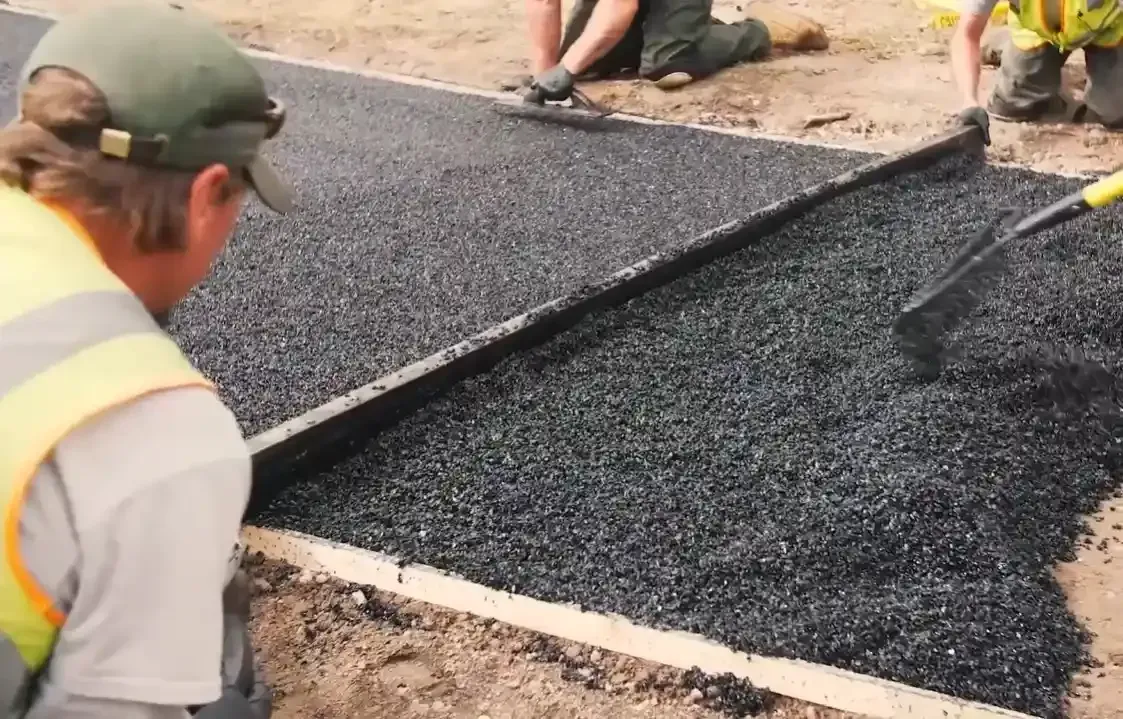
Concrete Porosity vs. Waterproofing Solutions: A Comparison
| Solution | How It Works | Best For |
|---|---|---|
| Penetrating Concrete Sealer | Soaks into the pores of the concrete and reacts chemically to block the capillary channels from the inside. | Reducing vapor transmission through walls and floors. A good first step but not a standalone solution for heavy water pressure. |
| Interior Drainage System | A perforated pipe installed beneath the basement floor around the perimeter collects water before it pools and channels it to a sump pump. | Homes with active water seepage or hydrostatic pressure. The most effective long term solution for wet basements. |
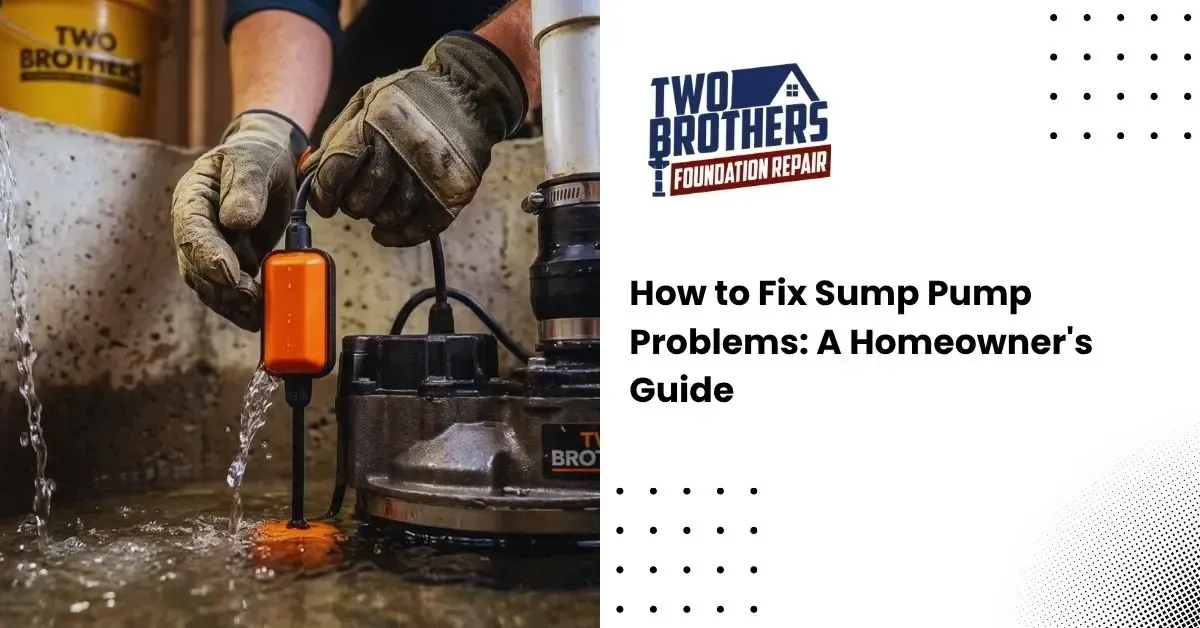
| Sump Pump | Receives water from the drainage system and pumps it away from the foundation to a safe discharge point. | Every basement with an interior drainage system. Essential for removing collected water and preventing flooding. |
| Wall Vapor Barrier | A thick, durable membrane attached to interior basement walls that directs any moisture entering through pores down into the drainage system. | Controlling moisture migration through porous walls. Works best in combination with drainage and sump pump systems. |
| Exterior Waterproofing Membrane | A thick coating applied to the outside of foundation walls after excavation, creating a permanent water barrier. | New construction or severe water intrusion problems. More costly and invasive but provides a complete exterior seal. |
| Basement Dehumidifier | Removes excess moisture from the air to control humidity levels and discourage mold growth. | Supplementing other waterproofing measures. Not effective as a standalone fix but improves indoor air quality significantly. |
Why Concrete Porosity Matters for Your Foundation
The porosity of concrete is not just a basement comfort issue. It has real consequences for the structural health of your entire home. When water continuously passes through concrete, it dissolves calcium and other compounds in the cement paste. Over time, this weakens the concrete and makes it more prone to cracking and deterioration. Small cracks become larger cracks, which allow even more water to enter, creating a cycle that accelerates damage.
Excess moisture also creates the perfect environment for mold and mildew, which can spread rapidly in a damp basement and affect indoor air quality throughout the house. In areas like Houston, where clay heavy soils and heavy rainfall are common, these problems can develop faster than many homeowners expect. If you have already noticed cracks and leaks in your foundation, addressing the moisture source is just as important as repairing the visible damage.
How to Protect Your Home from Water Penetrating Concrete
Since you cannot change the fact that concrete is porous, the goal is to manage and redirect water before it becomes a problem. Here are the most effective strategies.
Start by controlling the water outside your home. Make sure your gutters are clean and your downspouts extend at least four to six feet away from the foundation. The soil around your home should slope away from the walls so rainwater flows outward rather than pooling against the concrete. These simple grading and drainage improvements can dramatically reduce the amount of water pressing against your foundation.
For basements that are already showing signs of moisture, a professional interior waterproofing system is the most reliable solution. An interior drainage system installed around the perimeter of your basement, combined with a sump pump and a wall vapor barrier, captures water as it enters and removes it before it can cause damage. This approach works with the natural behavior of porous concrete rather than trying to fight it.
Applying a penetrating concrete sealer can also help reduce vapor transmission through walls and floors, though it should be viewed as one layer in a comprehensive waterproofing strategy rather than a complete fix on its own.
Protect Your Home with Two Brothers Foundation Repair
Concrete’s porous nature is a fact of construction, but it does not have to mean a wet, damaged basement. With the right waterproofing solutions in place, you can keep your home dry, healthy, and structurally sound for decades to come.
At Two Brothers Foundation Repair, we specialize in basement waterproofing, foundation drainage solutions, and structural repair for homeowners across the greater Houston area. Our team provides free inspections, transparent recommendations, and expert installations backed by over 20 years of experience and a lifetime transferable warranty.
If you suspect water is making its way through your concrete foundation, do not wait for the damage to grow. Call Two Brothers Foundation Repair at 832-412-2791 or visit our website to schedule your free consultation today.