

What Is a Construction Joint in Concrete? A Complete Guide
What is a construction joint in concrete, and why does it matter for the health of your home's foundation? If you have ever noticed a visible line or seam where two sections of concrete meet on your basement wall, garage floor, or driveway, you have likely seen a construction joint. These planned breaks are a normal and necessary part of how concrete structures are built, but they can also become weak points where water enters, cracks develop, and structural problems begin. Whether you have spotted cracks in your garage foundation wall or want to learn how your foundation was put together, this guide explains what construction joints are, why they exist, and when they need attention.
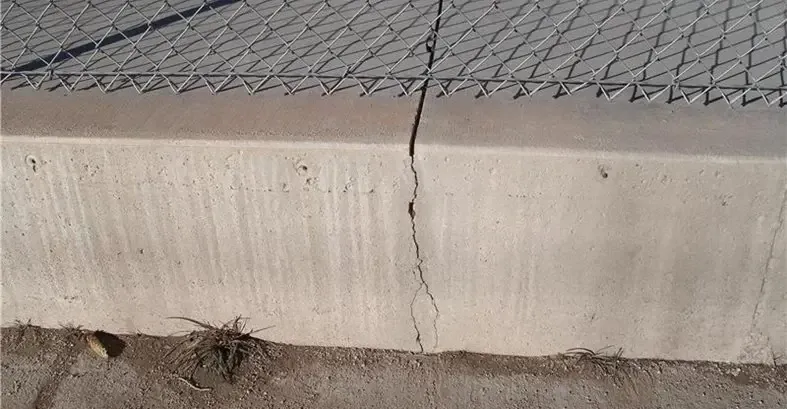
What Is a Construction Joint in Concrete?
A construction joint is a planned interface between two separate concrete placements that were poured at different times. Unlike cracks, which happen randomly and indicate a problem, construction joints are intentional and are part of the building plan from the start.
Concrete projects are rarely completed in a single, continuous pour. Foundations, walls, slabs, and driveways are often too large or too complex to be poured all at once. When the work stops at the end of a day or between phases, the concrete that has already been placed begins to cure and harden. When new concrete is poured against that hardened section the next day or later, the point where the two placements meet becomes a construction joint.
Steel reinforcement bars, known as rebar, typically extend across construction joints to maintain structural continuity and ensure that loads are transferred properly between the two sections. The surface of the hardened concrete is also cleaned and roughened before the new pour to promote a strong bond. When done correctly, a construction joint allows the structure to function as one unified element even though it was built in stages.
Why Are Construction Joints Necessary?
Construction joints serve several important purposes in concrete work. The most fundamental reason is logistics. Large concrete structures simply cannot be poured in one continuous session. Foundations for homes, commercial buildings, and infrastructure projects require multiple pours spread across hours or days, and construction joints provide a controlled, engineered way to connect those separate placements.
Beyond logistics, construction joints help manage the quality of the final product. Pouring too much concrete at once can lead to problems with curing, finishing, and compaction. By dividing the work into manageable sections, contractors can ensure each placement is properly vibrated, leveled, and finished before it sets.
Construction joints also play a role in load transfer. In slabs and pavements, properly designed joints with dowel bars or keyed surfaces ensure that weight and traffic loads are distributed evenly across the joint, preventing one section from sinking or lifting relative to its neighbor.
Construction Joints vs. Other Concrete Joints
One of the most common sources of confusion for homeowners is understanding the difference between the various types of joints found in concrete structures. Here is how construction joints compare to the other main joint types.
| Joint Type | Purpose | How It Is Created |
|---|---|---|
| Construction Joint | Connects two concrete placements that were poured at different times. Maintains structural continuity between sections. | Formed naturally when work stops and resumes. Rebar extends across the joint and the hardened surface is cleaned and roughened before new concrete is placed. |
| Control (Contraction) Joint | Creates a weakened plane in the slab so that inevitable shrinkage cracking occurs along a straight, controlled line rather than randomly. | Sawed, tooled, or formed into the surface of fresh concrete within the first 24 hours. Typically cut to one quarter of the slab depth. |
| Expansion Joint | Allows the concrete to expand and contract freely with temperature and moisture changes without pushing against adjacent structures. | A compressible filler material is placed between two sections of concrete, creating a full depth gap that absorbs movement. |
| Isolation Joint | Completely separates the slab from an adjacent structural element such as a wall, column, or footing to allow independent movement. | A full depth separation filled with a flexible material is placed around columns, walls, or footings before the slab is poured. |
| Cold Joint (Defect) | An unplanned weak point that forms when fresh concrete is placed against partially set concrete without proper preparation. This is a construction defect, not an intentional joint. | Occurs when there is a delay during a pour and the first batch begins to set before the next batch arrives. No surface preparation or bonding steps are taken. |
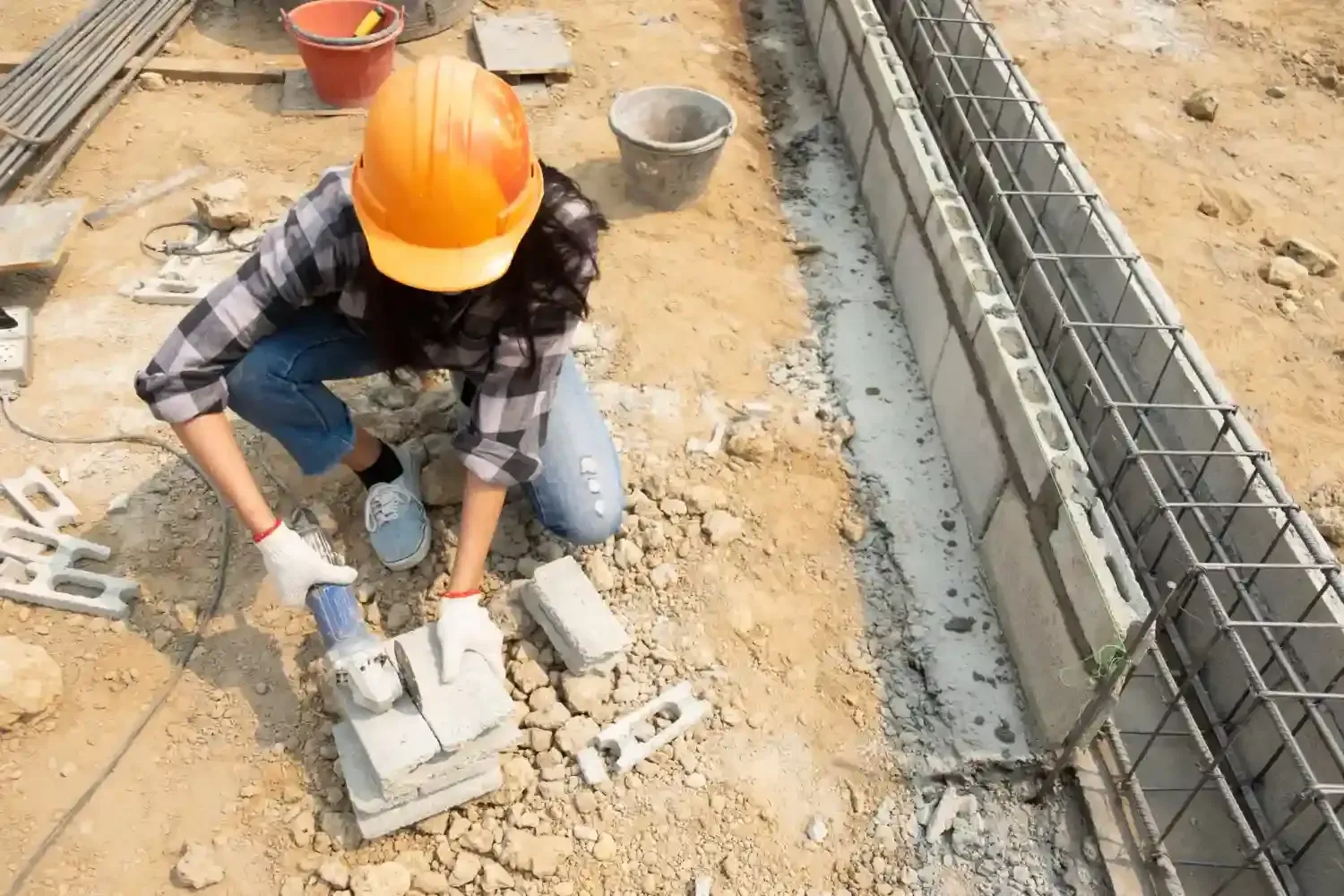
Where Are Construction Joints Found in Your Home?
Construction joints are present in nearly every concrete structure, and your home is no exception. Understanding where they are located can help you identify potential problem areas before they become serious.
The most common location is where the foundation wall meets the footing. The footing is always poured first and allowed to cure before the wall is built on top of it. This creates a horizontal construction joint at the base of every foundation wall in your home. In homes with basements, you will often find construction joints where the basement floor slab meets the walls, as the floor is typically poured after the walls are in place.
Garage floors, driveways, and large patio slabs that were poured in sections will also have construction joints where the separate placements meet. In multistory construction, each floor level creates a construction joint between the lower and upper wall sections. Even seemingly simple structures like retaining walls and concrete steps can contain construction joints if the work was completed in more than one pour.
When Do Construction Joints Become a Problem?
While construction joints are normal and expected, they can become a source of trouble if they were not properly built or if conditions change over time. The joint between the foundation wall and the footing is one of the most common locations for water infiltration in homes with basements. This is the same area often referred to as the cove joint, and it is highly susceptible to leaks caused by hydrostatic pressure from saturated soil pressing against the foundation.
Signs that a construction joint is failing include visible water seepage along the joint line, white mineral deposits (efflorescence) forming at the seam, cracks developing along or near the joint, damp or musty odors in the basement, and staining or discoloration on the concrete surface near the joint. In more severe cases, the joint may allow enough water intrusion to cause mold growth, damage to stored belongings, or even compromise the structural bond between the two concrete sections.
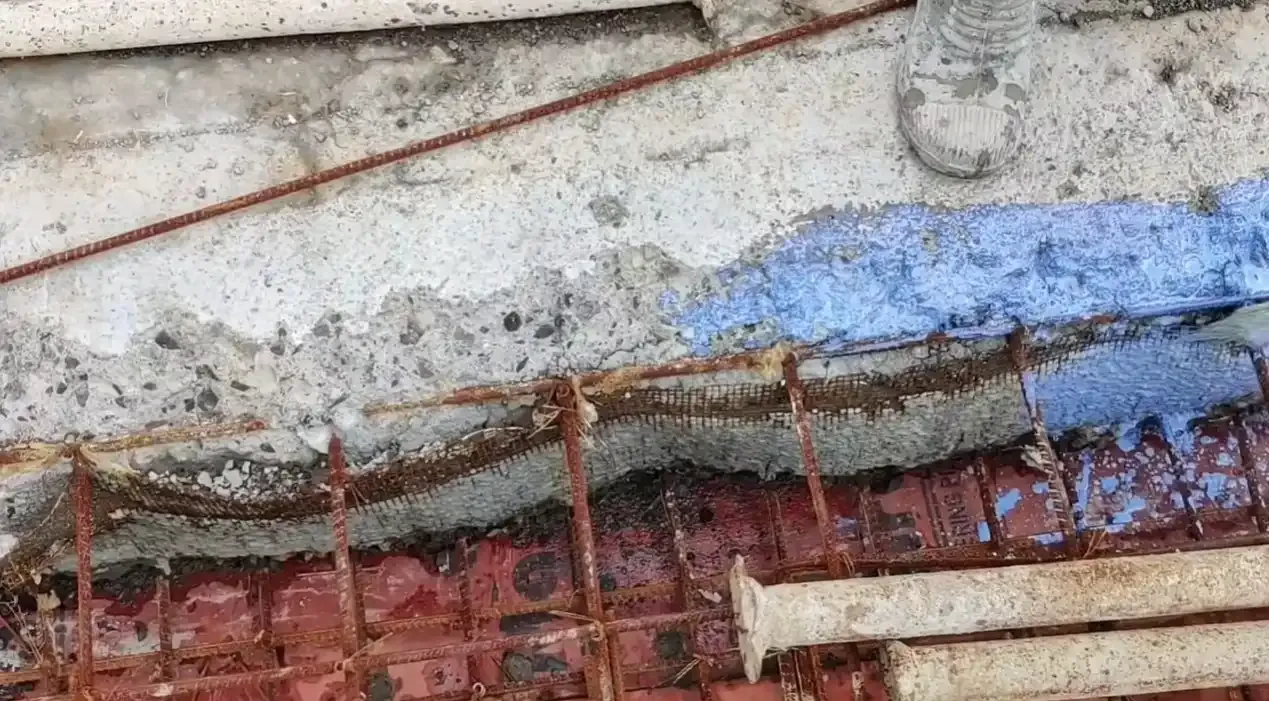
Poor surface preparation during the original construction is a leading cause of joint failure. If the hardened concrete was not properly cleaned, roughened, or wetted before the new pour, the bond between the two sections will be weak from the start. Soil movement, settlement, and the freeze thaw cycle can further stress these weak bonds over time.
How to Protect and Repair Construction Joints
The best approach to managing construction joints depends on the severity of the problem. For joints that are showing early signs of moisture but no structural damage, improving exterior drainage is a smart first step. Clean your gutters, extend your downspouts away from the foundation, and make sure the soil around your home slopes away from the walls to reduce the amount of water reaching the joint.
For joints that are actively leaking, professional waterproofing is the most reliable solution. An interior drainage system installed around the perimeter of your basement collects water as it enters through the joint and channels it to a sump pump, which removes it from the home. Combined with a wall vapor barrier, this system addresses the root cause by managing hydrostatic pressure rather than simply trying to seal the surface. A qualified foundation drainage solutions team can evaluate your specific situation and recommend the right combination of repairs.
If the construction joint has deteriorated to the point where structural concerns are present, such as significant cracking, displacement, or wall movement, a foundation repair specialist should assess the damage. Repairs may involve epoxy or polyurethane injection to seal the joint, carbon fiber reinforcement to stabilize walls, or underpinning with steel piers to address settlement issues beneath the footing.
Can Construction Joint Problems Be Prevented?
While you cannot eliminate construction joints from your home's structure, you can take steps to prevent them from becoming a source of trouble. Here are the most effective preventive measures.
Control the water around your foundation. Proper grading, clean gutters, and downspouts that discharge well away from the house are the simplest and most cost effective ways to reduce hydrostatic pressure on your foundation walls and joints. Monitor your basement regularly by checking for dampness, stains, or odors along the base of the walls where the most vulnerable construction joints are located. Address small cracks early, because even minor cracks near a construction joint can worsen quickly under pressure and allow significant water intrusion over time.
If your home is in an area prone to heavy rainfall, expansive clay soils, or a high water table, investing in professional waterproofing before problems appear is one of the smartest decisions you can make. A proactive interior drainage system costs far less than emergency foundation repairs after water damage has already occurred.
Protect Your Home with Two Brothers Foundation Repair
Construction joints are a necessary part of how concrete structures are built, but when they begin to leak, crack, or deteriorate, they can put your home’s foundation and your family’s comfort at risk. The good news is that with professional assessment and the right repair strategy, construction joint problems are completely fixable.
At Two Brothers Foundation Repair, we serve homeowners across the greater Houston area with expert foundation repair, basement waterproofing, and drainage solutions. We provide free inspections, honest recommendations, and quality workmanship backed by over 20 years of experience and a lifetime transferable warranty.
If you have noticed signs of water seepage, cracking, or deterioration along the joints in your foundation, do not wait for the damage to spread. Call Two Brothers Foundation Repair at 832-412-2791 or visit our website to schedule your free consultation today.