

Crawl Space Dehumidifiers: Benefits, Sizing and Cost
Crawl space dehumidifiers can be the difference between a dry, healthy space under your home and a damp environment that quietly breeds mold, rots floor joists, and pushes musty air into your living rooms. Because a crawl space foundation sits directly over exposed or barely covered soil, it naturally collects ground moisture and humid outdoor air. The right dehumidifier, installed under the right conditions, keeps that humidity in check year round. The wrong approach, however, wastes money treating a symptom while the real moisture source keeps feeding the problem.
This guide covers what crawl space dehumidifiers actually do, when you need one, how to size the unit correctly, what they cost, and the preparation work that determines whether your dehumidifier succeeds or runs endlessly without results.
Why Crawl Space Moisture Is a Bigger Problem Than It Looks
Out of sight should never mean out of mind. Excess humidity under your home causes damage on several fronts at once:
- Mold and mildew growth. Once relative humidity stays above roughly 60 percent, mold can colonize wood framing, insulation, and stored items.
- Wood rot and structural damage. Chronically damp floor joists, beams, and subflooring soften and decay, eventually causing sagging floors and expensive structural repairs.
- Pest attraction. Termites, carpenter ants, and rodents all seek out damp, dark spaces.
- Poor indoor air quality. Due to the stack effect, a large share of the air in your first floor rises up from the crawl space. Musty odors, mold spores, and humidity travel with it.
- Higher energy bills. Humid air is harder to heat and cool, so your HVAC system works overtime.
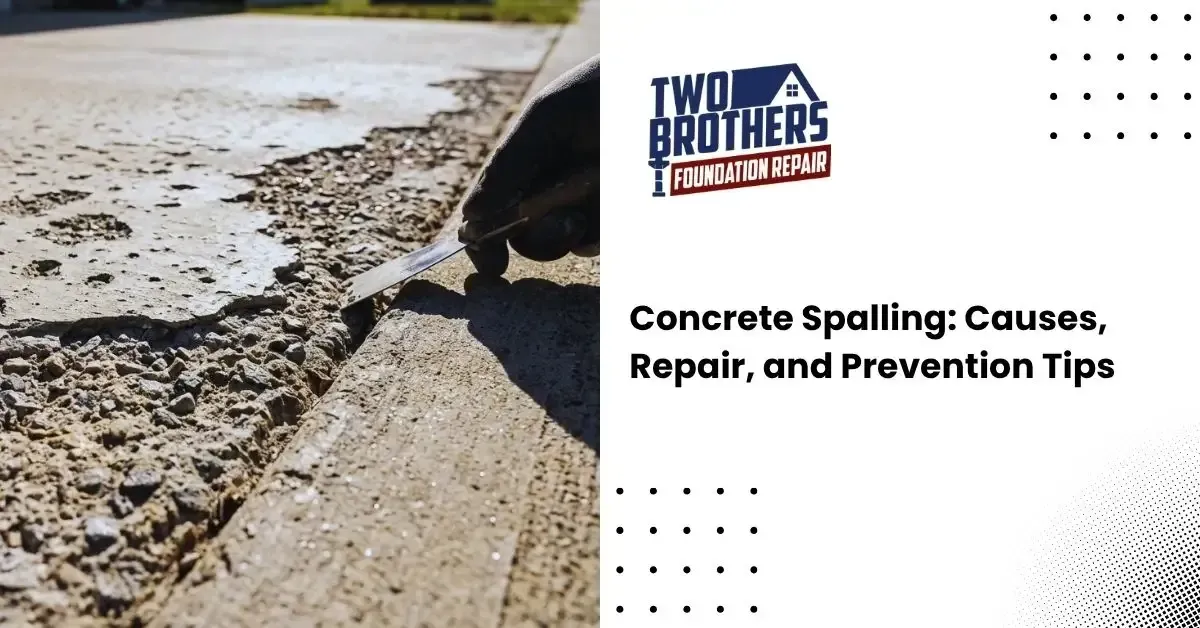
- Foundation deterioration. Persistent moisture attacks masonry and concrete over time. Since concrete is porous to water, damp soil and humid air slowly work into foundation walls and piers, accelerating cracking and spalling.
Climate makes this worse in humid regions. Across the Gulf Coast, outdoor humidity sits high for much of the year, so vented crawl spaces constantly pull in air that condenses on cooler surfaces below the house. Homes in these climates rarely dry out on their own, which is why active moisture control has become standard practice rather than an optional upgrade.
Signs You Need a Crawl Space Dehumidifier
Watch for these warning signs that humidity under your home is out of control:
- Musty or earthy odors inside the house, especially on the first floor
- Condensation on ducts, pipes, or the underside of the subfloor
- Visible mold on joists, beams, or insulation
- Sagging, damp, or falling fiberglass insulation
- Buckling or cupping hardwood floors above the crawl space
- Relative humidity readings above 60 percent on a hygrometer placed in the crawl space
- Increased allergy symptoms or respiratory irritation indoors
Any one of these is worth investigating. Two or more together almost always mean the crawl space needs active moisture control.
When Crawl Space Dehumidifiers Work and When They Fail
Here is the truth that many product listings skip: a dehumidifier controls humidity in the air, but it cannot stop moisture from entering the crawl space. That distinction decides whether your investment pays off.
Dehumidifiers Work Best in a Sealed Space
A dehumidifier performs well when the crawl space has already been closed off from its moisture sources: vents sealed, a heavy vapor barrier covering the soil, and gaps air sealed. This is exactly what professional
crawl space encapsulation accomplishes. In an encapsulated crawl space, the dehumidifier only has to manage a small, controlled moisture load, so it cycles efficiently, lasts longer, and holds humidity exactly where you set it.
Dehumidifiers Fail in Open, Wet Crawl Spaces
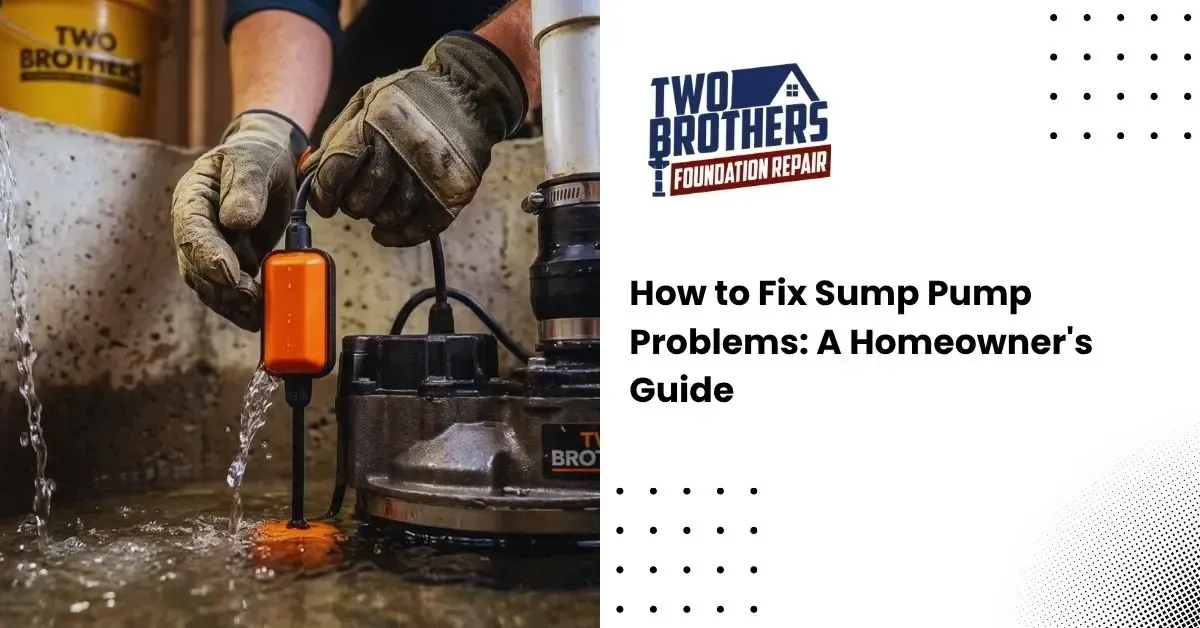
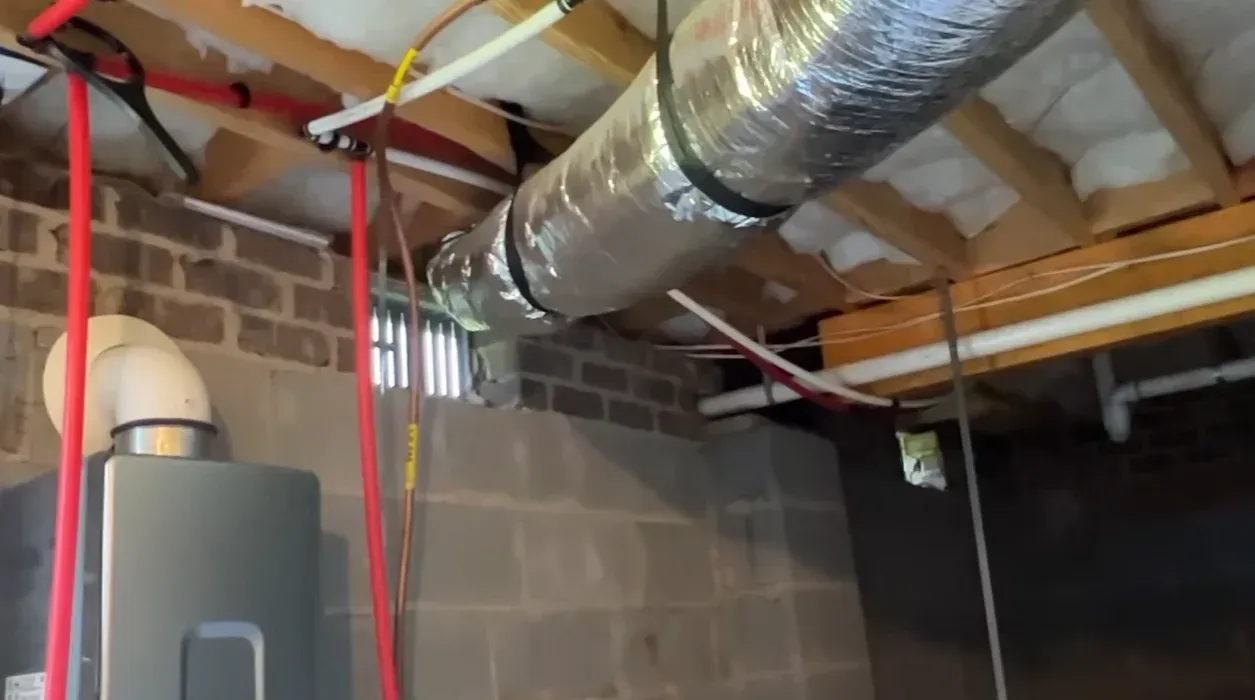
Drop the same unit into a vented crawl space with bare earth and open air leaks, and it will run nonstop trying to dry the entire outdoors. Humid air pours in faster than the machine can remove it, energy costs climb, and the moisture problems continue. Standing water, plumbing leaks, and drainage failures must also be corrected first - no dehumidifier is designed to deal with liquid water. If water pools under your home, drainage repairs come first, sometimes including a sump pit to collect and pump water safely away before any dehumidifier is installed.
The Right Order of Operations
- Fix active water problems: plumbing leaks, standing water, and exterior drainage
- Seal the space: vapor barrier over the soil, sealed vents, air sealed penetrations
- Then install a properly sized crawl space dehumidifier to maintain the dry conditions
Where subsurface water is part of the problem, professional crawl space repair addresses damaged framing, failed vapor barriers, and drainage in one coordinated project, so the dehumidifier you install afterward actually gets to do its job.
How to Size Crawl Space Dehumidifiers
Crawl space dehumidifiers are rated by how many pints of water they remove per day. Sizing depends on the square footage of the space and how damp it is:
| Crawl Space Size | Moderately Damp | Very Damp or Wet |
|---|---|---|
| Up to 1,500 sq. ft. | 50-70 pints per day | 70-90 pints per day |
| 1,500-2,500 sq. ft. | 70-90 pints per day | 90-120 pints per day |
| 2,500-3,500 sq. ft. | 90-120 pints per day | 120-150 pints per day |
When in doubt, size up slightly. An oversized unit cycles comfortably, while an undersized one runs constantly and wears out early. Beyond capacity, look for these features:
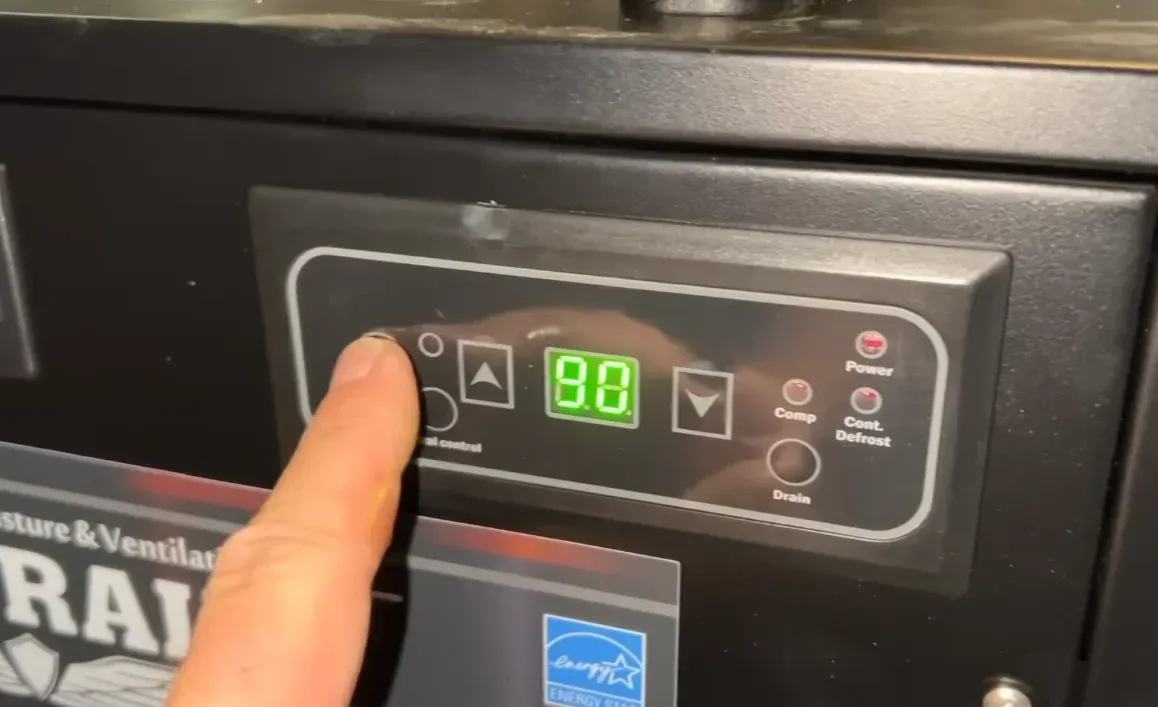
- Built in condensate pump so collected water discharges automatically outside or to a drain, with no bucket to empty
- Adjustable humidistat that holds the space at a target level, ideally around 50 to 55 percent relative humidity
- Low temperature operation with auto defrost, since crawl spaces run cooler than living areas
- Low profile, ducted ready design built to fit tight crawl space clearances
- Energy efficient certification to keep operating costs down on a unit that runs year round
- Washable air filter to trap dust and spores while protecting the coils
What Do Crawl Space Dehumidifiers Cost?
Portable household dehumidifiers sell for as little as $150 to $300, but they are not built for crawl space conditions and rarely survive them. Purpose built crawl space units typically cost $800 to $2,000 depending on capacity and features, with professional installation adding several hundred dollars for placement, condensate routing, and electrical work. If the space needs sealing first, full encapsulation is a larger investment, but it is the step that makes the dehumidifier effective and delivers the energy savings, air quality, and structural protection homeowners are actually after. Viewed against the cost of replacing rotted floor framing or remediating widespread mold, a properly installed moisture control system is inexpensive insurance.
Installation and Maintenance Best Practices
A few details separate a professional installation from a unit simply dropped in the dirt:
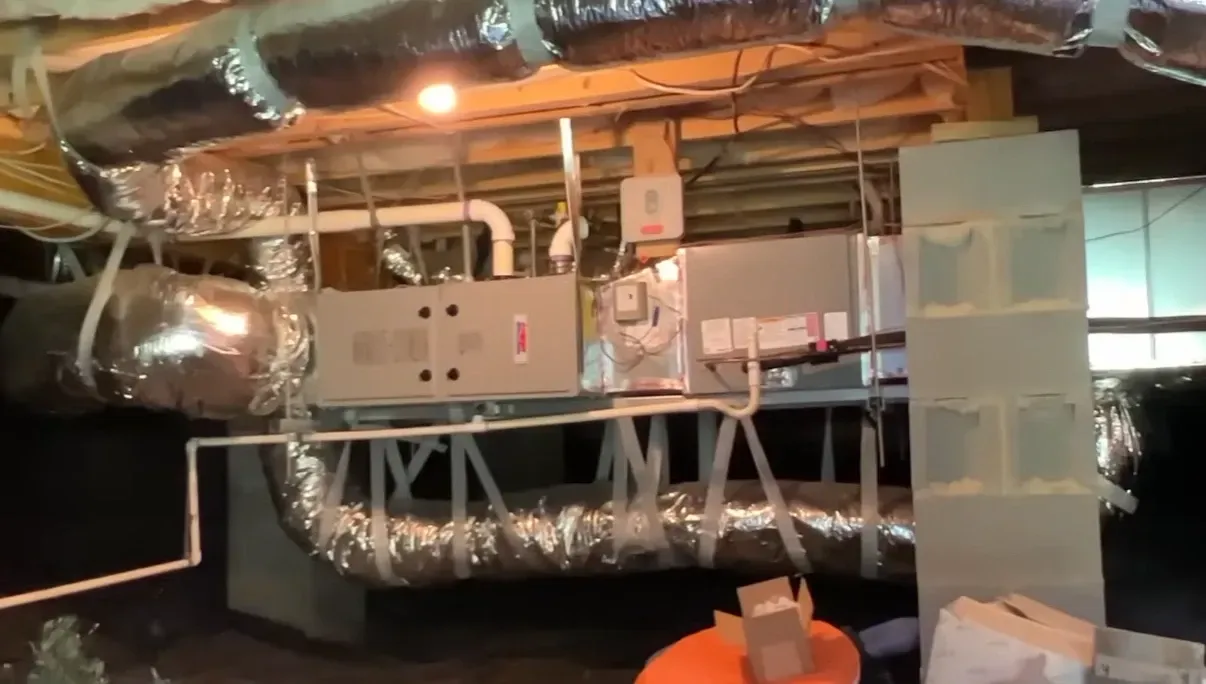
- Place or hang the unit centrally with clear airflow, never directly on exposed soil
- Route the condensate line downhill to daylight, a sump, or a drain, and test it before closing up
- Set the humidistat between 50 and 55 percent, low enough to stop mold without over drying wood framing
- Clean or replace the filter every three to six months and check the drain line for clogs
- Verify readings with a separate hygrometer once a season rather than trusting the unit alone
Outside the crawl space, keep moisture away from the foundation in the first place. Well maintained gutter and downspout drainage moves roof runoff away from the perimeter, and smart landscaping around the house to prevent water problems reduces how much ground moisture ever reaches the soil beneath your home. The less water arriving at the crawl space, the easier and cheaper it is to keep dry.
Get Your Crawl Space Professionally Evaluated
Crawl space dehumidifiers deliver excellent results when they are matched to a properly prepared space, and disappointing ones when they are asked to fight an open moisture source alone. The team at Two Brothers Foundation Repair inspects your crawl space, identifies exactly where moisture is coming from, and builds the right solution in the right order, from drainage and repair to encapsulation and dehumidification. Contact us today for a free evaluation and put a permanently dry crawl space under your home.
Frequently Asked Questions
What humidity level should a crawl space be?
Aim for 50 to 55 percent relative humidity. Below 60 percent, mold growth is inhibited; going far below 50 percent wastes energy and can over dry wood framing.
Can I just use a regular dehumidifier in my crawl space?
It is not recommended. Standard household units are not rated for cool temperatures, continuous operation, or unconditioned spaces, and most lack condensate pumps. Crawl space rated dehumidifiers are engineered for exactly these conditions and last far longer.
Do crawl space dehumidifiers run all the time?
In a sealed crawl space, no. The unit cycles on when humidity rises above your set point and shuts off once conditions are restored. Constant running usually means the space is unsealed, the unit is undersized, or a water problem is feeding new moisture in.
Do I need encapsulation before installing a dehumidifier?
In most cases, yes. Encapsulation seals out the ground moisture and outdoor air that would otherwise overwhelm the unit. A dehumidifier in an unsealed crawl space treats the symptom while the source keeps working against it.
Will a crawl space dehumidifier help my allergies?
It often does. Because much of your first floor air rises out of the crawl space, controlling humidity down there reduces the mold spores, dust mites, and musty odors circulating through your home, which many households notice as easier breathing and fewer allergy flare ups.
How long do crawl space dehumidifiers last?
A quality crawl space rated unit typically lasts five to ten years with basic maintenance. Lifespan depends heavily on conditions: a sealed, encapsulated space lets the unit cycle gently, while an open, damp crawl space forces continuous running that can wear a machine out in just a few seasons.