

Wall Crack Repair and Foundation Stability Explained
Wall crack repair and foundation stability are two sides of the same coin. A crack in your foundation wall is rarely just a cosmetic flaw - it is your home telling you how the structure underneath is behaving. Some cracks are harmless byproducts of concrete curing, while others are early warnings of soil pressure, settlement, or water damage that will only get worse with time. The challenge for homeowners is knowing the difference. Many hairline cracks fall into the category of normal house settling cracks and simply need monitoring, but wider, growing, or horizontal cracks demand professional attention.
In this guide, we explain how wall cracks and foundation stability are connected, how to read the type of crack you are seeing, and which repair methods actually restore long term structural strength instead of just hiding the symptom.
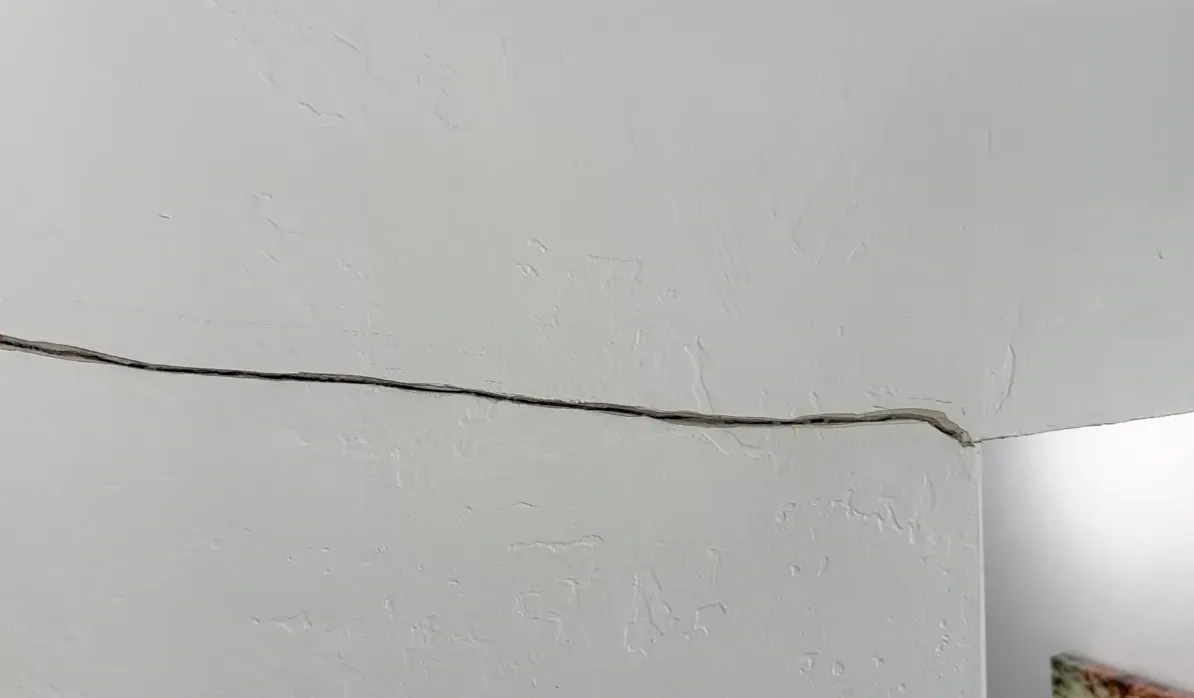
Why Wall Cracks and Foundation Stability Are Connected
Your foundation walls carry the weight of the entire home while resisting pressure from the soil around them. When that balance is disturbed, the concrete or masonry cracks at its weakest points. The most common forces behind wall cracks include:
- Expansive soil movement. Clay heavy soils swell when wet and shrink when dry, pushing and pulling on foundation walls through every season. This cycle is especially aggressive across Texas.
- Hydrostatic pressure. Water saturated soil presses inward against basement and foundation walls. Over time this lateral pressure can crack and even bow a wall.
- Differential settlement. When one section of the foundation sinks faster than another, the structure twists slightly and cracks open along the stress lines.
- Poor construction or curing. Weak concrete mixes, missing reinforcement, or rushed curing leave walls prone to shrinkage cracks from day one.
This is why proper wall crack repair and foundation stability work always go together. Sealing a crack without addressing the force that created it is a temporary patch, and the crack will usually return or reappear somewhere nearby.
Types of Foundation Wall Cracks and What They Mean
The direction and pattern of a crack tells you a great deal about what is happening behind the wall.
| Crack Type | Typical Cause | Severity |
|---|---|---|
| Vertical | Concrete shrinkage or minor settling | Usually low, monitor for growth |
| Diagonal | Differential settlement of the foundation | Moderate, inspection recommended |
| Stair step (in brick or block) | Foundation movement along mortar joints | Moderate to high |
| Horizontal | Lateral soil or water pressuree | HillHigh, structural risk |
Vertical Cracks
Vertical cracks are the most common and usually the least serious. Most form as poured concrete shrinks during curing or as the home settles slightly in its first years. Keep an eye on width: hairline cracks under 1/8 inch are typically low risk, while anything approaching 1/4 inch or actively widening deserves a professional look.
Diagonal and Stair Step Cracks
Cracks running at an angle, or stepping through the mortar joints of brick and block walls, usually point to uneven settlement. One side of the foundation is dropping relative to the other, and the wall is tearing along the path of least resistance. These cracks often show up alongside sticking doors and sloping floors.
Horizontal Cracks
A horizontal crack in a foundation or basement wall is the one you should never ignore. It means soil or water pressure is pushing the wall inward, and it is often the first stage of a bowing wall. If you can see inward curvature developing, our guide to
bowing walls in a house explains why this happens and why fast action matters for the stability of the whole structure.
Warning Signs a Crack Is Threatening Foundation Stability
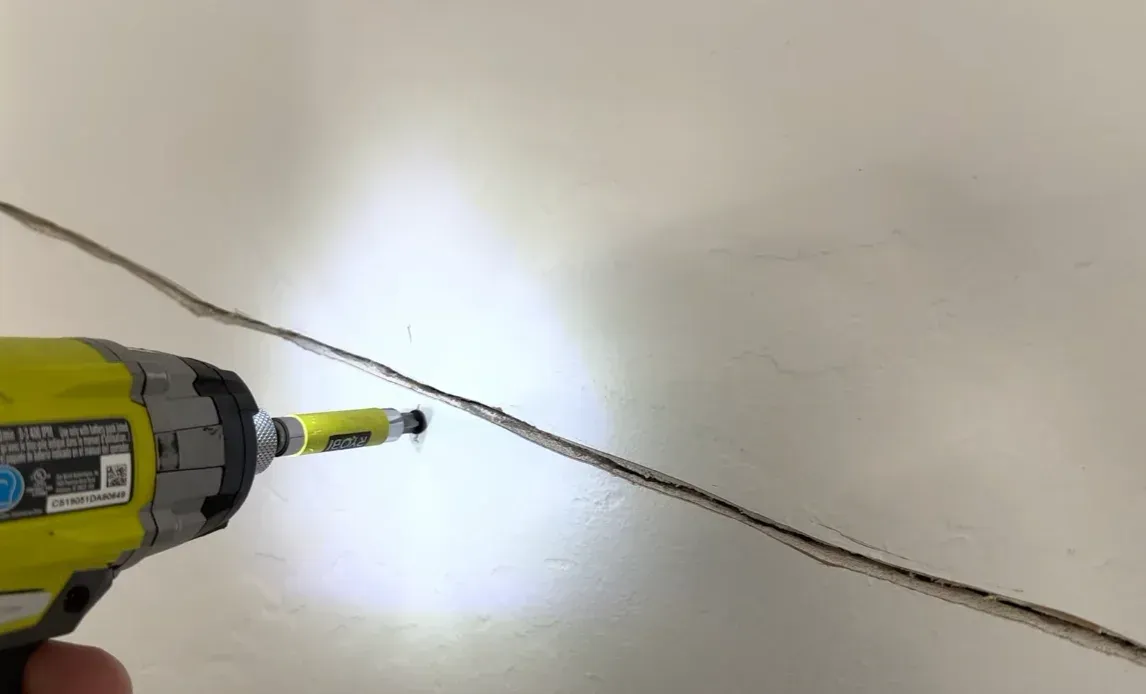
Beyond the crack itself, watch for these signals that the underlying foundation is moving:
- Cracks wider than 1/4 inch, or any crack that keeps growing after you mark and date its ends
- Walls that bow, lean, or bulge inward
- Doors and windows that suddenly stick, or gaps opening around their frames
- Sloping or bouncy floors above the cracked wall
- Water seeping through the crack after rain, or white mineral deposits on the wall surface
- New drywall cracks upstairs that line up with the foundation crack below
One or two of these signs together is enough reason to schedule a professional inspection. Early evaluation is inexpensive compared to the cost of letting a structural problem mature.
Wall Crack Repair Methods That Restore Foundation Stability
The right repair depends on the crack type, its cause, and whether the wall is still structurally sound. A professional foundation crack and leak repair service will match the method to the diagnosis rather than applying a one size fits all fix.
Epoxy Injection
For stable, non moving cracks, structural epoxy is injected into the full depth of the crack, where it cures harder than the surrounding concrete. This welds the wall back together and restores its original strength. Epoxy is best for cracks under about 1/4 inch that are not caused by active soil movement.
Polyurethane Foam Injection
When the main problem is water intrusion, expanding polyurethane foam seals the crack with a flexible, waterproof barrier. Because the cured foam can flex slightly, it tolerates minor seasonal movement without reopening, making it ideal for leaking cracks in basement walls.
Carbon Fiber Reinforcement
For walls showing early bowing or horizontal cracking, carbon fiber straps are bonded vertically across the wall face. Carbon fiber has enormous tensile strength, locking the wall in place so pressure cannot push it further inward. It is low profile, permanent, and far less invasive than rebuilding the wall.
Wall Anchors and Steel Bracing
Walls with more advanced bowing may need wall plate anchors or steel I beam braces. Anchors connect the wall to stable soil away from the foundation and can gradually pull the wall back toward plumb, while steel braces hold the wall rigid against further movement.
Underpinning and Soil Stabilization
If the cracks trace back to a sinking foundation, the wall repair must be paired with underpinning. Solutions like helical pier installation transfer the weight of the home to stable soil or bedrock far below the shifting surface layers. In some cases, pressure grouting is used to fill voids and densify weak soil beneath the foundation. Once the structure is properly supported, the wall cracks can be repaired with confidence that they will not reopen.
Fix the Root Cause: Water and Soil Management
Almost every serious wall crack has water in its backstory. Long term foundation stability depends on keeping moisture levels around your home consistent:
- Extend downspouts. Discharge roof water at least five feet away from the foundation so it cannot saturate the backfill soil against your walls.
- Correct the grading. The ground should slope away from the house roughly six inches over the first ten feet, moving runoff away instead of toward the walls.
- Install proper drainage. Where surface fixes are not enough, professional French drain installation intercepts subsurface water before it can build hydrostatic pressure against the foundation.
- Water evenly in droughts. In expansive clay regions, keeping soil moisture consistent during dry spells prevents the shrink and swell cycle that opens cracks.
- Manage tree roots. Large trees close to the home draw moisture from the soil unevenly, contributing to differential settlement near the roots.
How to Monitor a Wall Crack at Home
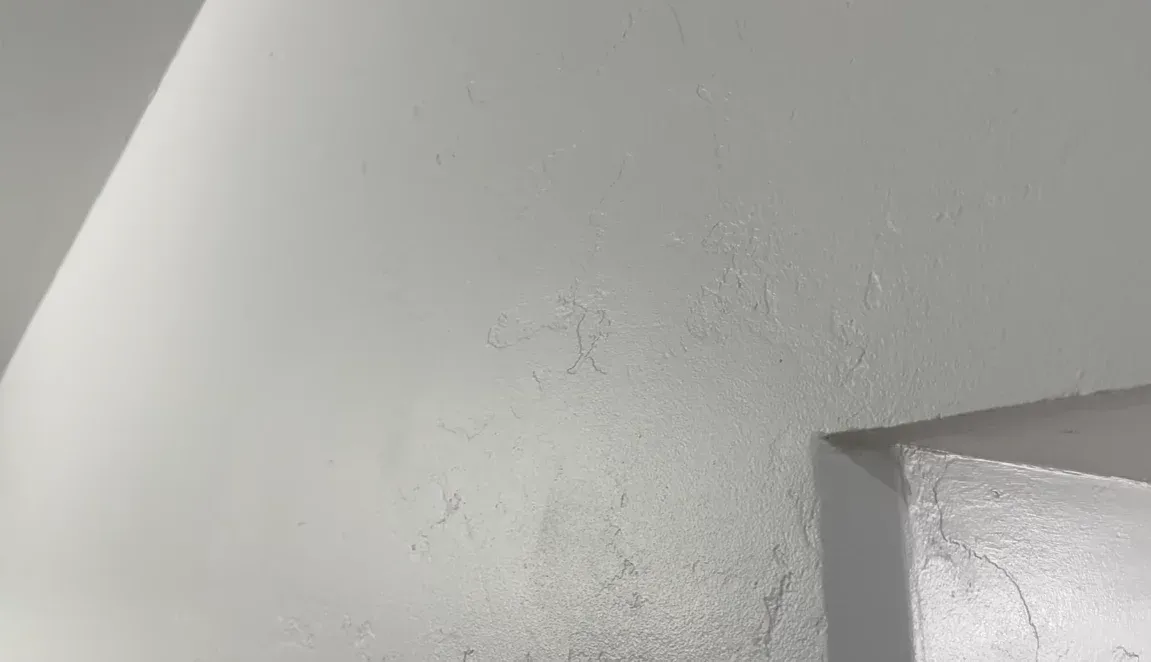
While you wait for a professional opinion, simple monitoring gives valuable information. Mark both ends of the crack with a pencil and write the date. Measure the width at its widest point and photograph it next to a coin or ruler for scale. Recheck monthly and after heavy rain. A crack that stays the same size for a year is likely dormant; a crack that grows, widens, or begins to leak is active and needs professional wall crack repair to protect foundation stability before the damage compounds.
Protect Your Home with a Professional Inspection
Wall crack repair and foundation stability start with an honest diagnosis. The experienced team at Two Brothers Foundation Repair inspects the crack, the wall, the soil, and the drainage around your home to identify exactly what is moving and why. From simple crack injections to full structural stabilization, we deliver engineered repairs backed by transparent pricing and lasting warranties. Contact us today for a free evaluation and get real peace of mind about the walls holding up your home.
Frequently Asked Questions
Are vertical foundation wall cracks serious?
Usually not. Most vertical cracks come from concrete shrinkage or minor settling and are structurally harmless, though they should be sealed to keep water out and monitored for growth. Vertical cracks that widen past 1/4 inch or leak regularly should be professionally evaluated.
What is the most serious type of wall crack?
Horizontal cracks are generally the most serious because they indicate lateral pressure pushing the wall inward. Left alone, a horizontal crack can progress to a bowing or failing wall, which threatens the stability of the entire home.
Can I repair a foundation wall crack myself?
DIY caulk or hydraulic cement kits can temporarily slow a leak in a small, stable crack, but they do not restore structural strength or address the cause. Structural cracks, growing cracks, and any crack accompanied by bowing or settlement signs should always be handled by a foundation professional.
Does crack repair fix foundation stability problems?
Only when the underlying cause is addressed at the same time. If soil movement or water pressure created the crack, a complete repair combines crack sealing or reinforcement with drainage correction, soil stabilization, or pier underpinning so the foundation stops moving.
How much does foundation wall crack repair cost?
Simple epoxy or polyurethane injections are among the most affordable foundation repairs, often just a few hundred dollars per crack. Carbon fiber reinforcement, wall anchors, and pier underpinning cost more because they solve structural problems, which is why an accurate inspection and diagnosis should always come first.