

Foundation and House Raising Costs: 2026 Price Guide
Foundation and house raising costs typically range from $3,500 to $25,000 for a standard lift, with most homeowners paying around $7,600. That said, the final price depends heavily on why you are raising the home in the first place. A simple structural lift sits at the lower end, while raising a house to replace a failing foundation or escape a flood zone can climb to $80,000 or more. If your home is sinking or settling unevenly, it also helps to understand the cost to fix a sinking foundation, since foundation stabilization and house raising often go hand in hand.
In this guide, we break down average foundation and house raising costs, the factors that move the price up or down, and how to tell whether your home needs a full raise or a more affordable leveling repair.
What Does House Raising Actually Involve?
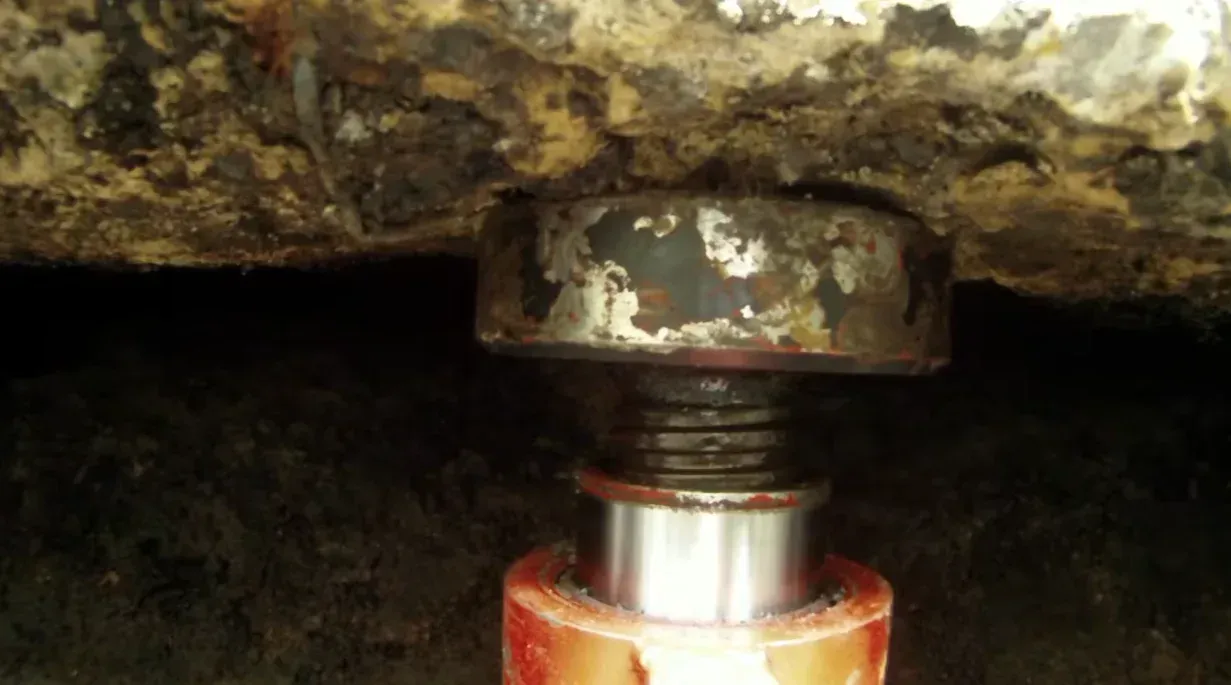
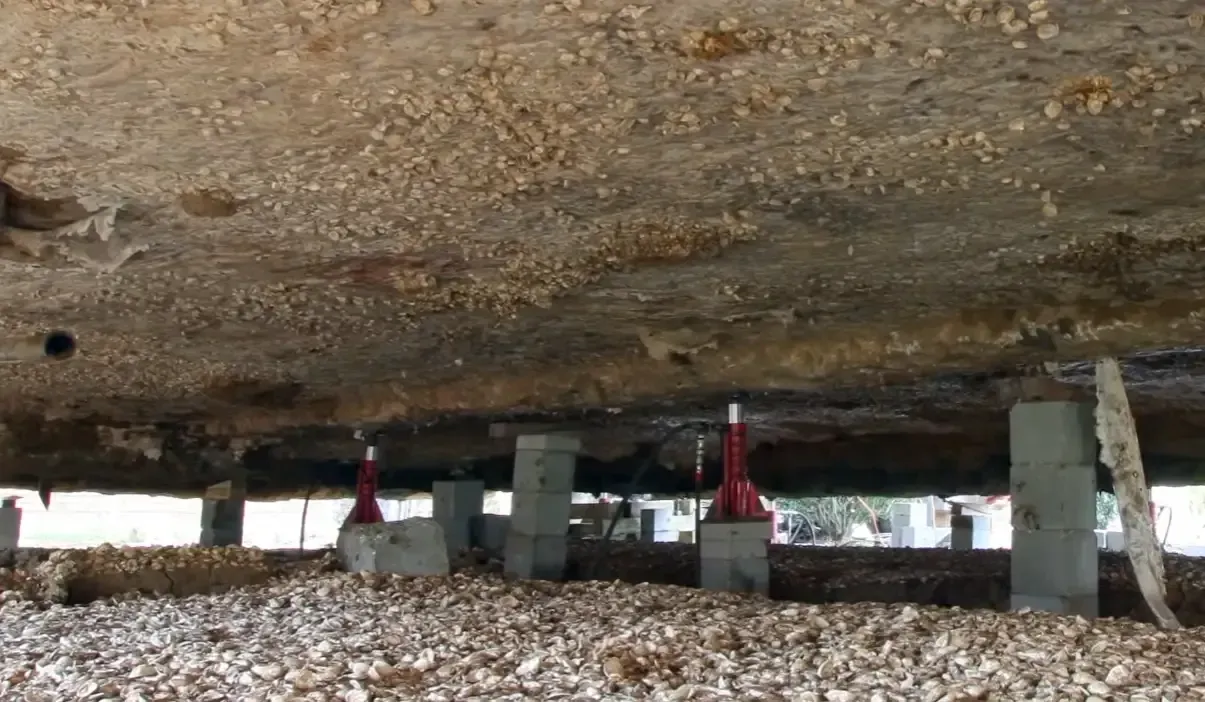
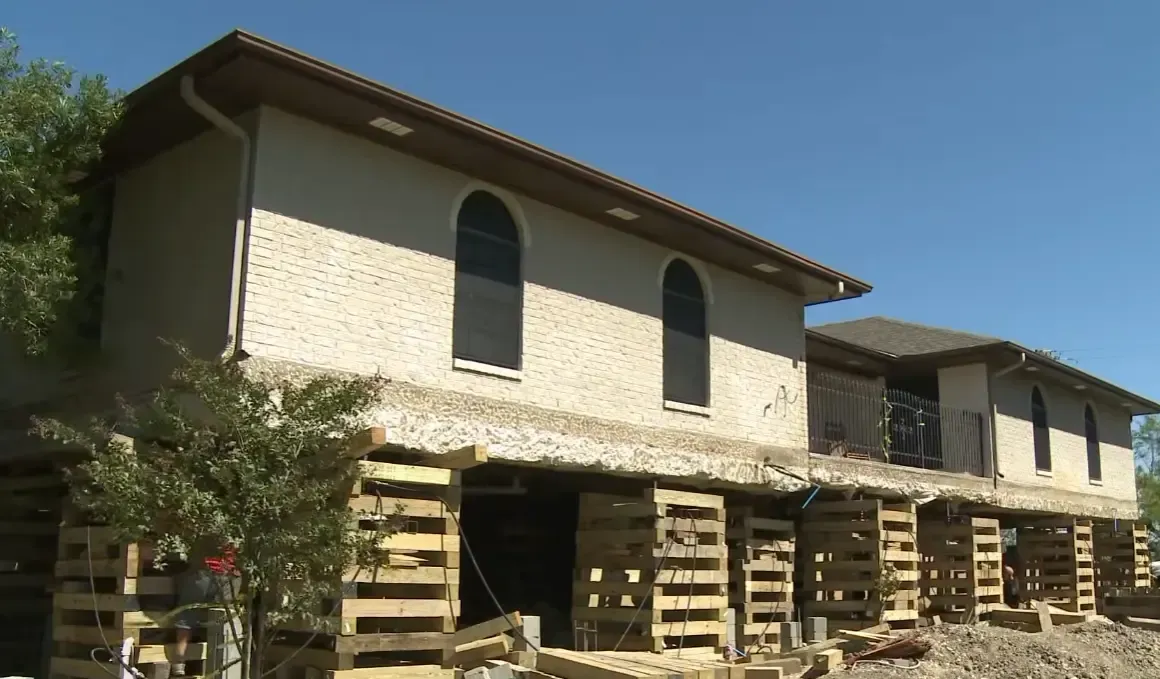
House raising, sometimes called house lifting or home elevation, is the process of separating a home from its foundation and lifting the entire structure using hydraulic jacks and steel beams. Once the house is raised to the required height, crews either repair the existing foundation, build a new one, or install piers, columns, or pilings to hold the home at its new elevation.
Homeowners raise houses for several reasons:
- Foundation replacement or major repair - when the existing slab or pier and beam system has failed beyond the point of standard repair
- Flood protection - lifting the living space above the Base Flood Elevation to reduce flood risk and insurance premiums
- Adding a basement or new lower level - creating usable space beneath the existing home
- Relocating the home - lifting the structure so it can be transported to a new lot
Each of these projects uses similar lifting equipment, but the scope of work after the lift is what really drives the price.
Average Foundation and House Raising Costs in 2026
Here is a quick snapshot of what homeowners across the country are paying:
| Project Type | Typical Cost Range |
|---|---|
| Standard house lift | $3,500 - $25,000 |
| Raising above a flood zone | $20,000 - $80,000 |
| Raising to replace a foundation | $20,000 - $100,000 |
| Raising to build a basement | $10,000 - $175,000 |
| Raising to move the home | $15,000 - $200,000 |
The national average for a basic lift lands near $7,600, but very few projects are "basic." In areas with expansive clay soils, frequent flooding, and older pier and beam homes, the majority of house raising projects also involve foundation work, drainage correction, or structural reinforcement, which pushes totals toward the middle and upper ends of these ranges.
Foundation and House Raising Costs by Home Size
The size and weight of your home is one of the biggest pricing levers. More square footage means more lifting points, more steel, more crew hours, and more risk to manage.
| Home Size | Estimated Cost Range |
|---|---|
| 1,000 sq. ft. | $10,000 - $30,000 |
| 1,500 sq. ft. | $15,000 - $44,000 |
| 2,000 sq. ft. | $20,000 - $55,000 |
| 2,500 sq. ft. | $25,000 - $60,000 |
Keep in mind these figures reflect complete elevation projects, including the lift itself plus the structural work needed to support the home at its new height. A single story home on a simple rectangular footprint will always cost less to raise than a sprawling multi wing home with attached garages, porches, and additions.
7 Key Factors That Affect Foundation and House Raising Costs
1. The Reason for the Lift
As the table above shows, the "why" matters more than almost anything else. Lifting a home a few inches to correct settling is a fundamentally different project than elevating it several feet above a floodplain and building new supporting piers underneath.
2. Home Structure and Age
Single story and lighter framed homes are simpler and cheaper to lift. Multi story homes need additional stabilization, and older or historic properties often require specialized techniques and extra planning, which raises labor costs. Brick veneer, stone cladding, and attached structures like chimneys and porches all add complexity.
3. Soil Conditions
Soil plays a huge role in both the cost of the lift and the long term stability of the result. Expansive clay soils common across Texas shrink and swell dramatically with moisture changes, which is a leading cause of foundation failure in the region. Understanding the soil types in Texas helps explain why some homes need deeper piers or additional support to stay level after they are raised.
4. Labor and Equipment
House raising involves multiple trades. Plumbers and electricians must disconnect and later reconnect utilities, excavation crews prepare the site, and heavy equipment operators handle the lift itself. Plumber rates typically run $45 to $200 per hour and electricians $50 to $100 per hour, on top of the specialized lifting crew. Most homeowners hire a single experienced contractor to manage the entire process.
5. Permits and Engineering
Expect to spend roughly $1,200 to $2,000 on permits for a house raising project. You will also need a structural engineer to evaluate the home before the lift, confirm it can handle the process, and design the new support system. Skipping this step is not an option - permits and engineering protect both your safety and your investment.
6. Landscaping, Access, and Cleanup
Large trees, tight lot lines, fences, and hardscaping can all obstruct equipment access. Tree removal, temporary demolition of decks or porches, and post project landscaping restoration add to the final bill.
7. What Happens Under the House Afterward
Raising the home is only half the job. The new foundation, piers, or pilings underneath determine most of the remaining cost. Foundation repair alone typically runs $2,200 to $8,100, while full foundation replacement under a raised home can reach $100,000 for larger properties.
House Raising vs. House Leveling: Which One Do You Need?
Here is the good news: many homeowners who search for house raising actually need house leveling, which is a far less expensive repair.
House leveling corrects a foundation that has settled unevenly, lifting the low sections of the home back to their original position. It usually involves installing piers beneath the affected areas rather than lifting the entire structure off its foundation. If your symptoms are sloping floors, sticking doors, or stair step cracks in brick, professional house leveling and lifting services can often restore your home for a fraction of full elevation pricing.
Full house raising, by contrast, is reserved for situations where the entire home must be elevated - flood zone compliance, complete foundation replacement, or basement construction.
A trained foundation specialist can tell you quickly which category your home falls into. The repair method also matters: solutions like steel pier installation drive supports down to stable load bearing strata, giving a leveled or raised home the deep, permanent support that shallow fixes cannot match.
Is Raising Your House Worth the Cost?
For the right situation, absolutely. Consider what house raising delivers:
- Lower flood risk and insurance premiums. Elevating a home above the Base Flood Elevation can significantly reduce flood insurance costs year after year, and it protects you from the repeated repair bills that come with recurring flood damage.
- A permanent foundation solution. If your foundation has failed, raising the home to rebuild it correctly solves the problem once instead of paying for patch repairs every few years.
- Protected property value. A home with a documented, engineered foundation solution is far easier to sell than one with visible structural problems.
- Avoided displacement costs. One properly executed project spares your family the repeated hotel stays, cleanup costs, and disruption that come with chronic foundation or flooding problems.
Pairing the project with proper water management, such as professionally designed
foundation drainage solutions, protects that investment by keeping moisture away from your new support system.
How to Keep Your Project on Budget
- Get a professional inspection first. Do not assume you need a full raise until a specialist confirms it. Many "house raising" calls end up as targeted leveling repairs.
- Compare detailed written estimates. A trustworthy bid itemizes the lift, the foundation work, utility disconnections, permits, and cleanup separately.
- Fix the root cause, not just the symptom. If drainage or soil movement caused the problem, budget for correcting it, or you will pay for the same repair twice.
- Ask about warranties. Reputable contractors back structural work with transferable warranties.
- Never DIY a house lift. The savings are not worth the risk of catastrophic structural damage or injury. For a broader look at what repairs run in this market, our guide to foundation repair costs breaks down pricing by repair type.
Get an Accurate Quote for Your Home
National averages are a starting point, but the only way to know your real foundation and house raising costs is a professional on site evaluation of your home, soil, and foundation condition. The team at Two Brothers Foundation Repair provides honest inspections, engineered repair plans, and transparent pricing for everything from minor leveling to complete structural lifts. Contact us today for a free estimate and find out exactly what it will take to put your home back on solid ground.
Frequently Asked Questions
How much does it cost to raise a house and replace the foundation?
Raising a home to replace its foundation typically costs $20,000 to $100,000, depending on home size, foundation type, and site conditions. The lift itself is only part of the total - the new foundation system accounts for much of the price.
How long does house raising take?
The physical lift usually takes two to seven days. The full project, including engineering, permits, utility disconnection, foundation work, and cleanup, generally runs four to eight weeks.
Can raising a house damage it?
When performed by experienced professionals using engineered lifting plans, house raising is safe. Damage risk comes from unqualified crews lifting unevenly or too quickly, which is why hiring a proven foundation contractor is essential.
Is house leveling cheaper than house raising?
Yes, significantly. House leveling corrects settled sections of a foundation and typically costs a fraction of full home elevation, because the house is not separated from its foundation and lifted as a complete structure.
Do I need an engineer before raising my house?
Yes. A structural engineer must assess whether your home can be lifted safely and design the support system that will hold it at its new elevation. Most municipalities require engineered plans before issuing permits.