

Clay Bowl Effect: The Hidden Cause of Basement Leaks
Clay bowl effect is the reason so many basements leak, crack, and grow mold even after homeowners try patching from the inside. It's an invisible ring of loose soil around your foundation that quietly collects water and drives it toward your walls with every rainfall. If you keep battling water getting in your basement and nothing seems to work for long, this is very likely the root cause. Below, you'll find a clear breakdown, side-by-side tables, and a checklist to help you diagnose and solve it fast.
The Short Answer
The clay bowl effect is an artificial water table that forms in the loose backfill soil ringing your foundation. Because that excavated soil never re-compacts to its original density, it soaks up and holds far more water than the firm ground around it. That water builds hydrostatic pressure and forces its way through cracks, joints, and porous concrete, leaving you with wet floors, leaking walls, musty air, and mold. The lasting fix is a combination of interior drainage with a sump pump, exterior waterproofing, and wall reinforcement where the walls have already started to move.
What Causes the Clay Bowl Effect?
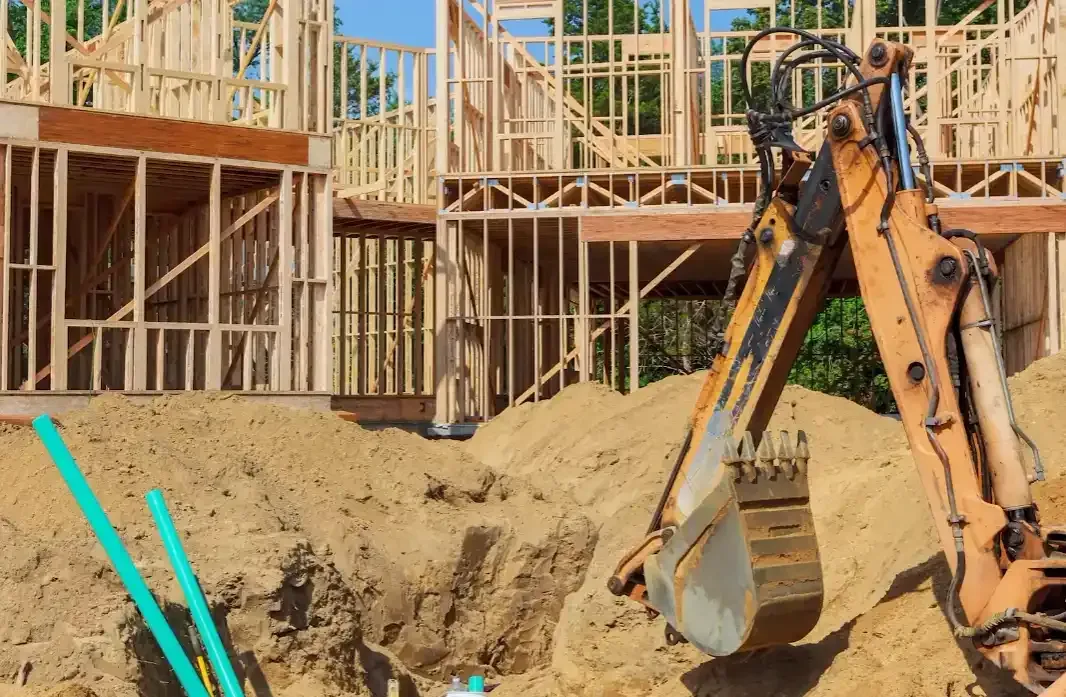
To make room for a foundation, crews dig a hole far wider than the house itself. After the footings and walls cure, that excavated dirt is pushed back in around the foundation as backfill. No matter how well it's packed, this backfill stays looser and fluffier than the dense, undisturbed ground beyond it, and that difference is what causes the clay bowl effect.
The loose ring behaves like a bowl buried in your yard. Because water follows the path of least resistance, rain and groundwater flow straight into that soft soil and pool against your foundation instead of draining away. Three things make it worse:
- Fresh or poorly compacted backfill that stays loose for years
- Expansive clay soil that swells dramatically when it absorbs water
- Poor surface drainage that dumps even more water into the ring
What makes this so persistent is that the condition never really fixes itself. The backfilled ring stays more porous than the surrounding earth for the life of the home, so every wet season refills it with fresh water. Compaction during construction slows the process but cannot erase it, and normal settling over the years often creates shallow low spots that funnel even more runoff straight toward the walls. Downspouts that empty too close, flower beds that get watered daily, and yards that slope the wrong way all feed the same trap. In short, the ground is quietly working against your foundation long after the builders have packed up and gone.
Disturbed Backfill vs. Undisturbed Soil
The heart of the clay bowl effect is the contrast between the soil right against your foundation and the soil beyond the old excavation line. This table shows why that difference matters.
| Property | Disturbed backfill (next to foundation) | Undisturbed native soil |
|---|---|---|
| Density | Loose and fluffy | Firm and compacted |
| Water absorption | Soaks up and holds water | Sheds water slowly |
| Behavior in rain | Collects water — forms the "bowl" | Directs water around the area |
| Pressure on walls | High hydrostatic pressure | Minimal pressure |
| Long-term risk | Leaks, cracks, bowing walls | Stable foundation |
Warning Signs Checklist
The clay bowl effect works out of sight, so most homeowners spot the symptoms long before they know the cause. Run through this checklist, especially during or right after heavy rain:
- Foundation or floor cracks that leak or weep water
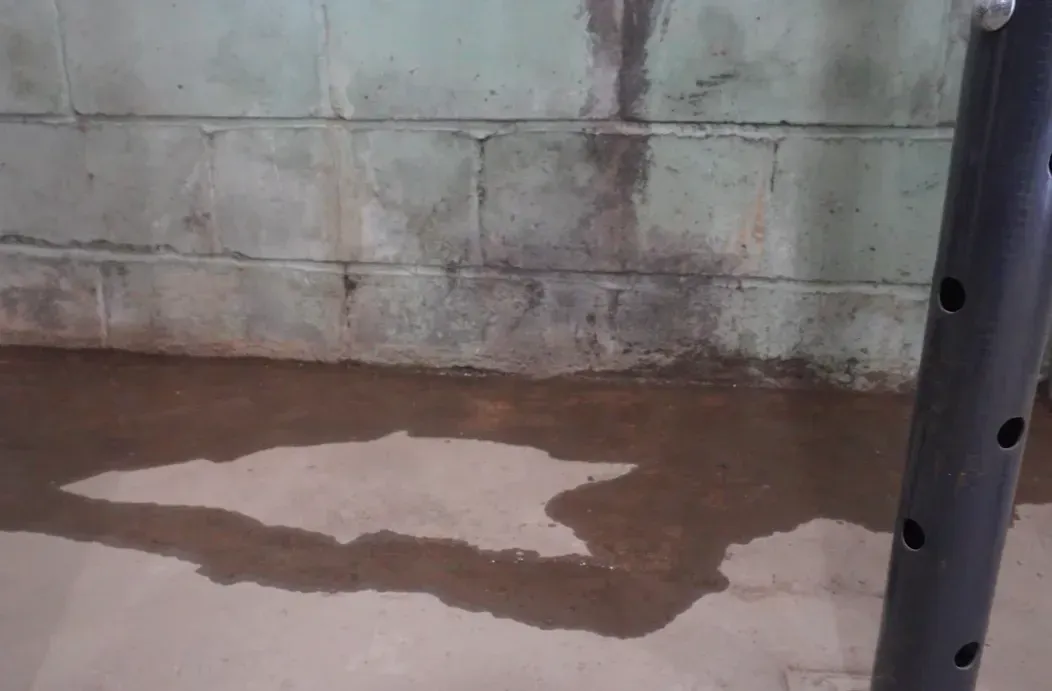
- Puddles or damp patches on the basement floor
- Higher humidity in the basement or crawl space than upstairs
- A persistent musty smell or recurring mold
- Dark stains or a "tide line" along basement walls
- Efflorescence (white chalky residue) on concrete
Noticing two or more of these together is a strong indicator that the clay bowl effect is pushing water into your home.
Clay Bowl Effect vs. a Plumbing Leak
Not every wet basement comes from the soil. Before you plan a repair, it helps to rule out a plumbing problem, because the two look similar but call for completely different fixes. Use this quick comparison to point yourself in the right direction.
| Clue | Points to clay bowl effect | Points to a plumbing leak |
|---|---|---|
| Timing | Appears during or after rain and snowmelt | Happens anytime, regardless of weather |
| Location | Along the perimeter, cracks, and the wall-floor joint | Near a fixture, water heater, or supply line |
| Water type | Cool groundwater, often with mud or silt | Clean water, sometimes warm |
| Pattern | Worse in wet seasons, better in dry spells | Constant or steadily worsening |
If the moisture tracks the weather and shows up around the edges of the basement, the clay bowl effect is the likely driver. If it's steady and centered on a fixture, call a plumber first. When in doubt, a professional inspection settles it quickly.
What Happens If You Ignore It
Water pressure around a foundation rarely stays still; it escalates. Ignoring the problem tends to follow a predictable and increasingly expensive path:
- Dampness and humidity. The first stage is musty air and slightly damp walls, easy to dismiss but a sign pressure is building.
- Active leaks. Water starts weeping through cracks, the cove joint, and porous concrete during storms.
- Mold and material damage. Persistent moisture ruins finishes, flooring, and stored belongings and feeds mold growth.
- Widening cracks. Freeze-thaw cycles and constant pressure open small cracks wider, letting in even more water.
- Structural movement. In the worst cases, unrelenting pressure bows or shifts foundation walls, turning a drainage issue into a major structural repair.
Catching the problem in stage one or two costs a fraction of what a stage-five structural fix runs, which is why early diagnosis pays for itself many times over.
Solutions Compared
Because the core problem is water collecting against the foundation, the fix is always about removing that water or relieving its pressure. Here's how the main options stack up. A professional foundation contractor can combine these into a single plan, and quality foundation drainage solutions are usually the backbone of an effective repair.
| Solution | How it works | Best for | Relative cost |
|---|---|---|---|
| Interior drainage + sump pump | Collects water under the slab and pumps it away | Active leaks, high water table | $$ |
| Exterior waterproofing + drain tile | Membrane and drain stop water outside the wall | Attacking water at the source | $$$$ |
| Wall reinforcement (anchors / carbon fiber) | Stabilizes and braces bowing walls | Cracked or leaning walls | $$–$$$ |
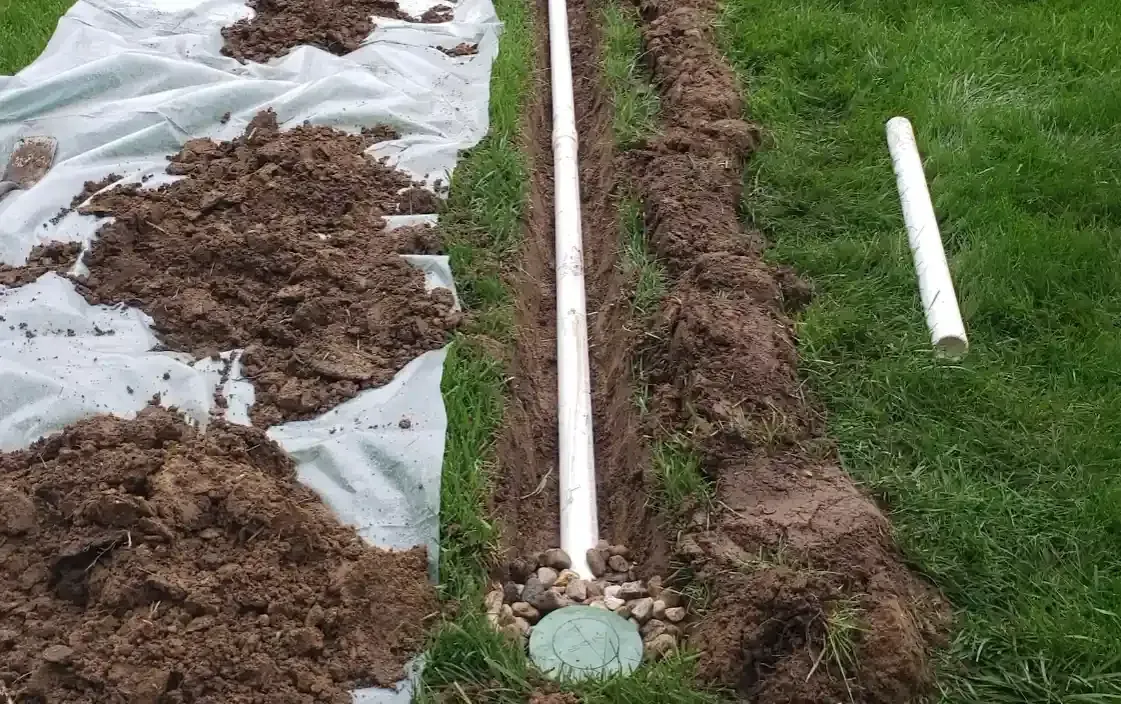
| Grading, gutters & downspouts | Keeps surface water away from the backfill | Prevention and mild cases | $ |
For most homes, the combination of an interior drain with a reliable sump pump handles the water, while exterior work or wall reinforcement is added when the situation calls for it. A battery backup for the sump pump is strongly recommended, since the worst flooding often happens during the same storms that knock out power. The right mix depends on your soil, water table, and how far any damage has already progressed, so an on-site evaluation is the surest way to avoid paying for more, or less, than your home actually needs.
How to Prevent the Clay Bowl Effect From Getting Worse
You can't remove the loose backfill ring, but you can control how much water reaches it. These low-cost steps reduce the load on your foundation and make any drainage system last longer:
- Extend downspouts so roof water discharges several feet from the house, not beside the wall.
- Keep gutters clean so rain is actually captured and carried away.
- Regrade the soil so the ground slopes away from the foundation on all sides.
- Rethink landscaping against the house — avoid heavy watering, mulch beds, and raised planters right at the wall.
- Fix low spots in the yard where water pools near the foundation.
Handled together, these habits keep the "bowl" from filling as fast, which quietly protects everything below grade.
The Bottom Line
The clay bowl effect is built into nearly every home with a basement or crawl space, an unavoidable ring of disturbed soil that gathers water and presses it against your foundation year after year. Left alone, it turns into leaks, cracks, mold, and eventually structural movement. Managed properly, with the right mix of interior drainage, a dependable sump system, smart exterior grading, and wall reinforcement where needed, it becomes a solved problem instead of a recurring nightmare.
If the warning signs above look familiar, don't wait for small cracks to widen. The experienced team at Two Bros Foundation Repair can inspect your foundation, confirm whether the clay bowl effect is driving your water problems, and design a drainage and waterproofing plan matched to your soil. Reach out today to keep your basement dry and your foundation solid for good.
Frequently Asked Questions
So what actually is the clay bowl effect?
Picture a bowl of loose dirt buried in your yard with your house sitting in the middle of it. That is basically what you have. When your home was built, crews dug a hole wider than the house, then shoveled the same dirt back in around the walls. That backfilled ring never packs back down as tight as the untouched ground around it, so it drinks up rainwater and holds it right against your foundation. That trapped water is the pressure quietly pushing leaks through your walls.
Why does my basement only leak when it rains?
That timing is the biggest clue you have a clay bowl problem and not a pipe problem. The loose ring around your foundation fills like a sponge every time it pours, then slowly drains and dries out between storms. So the leaks show up during or right after heavy rain and snowmelt, then vanish until the next downpour. A plumbing leak does not care about the weather. If your water problem runs on the forecast, the soil is almost always the culprit.
How do I know it is the clay bowl effect and not a burst pipe?
Follow the water. Groundwater from the clay bowl shows up along the perimeter, in floor cracks, and where the wall meets the floor, it runs cool, and it often carries a little mud or silt. A plumbing leak parks itself near one spot, a fixture, the water heater, a supply line, runs clean, and sometimes even feels warm. Rain-driven and around the edges points to the soil. Constant and centered on one fixture points to a plumber. When the two blur together, an inspection settles it fast.
What are the red flags I should be watching for?
Your basement usually whispers before it shouts. The tells: cracks that weep water, damp patches or puddles on the floor, air that feels heavier down there than upstairs, a musty smell that keeps coming back no matter how much you clean, a dark tide line staining the walls, and a chalky white film on the concrete called efflorescence. One of these might be nothing. Two or three showing up together, especially after a storm, and the clay bowl is almost certainly feeding water into your home.
Can I just seal the cracks and be done with it?
Unfortunately no, and this is where a lot of money gets wasted. Sealing from the inside plugs one hole while the real problem, water pressure in the soil, keeps building and simply finds the next weak spot. The lasting fix relieves that pressure instead of fighting it: an interior drain feeding a reliable sump pump for most homes, exterior waterproofing and drain tile when you want to stop water at the source, and wall bracing if the walls have already started to bow. Add a battery backup to the pump, because the worst floods tend to hit during the exact storms that cut the power.
There is loose backfill around every house, so can I really do anything about it?
You cannot dig out the bowl, but you absolutely control how fast it fills, and that is most of the battle. Send your downspouts several feet from the house instead of dumping at the wall, keep the gutters clear so they actually carry water away, and slope the soil so it runs away from the foundation on every side. Then stop feeding the trap: skip the daily flower-bed watering right against the wall and fill in any low spots where rain pools. None of it is expensive, and together it keeps thousands of gallons out of the soil each season.
What is the worst that happens if I just live with it?
It gets more expensive every year you wait, because water pressure never sits still. It climbs a ladder: musty damp air first, then active leaks during storms, then mold and ruined flooring and boxes, then cracks that widen as the pressure works on them, and at the top of the ladder, walls that actually bow or shift and turn a drainage bill into a structural one. Homeowners who catch it on the bottom rungs pay a fraction of what the top rung costs. If any of the red flags sound familiar, get it looked at now. Two Brothers Foundation Repair can confirm the cause and map out the fix. Call (832) 412-2791 or
request an inspection.