

Basement Sump Pit Design: A Complete Homeowner's Guide
Basement sump pit design is the single most overlooked factor that decides whether your basement stays dry or floods during the next heavy storm. Most homeowners focus all their attention on the sump pump itself, yet the pit beneath that pump quietly controls how much water it collects, how often it runs, and how long it lasts. Get the design right and you build a quiet, efficient system that protects your foundation for years. Get it wrong and even an expensive pump will short-cycle, burn out, or leave water sitting under your slab. Before you shop for pumps, it helps to understand exactly what a sump pit is and how its design shapes the entire waterproofing system.
In this guide, we break down every part of a properly engineered basement sump pit so you can plan, install, or evaluate one with confidence.
What a Sump Pit Actually Does
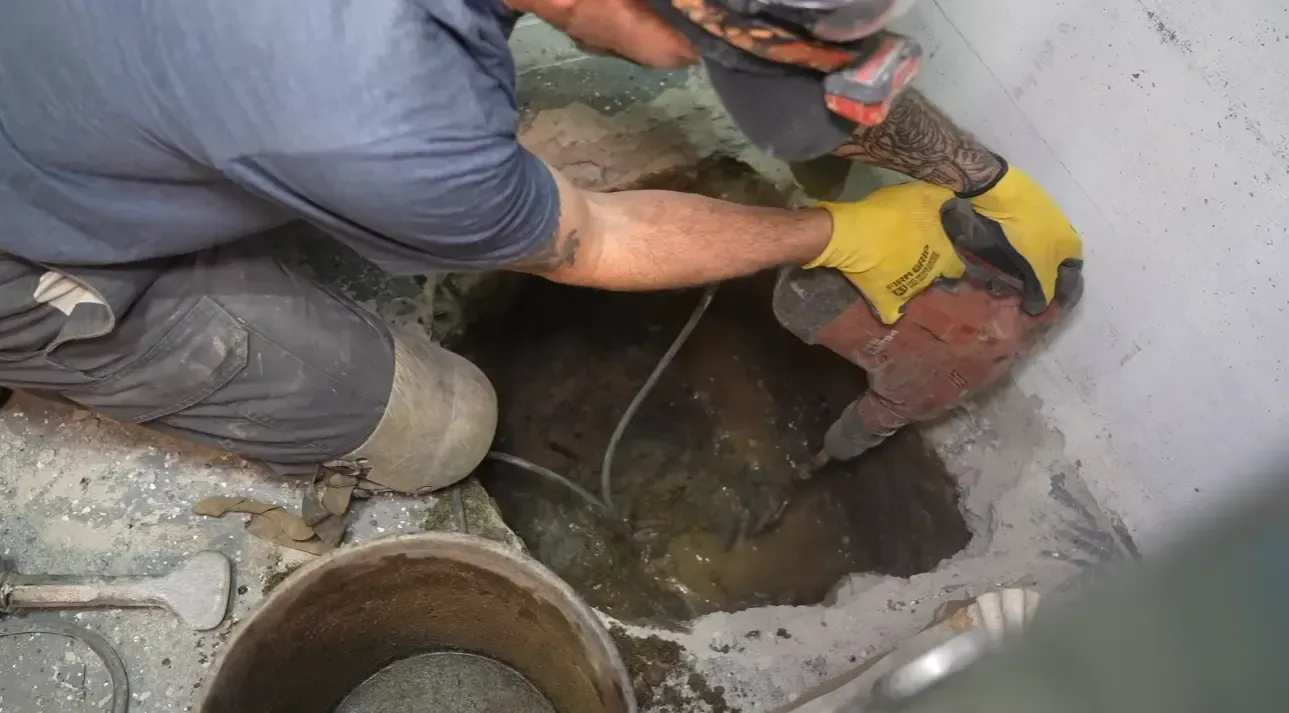
A sump pit, also called a sump basin, is a reservoir set into the lowest point of your basement or crawl space floor. Its job is simple but critical: gather groundwater and drainage before that water ever reaches your living space, then hold it until the pump discharges it safely away from the foundation. Water naturally flows downhill, so when the pit is positioned at the true low point, it becomes the collection hub for water entering through the walls, the floor, or an interior drain tile system.
Without a well-designed pit, water has nowhere to gather. It spreads across the slab, seeps into cracks, and raises the humidity of the entire basement. The pit concentrates that water in one controlled location so a single pump can remove it efficiently. This is why basement sump pit design matters far more than its modest appearance suggests.
Choosing the Right Pit Size
Sizing is where many installations go wrong, and it is one of the first decisions in any basement sump pit design. A pit that is too small fills quickly, forcing the pump to switch on and off repeatedly, a problem called short-cycling that dramatically shortens pump life. A pit that is too large is rarely a problem on its own, but an oversized basin paired with an undersized pump can let water sit and stagnate, creating odor and sediment buildup.
For most residential basements, a basin roughly 18 inches in diameter and 22 to 30 inches deep offers the right balance. This volume gives the incoming water enough room to collect so the pump runs in longer, less frequent cycles. It also leaves space to add a second pump or a battery backup unit later. If your home sits on heavy clay or has a high water table, lean toward the larger end of that range. Areas with frequent, heavy rainfall benefit from a deeper basin that can buffer sudden surges without overwhelming the pump.
The Gravel Base: A Critical Foundation
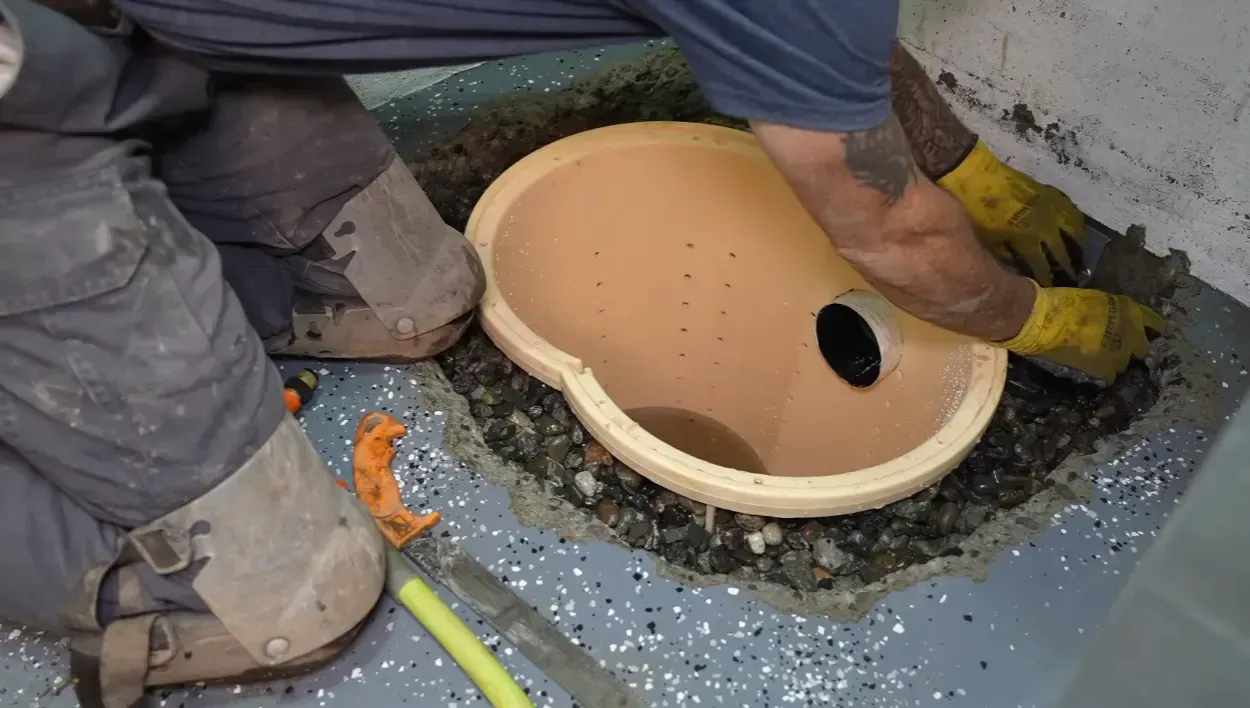
Beneath every quality sump pit lies a layer of gravel, and skipping this step is one of the most common installation mistakes. A four-to-six-inch bed of clean, washed gravel does several jobs at once. It creates a stable, level platform so the basin sits square and doesn't shift over time. It allows groundwater to filter up into the pit evenly from all directions rather than pooling unevenly beneath the slab. And it acts as a natural filter, slowing the migration of fine soil and silt that would otherwise settle in the basin and clog the pump intake.
The gravel base also ties your pit into the broader drainage picture. When water can move freely through the soil and gravel toward the basin, hydrostatic pressure under the slab drops, which reduces the risk of cracks and seepage. Effective basement sump pit design treats the pit, the gravel, and the surrounding soil as one connected system rather than three separate parts.
Perforations and the Liner
The basin liner is the rigid plastic or fiberglass container that holds the water. Many liners feature perforations, small holes around the sides and bottom, that let groundwater seep in from the surrounding gravel. Whether you want perforations depends entirely on your soil and your overall waterproofing approach.
In clay-heavy soils, perforations help relieve water trapped under the slab by giving it an easy path into the basin. In sandy soil, however, those same holes can let fine sand wash into the pit, where it settles and eventually clogs the pump. The sand can also abrade pump components and shorten their service life. This is why a one-size-fits-all liner is rarely ideal, and why proper basement sump pit design always starts with an honest look at the ground beneath your home. If your pit is fed primarily by an interior drain tile system rather than rising groundwater, a sealed, non-perforated basin is often the better choice.
If you are planning a full waterproofing project, professional
foundation drainage solutions can integrate the pit, drain tile, and discharge line into one engineered system rather than a collection of mismatched parts. Coordinating these elements from the start prevents the gaps and pressure points that cause leaks down the road.
Sealing and the Lid
An airtight, sealed lid is not just a finishing touch; it is a core part of good basement sump pit design. A quality lid serves three purposes at once. First, safety: a secured cover prevents children and pets from falling into an open pit. Second, air quality: a gasketed, sealed lid stops humidity, radon, and soil gases from rising out of the pit and circulating through your home. An open pit can quietly add gallons of moisture to your basement air every day, fueling mold and that familiar musty smell.
Third, efficiency. A sealed lid keeps debris out of the basin so the pump intake stays clear. Many quality lids are made of clear or partially transparent material, letting you glance in to confirm the float and pump are working without removing the cover. Look for a lid with a rubber gasket around the rim and sealed ports where the discharge pipe and power cord pass through.
Pump Placement and Discharge
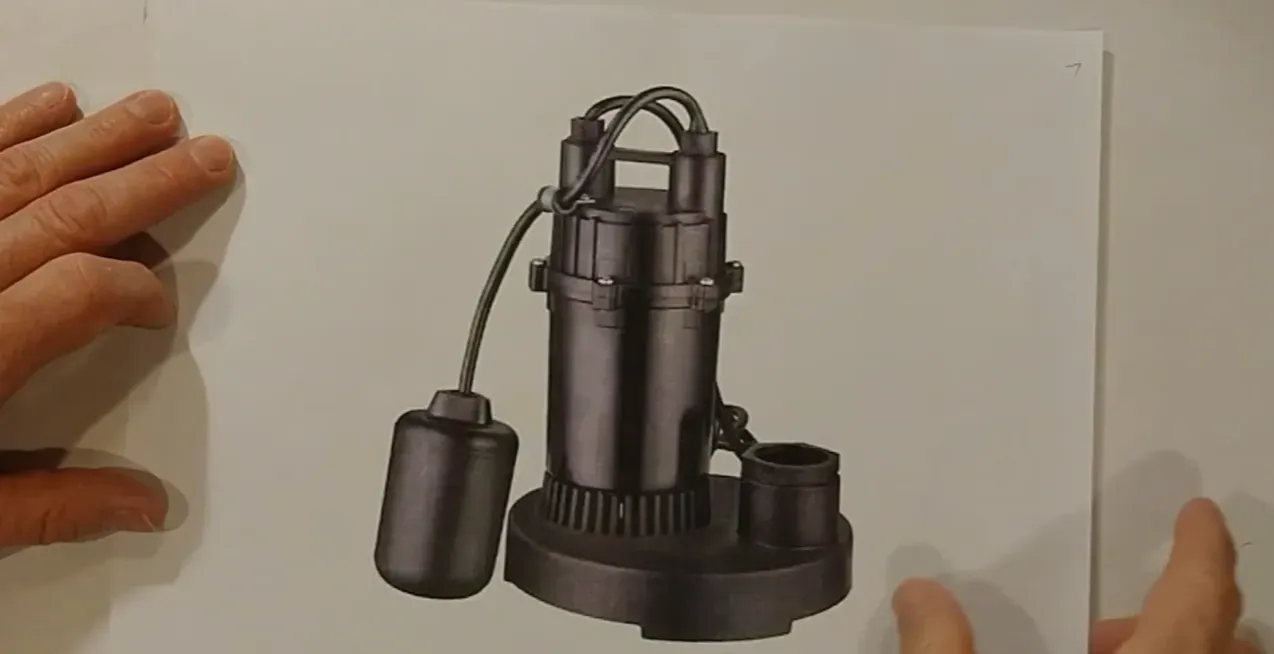
Even a perfectly built pit fails if the pump and discharge are arranged poorly, so basement sump pit design has to account for what goes inside the basin too. The pump should sit on a flat, raised platform inside the basin, often a brick or a built-in stand, so it stays above the layer of silt and sediment that settles at the very bottom. Keeping the intake off the floor of the pit prevents grit from being drawn into the pump.
The float switch needs room to move freely without bumping the basin walls or the discharge pipe, which is another reason adequate basin diameter matters. On the discharge side, water should be carried well away from the house, ideally ten feet or more from the foundation, and never dumped right beside the wall where it will simply seep back down and re-enter the pit. A check valve on the discharge line stops pumped water from draining back into the basin and triggering an unnecessary second cycle.
Adding a Backup System
Power outages and storms often arrive together, which is precisely when your sump system is needed most. Smart basement sump pit design plans for this from the beginning by leaving room in the basin for a second pump. A battery backup pump or a water-powered backup can keep the basement dry when the main pump loses power or fails. Building this capacity into the original pit is far cheaper and cleaner than retrofitting it later, so even if you install only one pump today, size the basin for two.
Common Design Mistakes to Avoid
Several recurring errors undermine otherwise good installations, and most trace back to rushed basement sump pit design. Placing the pit somewhere other than the true low point of the floor leaves water stranded across the slab. Skipping the gravel base invites clogging and uneven water entry. Choosing the wrong liner for your soil causes sediment problems. Leaving the pit uncovered raises humidity and creates a safety hazard. And discharging water too close to the foundation simply recycles the same water through the system again and again.
Each of these mistakes is avoidable with a little planning, and each one, left uncorrected, can mean the difference between a dry basement and a costly flood.
Protect Your Foundation the Right Way
A sump pit is small, but its influence on your home's health is enormous. Thoughtful basement sump pit design, correct sizing, a proper gravel base, the right liner for your soil, a sealed lid, smart pump placement, and a plan for backup power, turns a simple hole in the floor into a reliable shield against water damage. When the pit, the drainage, and the discharge all work together, your basement stays dry, your foundation stays sound, and your pump lasts for years.
If you're unsure whether your current setup is up to the task, or you're planning a new
basement waterproofing project, the experienced team at Two Bros Foundation Repair can
assess your home and design a system built for your specific soil, water table, and layout.Reach out today to keep your basement dry for the long haul.
Frequently Asked Questions
How deep and wide should a basement sump pit be?
For most residential basements, a basin roughly 18 inches in diameter and 22 to 30 inches deep gives the right balance. That volume lets incoming water collect so the pump runs in longer, less frequent cycles, and it leaves room to add a battery backup pump later. Plumbing codes generally set a minimum of about 18 inches in diameter and 24 inches deep. If your home sits on heavy clay, has a high water table, or sees frequent heavy rain, lean toward the deeper end of the range to buffer sudden surges.
Why does sump pit size matter so much?
Sizing is where many installations go wrong. A pit that is too small fills quickly and forces the pump to switch on and off repeatedly, a problem called short cycling that dramatically shortens pump life. An oversized basin paired with an undersized pump can let water sit and stagnate, creating odor and sediment. The goal is enough capacity for the pump to run in longer, efficient cycles, with a residential pit ideally holding a couple of feet of water before the pump kicks on.
Do I need a gravel base under a sump pit?
Yes, and skipping it is one of the most common installation mistakes. A four to six inch bed of clean, washed gravel creates a stable, level platform so the basin sits square, lets groundwater filter up into the pit evenly from all directions, and acts as a natural filter that slows fine soil and silt from clogging the pump intake. The gravel also lowers hydrostatic pressure under the slab, which reduces the risk of cracks and seepage, tying the pit into the broader drainage system.
Should a sump pit basin be perforated or sealed?
It depends on your soil and how the pit is fed. In clay heavy soils, perforations help relieve water trapped under the slab by giving it an easy path into the basin. In sandy soil, those same holes let fine sand wash in, where it clogs the pump and abrades its components, so a sealed basin is better. If the pit is fed mainly by an interior drain tile system rather than rising groundwater, a sealed, non perforated basin is usually the right choice. This is why a one size fits all liner rarely works.
Why does a sump pit need a sealed lid?
A gasketed, sealed lid does three jobs at once. It improves safety by preventing children and pets from falling into an open pit, it protects air quality by stopping humidity, radon, and soil gases from rising out and circulating through your home, and it boosts efficiency by keeping debris out of the basin so the pump intake stays clear. An open pit can add gallons of moisture to basement air every day, fueling mold and a musty smell. Look for a lid with a rubber gasket and sealed ports for the discharge pipe and power cord.
Where should a sump pump discharge the water?
Water should be carried well away from the house, ideally ten feet or more from the foundation, and never dumped right beside the wall where it will simply seep back down and re enter the pit. A check valve on the discharge line stops pumped water from draining back into the basin and triggering an unnecessary second cycle. Discharging too close to the foundation is a common mistake that just recycles the same water through the system again and again.
What are the most common sump pit design mistakes?
The recurring errors are placing the pit somewhere other than the true low point of the floor, which strands water across the slab, skipping the gravel base, which invites clogging and uneven water entry, choosing the wrong liner for your soil, leaving the pit uncovered, which raises humidity and creates a hazard, and discharging water too close to the foundation. Each is avoidable with planning, and each can mean the difference between a dry basement and a costly flood. Two Brothers Foundation Repair can design a system for your specific soil, water table, and layout. Call (832) 412-2791 or
request an inspection.