

What Is Backfill in Construction? A Complete Guide
What is backfill in construction? In simple terms, it is the process of refilling the excavated soil and space around a foundation, trench, or structure after the concrete and underground work are complete. It sounds like the most basic step on a job site, yet the quality of the backfill quietly determines whether a foundation stays stable for decades or starts to crack, settle, and let water in. Done well, backfill supports the foundation walls, channels water away, and locks the structure into the ground. Done poorly, it becomes the hidden cause of bowing walls, wet basements, and expensive repairs. Because the right fill depends heavily on the ground itself, it helps to first understand the types of soil used in construction before any dirt goes back into the hole.
In this guide, we break down what backfill is, why it matters, which materials work best, how compaction is done, and the timing and mistakes that make or break the job.
What Is Backfill in Construction, Exactly?
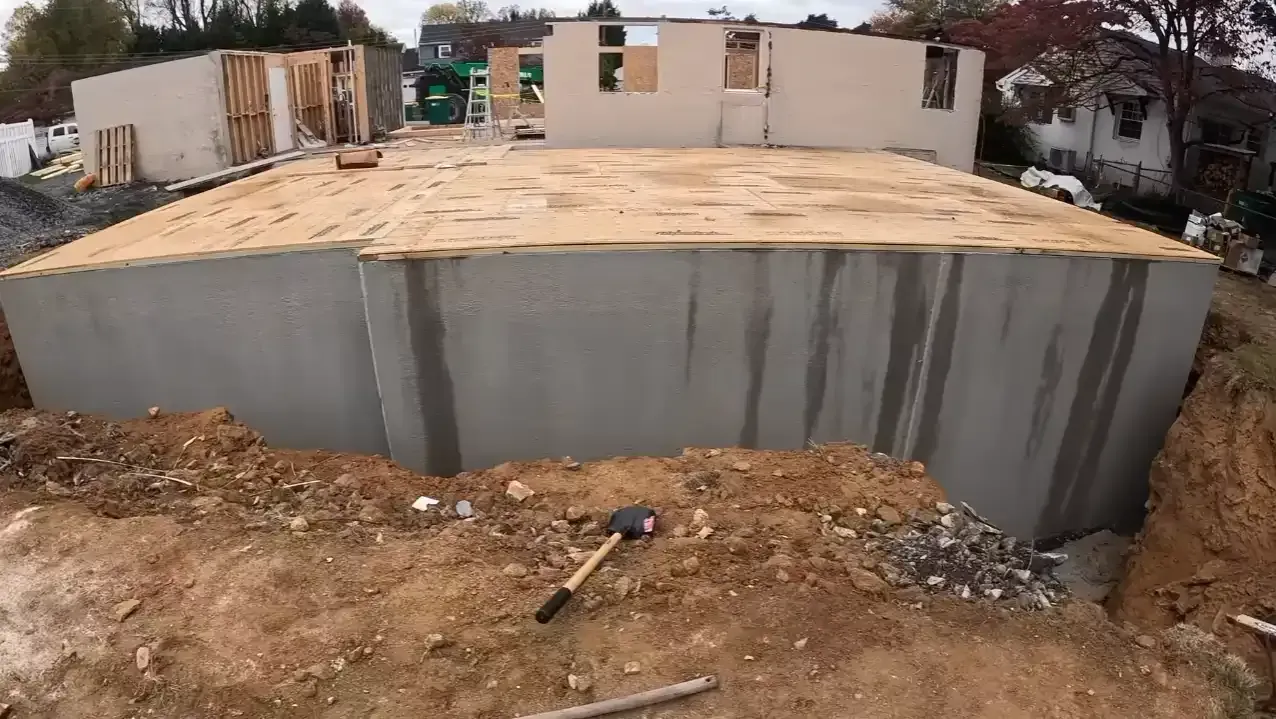
To put it plainly, backfill is any soil, gravel, sand, or engineered material placed back into the gap left by excavation. When a crew digs out the ground to pour footings and foundation walls, they create a wide trench around the new structure. Once the concrete has cured and any utilities, drains, or waterproofing are installed, that trench has to be filled back in. That refilling step is the backfill.
So when someone asks what is backfill in construction, the honest answer is that it is far more than shoveling the same dirt back into place. The fill is selected, placed in controlled layers, and compacted to a specific density. It carries the lateral load of the surrounding earth, protects buried pipes and waterproofing membranes, and shapes how surface water drains around the home. The material that goes back in is often not the same material that came out, because excavated soil is not always suitable for the job.
Why Backfill Matters So Much
Anyone learning what is backfill in construction quickly discovers it does three critical jobs. The first job of backfill is structural support. Foundation walls are designed to be braced on both sides; properly compacted backfill presses evenly against the outside of the wall and balances the pressure of the soil. Without that even support, the wall can bow inward or crack under the one-sided load. This is exactly why understanding what is backfill in construction is so important for any homeowner planning new construction or an addition.
The second job is drainage and moisture control. Well-chosen backfill, paired with proper grading, directs rainwater and groundwater away from the foundation rather than letting it pool against the wall. Poor backfill traps water, raises hydrostatic pressure, and pushes moisture straight through the foundation. The third job is protection: the fill cushions and covers buried utility lines, drain tile, and waterproofing so they are not damaged after the project is finished.
Common Backfill Materials
Choosing the right material is the heart of a good backfill job, and no single option fits every site. A big part of what is backfill in construction comes down to matching the fill to the conditions at hand. The most common choices are:
Native soil. This is the original soil dug from the excavation. When it is clean, stable, and well-draining, reusing it saves money and matches the natural conditions of the site. It is not ideal where the native soil is heavy clay or holds too much moisture.
Coarse-grained soils. Gravel and sand mixtures are favorites because they compact easily and provide strong, reliable support for foundations. They also drain well, which makes them excellent for relieving water pressure around basement walls.
Crushed stone and gravel. When drainage is the priority, crushed stone is hard to beat. It resists settling, allows water to move freely toward a drain system, and provides firm bedding around pipes.
Fine-grained soils. Silts and lean clays of low to medium plasticity are sometimes used where limited movement is acceptable, but they must be handled carefully because they hold water and can swell.
Engineered fills. Materials like controlled low-strength material (CLSM), fly ash, and slag are used when natural materials are unavailable or when precise, flowable fill is needed around tight spaces and utilities.
One material to avoid around footings is expansive clay, sometimes called black cotton soil, which swells when wet and shrinks when dry. That constant movement can crack and shift a foundation over time.
How Soil Type Drives the Decision
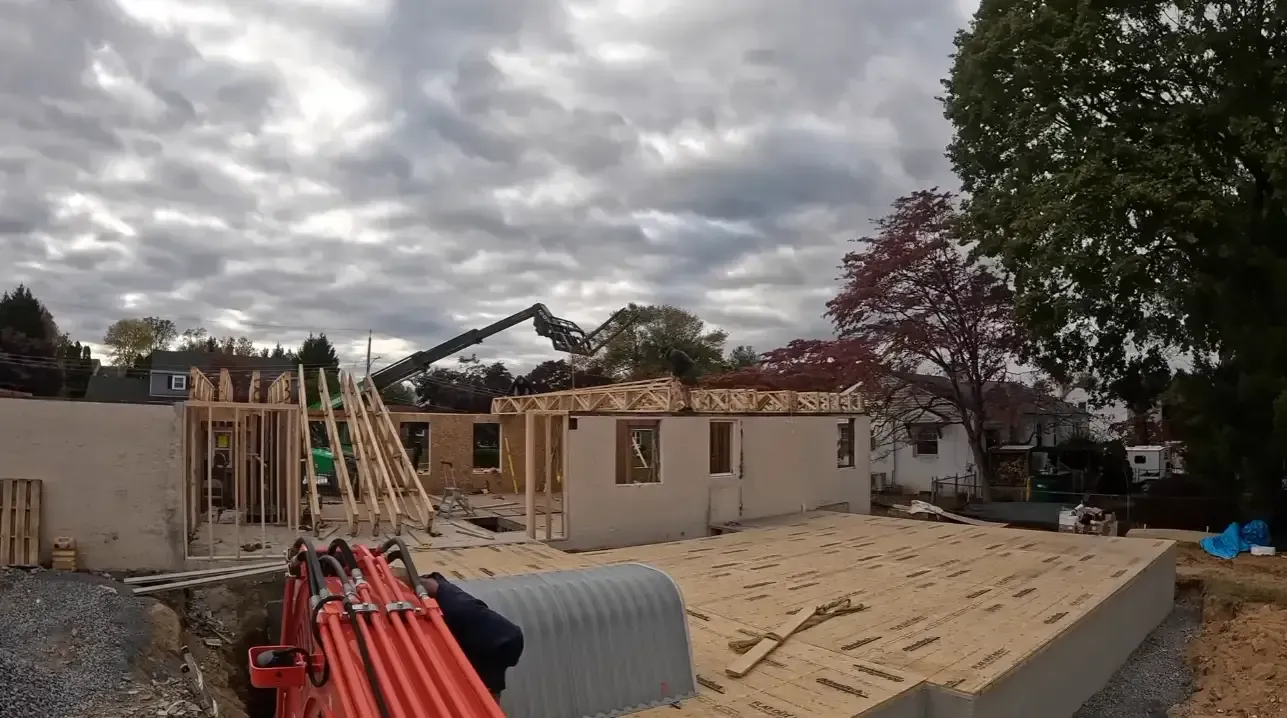
Understanding what is backfill in construction means understanding the ground it sits in. The soil at your site dictates which fill will perform. Granular, gravelly soils are preferred because they compact predictably and drain well. Where the existing soil drains poorly, crews bring in gravel or crushed stone to prevent water from collecting against the foundation. Where the excavated soil is contaminated, organic, or too wet to compact, it gets replaced with imported material that meets the engineering requirements.
Load-bearing capacity also matters. A two-story home pressing down beside the foundation needs a fill that distributes weight evenly so the ground does not settle unevenly later. Matching the fill to the structure and the soil is what separates a job that lasts from one that fails. For homeowners dealing with slopes, drainage trouble, or uneven ground, professional
residential grading services can shape the backfill and surrounding soil so water consistently flows away from the house instead of toward it.
Compaction: The Step You Cannot Skip
When professionals explain what is backfill in construction, they stress that material selection is only half the battle. The other half is compaction, the process of pressing the fill down to remove air pockets and increase density. Loose backfill looks fine on day one, but it keeps settling for months, leaving sunken ground, cracked sidewalks, and gaps that funnel water toward the foundation.
The golden rule is to backfill in layers, often called lifts, of roughly six to twelve inches, compacting each layer before adding the next. Trying to dump and fill all at once almost guarantees uneven density and future settling. The equipment depends on the material: vibratory plate compactors work well on granular soils like sand and gravel, while rammers, or "jumping jacks," handle cohesive soils like clay. On larger sites, roller compactors do the heavy lifting.
Moisture content is the quiet factor that decides compaction quality. Soil that is too dry will not bind; soil that is too wet turns to mud and cannot reach proper density. The fill needs to sit near its optimal moisture level so each lift compacts into a dense, stable base.
Timing: When to Backfill
Timing is one of the most common places backfill goes wrong, and it is a part of what is backfill in construction that homeowners rarely think about. Crews should never backfill against a foundation immediately after the concrete is poured. Fresh concrete needs time to cure and gain strength, typically at least five to seven days, sometimes longer depending on the mix, the temperature, and the size of the structure. Backfilling too early puts heavy lateral pressure on a wall that has not yet reached full strength, which can crack or even collapse it.
Weather is the partner of timing. Heavy rain can saturate the fill and the ground, ruining compaction and adding pressure, while extreme cold or heat affects both the soil and the curing concrete. A careful crew watches the forecast and schedules the backfill when conditions allow proper placement and drainage. Good drainage around the freshly backfilled area is essential so water does not collect and undo the work after the next storm.
Common Backfill Mistakes to Avoid
Knowing what is backfill in construction also means knowing how it fails. Several recurring errors turn a routine backfill into a future problem. Backfilling too soon, before the concrete cures, is the most damaging. Skipping layer-by-layer compaction leads to settling and voids. Reusing wet, organic, or expansive soil invites cracking and movement. Failing to protect drain tile and waterproofing during the fill can damage systems that are nearly impossible to fix later. And neglecting the final grade, the slope of the soil at the surface, lets water pond against the wall instead of running away from it.
Each of these mistakes is avoidable with planning, the right materials, and patience between steps.
Get Your Backfill Done Right
So, what is backfill in construction? It is the unseen foundation of a stable home, the carefully chosen and compacted material that supports your walls, manages water, and protects everything buried around your foundation. The difference between a fill that lasts and one that fails comes down to the right material for your soil, compaction in proper layers, correct timing, and smart drainage.
If you are building, renovating, or noticing signs that poor backfill or grading is sending water toward your foundation, the experienced team at
Two brothers Foundation Repair can evaluate your soil, drainage, and existing fill and recommend the right fix. Reach out today to protect your foundation from the ground up.
Frequently Asked Questions
What is backfill in construction?
Backfill is the process of refilling the excavated soil and space around a foundation, trench, or structure after the concrete and underground work are complete. It is more than shoveling the same dirt back into the hole. The fill is selected, placed in controlled layers, and compacted to a specific density so it carries the lateral load of the surrounding earth, protects buried pipes and waterproofing, and shapes how surface water drains around the home.
Why is backfill so important?
Backfill does three critical jobs. First, structural support: properly compacted fill presses evenly against the outside of foundation walls and balances the soil pressure, so the wall does not bow inward or crack under a one sided load. Second, drainage and moisture control: well chosen fill paired with proper grading directs water away from the foundation instead of letting it pool and build hydrostatic pressure. Third, protection: the fill cushions and covers buried utility lines, drain tile, and waterproofing so they are not damaged later.
What materials are used for backfill?
The most common choices are native soil when it is clean and well draining, coarse grained gravel and sand mixtures that compact easily and drain well, and crushed stone for the best drainage and firm bedding around pipes. Fine grained silts and lean clays are sometimes used where limited movement is acceptable but must be handled carefully because they hold water. Engineered fills like controlled low strength material, fly ash, and slag are used when natural materials are unavailable or precise flowable fill is needed.
Can you reuse the excavated soil as backfill?
Sometimes. When the native soil dug from the excavation is clean, stable, and well draining, reusing it saves money and matches the site's natural conditions. But it is a poor choice when the soil is heavy clay, organic, contaminated, or too wet to compact, in which case it gets replaced with imported material that meets the engineering requirements. One material to avoid around footings is expansive clay, sometimes called black cotton soil, which swells when wet and shrinks when dry and can crack a foundation over time.
How is backfill compacted, and why does it matter?
Compaction presses the fill down to remove air pockets and increase density, which prevents the months of settling that leave sunken ground, cracked sidewalks, and gaps that funnel water toward the foundation. The golden rule is to backfill in layers, called lifts, of roughly six to twelve inches, compacting each layer before adding the next. Vibratory plate compactors work well on granular soils, rammers or jumping jacks handle cohesive clay, and rollers are used on large sites. Moisture content is key, since soil too dry will not bind and soil too wet cannot reach proper density.
How long after pouring concrete can you backfill?
Never backfill against a foundation immediately after the pour. Fresh concrete needs time to cure and gain strength, typically at least five to seven days and sometimes longer depending on the mix, temperature, and size of the structure. Backfilling too early puts heavy lateral pressure on a wall that has not reached full strength, which can crack or even collapse it. A careful crew also watches the weather, since heavy rain can saturate the fill and ruin compaction.
What are the most common backfill mistakes?
The most damaging is backfilling too soon, before the concrete has cured. Others include skipping layer by layer compaction, which leads to settling and voids, reusing wet, organic, or expansive soil that invites cracking and movement, failing to protect drain tile and waterproofing during the fill, and neglecting the final grade so water ponds against the wall instead of running away. Each is avoidable with planning and the right materials. If poor backfill or grading is sending water toward your foundation, Two Brothers Foundation Repair can evaluate it. Call (832) 412-2791 or request an inspection.