

Selling a House With Foundation Problems: What to Know
Selling a house with foundation problems can feel overwhelming, but it happens successfully every single day. Cracked walls, sticking doors, or a sloping floor don't mean your sale is doomed; they just mean you need the right strategy. With smart planning around inspection, disclosure, pricing, and buyer type, you can still close a deal you feel good about. The first step is understanding what you're actually dealing with, and getting a realistic handle on foundation repair costs before you make any decisions.
This guide walks you through your options, what you must disclose, how much repairs run, and how to negotiate so you walk away with the best possible outcome.
The Short Answer
Yes, selling a house with foundation problems is absolutely possible. You have two main paths: repair the damage before listing to attract traditional buyers and a higher price, or sell "as-is" to cash buyers and investors for a faster, simpler close at a lower price. The right choice depends on your budget, your timeline, and how severe the damage is. Whatever you pick, document the issue, disclose it honestly, and price it accordingly.
Why Foundation Problems Make Selling Harder
Before weighing your options, it helps to understand why selling a house with foundation problems is more challenging than a standard sale. Foundation issues can reduce a home's value by 10 to 15 percent or more, and they scare off a large share of buyers. There are three main reasons the process gets harder:
- Buyers fear costly, scary repairs. Even minor cracks make many buyers picture collapsing walls and runaway repair bills, especially first-time buyers who want move-in-ready homes.
- Lenders may deny financing. Most conventional lenders, and especially FHA, VA, and USDA loans, won't approve a mortgage on a home with serious structural issues. That shrinks your buyer pool dramatically.
- Fewer buyers means lower offers. With financing hurdles and buyer hesitation, you're often left targeting cash buyers, investors, and flippers, all of whom expect a discount.
Understanding these hurdles up front helps you set realistic expectations and choose the strategy that fits your situation.
Your Two Options: Repair or Sell As-Is
The biggest decision when selling a house with foundation problems is whether to fix the damage first or list the property as-is. Both work when selling a house with foundation problems; the right one depends on your numbers.
Repair before listing if: you can afford the repairs or finance them, the repairs will add more value than they cost, you want to attract traditional buyers and maximize your price, and your timeline is flexible enough to wait for the work.
Sell as-is if: the repairs are too expensive to justify, you need to sell quickly, you're comfortable selling to an investor or cash buyer below market value, or you simply don't have the funds or bandwidth to manage a construction project.
Repairing often nets a higher final price, but selling as-is trades some of that money for speed and simplicity. Many sellers who choose repairs use short-term financing and pay it off at closing. If you're leaning toward fixing the problem first, professional
residential foundation repair with documentation and a transferable warranty can turn a liability into a selling point.
Do You Have to Disclose Foundation Problems?
In most states, yes. Sellers are legally required to disclose known foundation defects on a standardized disclosure form, and hiding a known issue can expose you to serious legal liability later. A handful of "buyer beware" (caveat emptor) states place more responsibility on the buyer, but even there you can be held liable for knowingly concealing a major defect.
Disclosure is also just smart strategy when selling a house with foundation problems. About two-thirds of buyers hire a home inspector, so foundation problems are very likely to surface anyway. Getting ahead of them builds trust and keeps deals from collapsing late in escrow. If you've already repaired past damage, reassure buyers by providing a
structural engineer's report, any transferable warranties, contractor receipts, and before-and-after photos. A documented, professionally repaired foundation can actually strengthen your negotiating position.
What Foundation Repairs Cost
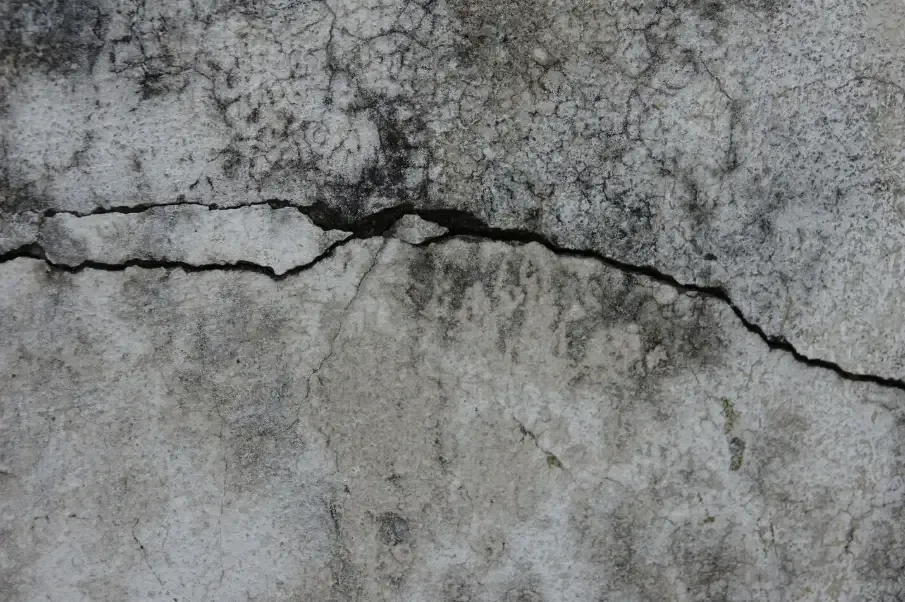
Cost is usually the deciding factor when selling a house with foundation problems, so it helps to know the ballpark before you commit. Many issues are less expensive than sellers fear, while major structural work can be significant. Here are typical 2025 ranges:
| Problem | First Name | Last Name |
|---|---|---|
| Hairline cracks | Seal with epoxy or hydraulic cement | $300–$800 |
| Horizontal cracks | Seal, reinforce, improve drainage | Up to $4,000 |
| Leaks / excess moisture | Sealing, sump pump, drainage fix | $2,000–$10,000 |
| Bowing wall | Carbon fiber or steel reinforcement | $4,000–$15,000 |
| Settling or sinking | Piering or slab stabilization | $4,500–$20,000+ |
| Major structural work | Underpinning or full leveling | $15,000–$30,000+ |
Actual costs depend on your home's size, soil conditions, materials, and region. Getting two or three quotes from licensed contractors gives you the numbers you need to decide whether repairs pay off.
How to Pay for Repairs Before Selling
If repairs make sense but cash is tight, you have several ways to finance them before selling a house with foundation problems. Home equity loans and HELOCs offer low rates for sellers with built-up equity and are typically paid off at closing. Home improvement loans give fast access to funds without tapping equity. Some homeowners use a 0% intro-APR credit card for smaller fixes, or take advantage of financing offered directly by the repair company. Government-backed options like the FHA Title I loan exist for sellers with limited equity or lower credit. The key is to weigh the borrowing cost against the added sale price the repairs are likely to bring.
What If the Buyer's Inspection Finds Problems?
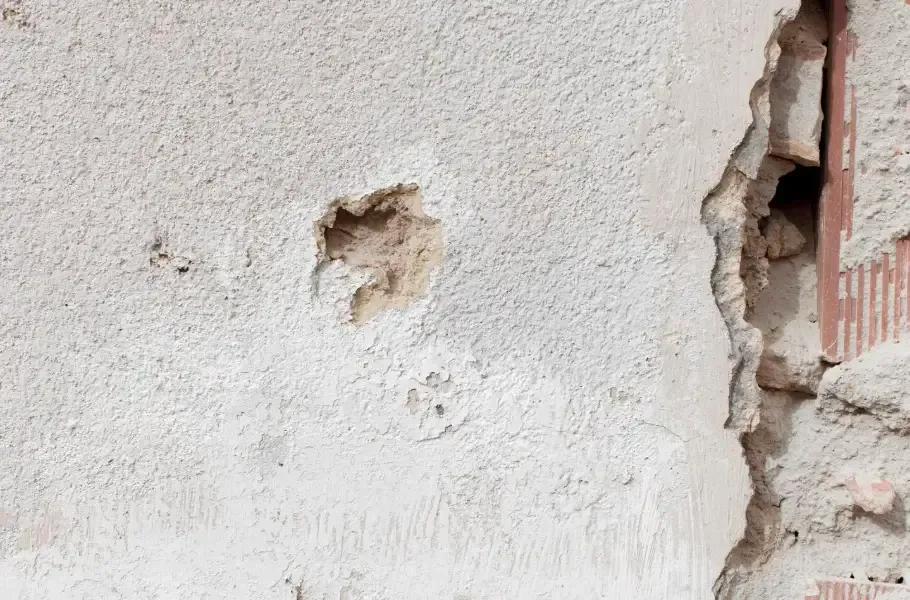
Sometimes foundation issues surface after you've accepted an offer. Don't panic; many of these deals still close. Typically the buyer brings in a structural engineer, then comes back to renegotiate. Expect a revised offer that asks you to complete repairs before closing, requests a repair credit so they can handle the work, or lowers the price to account for the damage.
Because relisting often limits you to lower cash offers, it's frequently smarter to work with the buyer you already have. Keep in mind the lender still has to approve the home's condition; even a willing buyer can be blocked if their lender refuses to finance a home with serious structural issues. One workaround is booking the repairs in advance and sending the invoice to the lender as proof the work is scheduled with a licensed contractor and paid for.
Negotiating With Buyers
When selling a house with foundation problems, flexibility keeps deals alive. You generally have four ways to handle buyer concerns: make the repairs before closing, lower the sale price, cover some of the buyer's closing costs, or offer a repair credit at closing so the buyer manages the work themselves. Each involves giving up some profit, but each can save a deal that would otherwise fall apart. Your agent can help you weigh which concession costs you the least while still satisfying the buyer and their lender.
Your Selling Checklist
To keep everything on track when selling a house with foundation problems, work through these steps in order:
- Get a professional inspection to confirm the extent of the damage.
- Document the issue with photos and a written engineer's report.
- Collect repair estimates from two or three licensed contractors.
- Decide to fix or sell as-is based on your budget and timeline.
- Disclose the damage clearly and honestly to buyers.
- Price the home accordingly, leaving room to negotiate.
- Market to the right buyers, including cash buyers if you're selling as-is.
- Work with an experienced agent to protect your bottom line.
Frequently Asked Questions
Can you actually sell a house with foundation problems?
Yes, and it happens every single day. Cracked walls, sticking doors, and a sloping floor do not doom your sale, they just change your game plan. You really have two roads: fix the foundation before you list to win over traditional buyers and a higher price, or sell it as-is to a cash buyer or investor for a faster, simpler close at a lower number. Which road is right comes down to your budget, your timeline, and how bad the damage actually is.
Do I legally have to tell buyers about it?
In almost every state, yes, and this is not the corner to cut. Known foundation defects have to go on the disclosure form, and quietly hiding one can follow you home as a lawsuit long after closing. Even in "buyer beware" states, concealing a major defect you knew about can still land on you. And practically speaking, roughly two-thirds of buyers hire an inspector, so it is coming out anyway. Getting ahead of it builds trust and keeps deals from blowing up in escrow.
How much will foundation issues knock off my price?
Unrepaired, plan on losing somewhere around 10 to 15 percent of your value, and severe structural damage that affects how livable the home is can drag that toward 20 to 30 percent. Here is the part sellers miss, though: a foundation that has been professionally repaired, with documentation and a transferable warranty, often shaves value by only a few percent, and in a hot seller's market it may cost you nothing at all. Proof of a proper fix flips the foundation from a red flag into a selling point.
Should I repair the foundation first or just sell as-is?
It comes down to your numbers, not your nerves. Repair first if you can afford or finance the work, the repair adds more value than it costs, and your timeline has room to wait, because that path usually nets the highest final price. Sell as-is if the repairs are too steep to justify, you need out fast, or you would rather hand the project to an investor and skip the construction headache. Repairing wins on price. As-is wins on speed and simplicity. There is no universally right answer, only the one that fits your situation.
What are these repairs really going to cost me?
Often less than the horror story in your head, though big structural work is no joke. Rough 2025 ranges: sealing hairline cracks runs about $300 to $800, horizontal cracks up to around $4,000, leaks and moisture fixes $2,000 to $10,000, a bowing wall braced with carbon fiber or steel $4,000 to $15,000, settling that needs piering $4,500 to $20,000 and up, and full underpinning or leveling $15,000 to $30,000 or more. Your real number depends on size, soil, and region, so pull two or three quotes from licensed contractors before you decide anything.
The buyer's inspector flagged the foundation. Is the deal dead?
Usually not, so do not panic. What typically happens next is the buyer brings in a structural engineer and comes back to renegotiate, asking you to complete repairs before closing, take a repair credit, or drop the price. Working with the buyer you already have usually beats relisting, since a fresh listing often drags you back down to lower cash offers. Just remember the lender still has to bless the home's condition, so one clean workaround is to book the repairs with a licensed contractor up front and send the invoice over as proof the work is scheduled and paid for.
Can a buyer even get a mortgage on a house with foundation issues?
This is the hurdle that trips up the most sales. Most conventional lenders, and especially FHA, VA, and USDA loans, will not approve a mortgage on a home with serious structural problems, which quietly shrinks your buyer pool to cash buyers, investors, and flippers who all expect a discount. That is exactly why a documented, warrantied repair can be worth it: it reopens the door to financed buyers and the better offers they bring. Not sure which way the math points for your home? Two Brothers Foundation Repair can inspect it and give you the real numbers. Call (832) 412-2791 or request an inspection.