

Buying a House With Foundation Issues? Read This First
Buying a house with foundation issues raises a lot of anxious questions, and you deserve straight answers before you risk your money. You found a home you love, the inspection flagged a crack or a sloping floor, and now you’re wondering whether to run or negotiate. Here’s the reassuring truth: foundation problems scare off most buyers, which can leave a genuine bargain for the one who does their homework. The whole game is telling a minor, cheap fix from a structural money pit, and it starts with recognizing the signs your foundation might be damaged.
This guide answers the exact questions buyers ask, in the order they come up, so you can decide with evidence instead of emotion.
Key Takeaways
- Buying a house with foundation issues can pay off, but only after a professional structural assessment tells you the real cost and cause.
- A general home inspector isn’t enough, hire an independent structural engineer for a written report.
- The cause matters more than the crack. Drainage, plumbing leaks, and expansive soil can cost more than the visible damage.
- Repairs range from a few hundred dollars to $30,000+. Get written estimates before you offer.
- Financing and insurance are common dealbreakers, so confirm both early.
- Use the repair estimate to negotiate, and be willing to walk away if the numbers don’t work.
Can you actually buy a house with foundation issues?
Yes. Buying a house with foundation issues is common and often a smart move, because reduced competition can translate to a lower purchase price. Foundation damage is rarely an automatic dealbreaker; the large majority of problems are repairable at a cost you can pin down in advance.
What separates a great decision from a costly one is information. If you understand the severity, the underlying cause, the repair price, and your financing options, you can buy with real confidence. Skip that homework and you’re gambling with the largest purchase of your life. So the honest question isn’t can you buy it, it’s whether this specific home at this specific price still makes sense once the true repair number is on the table.
How do you know how serious the damage is?
Don’t lean on a general home inspector alone. They’re trained to flag warning signs, but they typically can’t tell you how serious a foundation problem really is or what it will take to fix. The single most important step in buying a house with foundation issues is hiring an independent, licensed structural engineer to evaluate the foundation and produce a written report.
An engineer works for you, not for the sale. Their report identifies the cause of the movement, grades how severe it is, and specifies the recommended repair, and it becomes documentation you can hand to your lender and use at the negotiating table. Expect to pay a few hundred dollars, a rounding error against the price of a home and a tiny fraction of any repair bill. Ask the engineer to include rough repair costs in writing so every later decision rests on facts, not fear.
Minor vs. major: what the signs usually mean
Not every crack is a crisis. Use these general signals to gauge what you might be dealing with before the engineer confirms it:
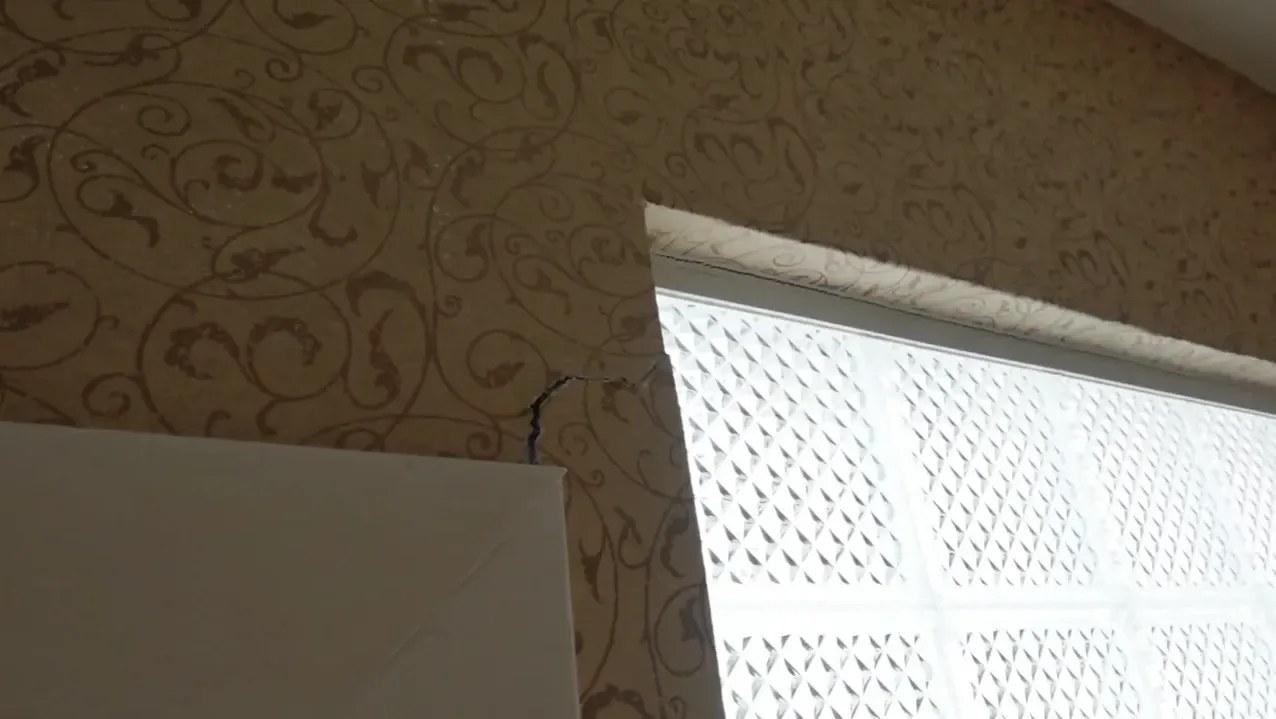
- Usually minor: thin hairline cracks in concrete or drywall, small settling cracks above doors and windows, minor moisture with no movement.
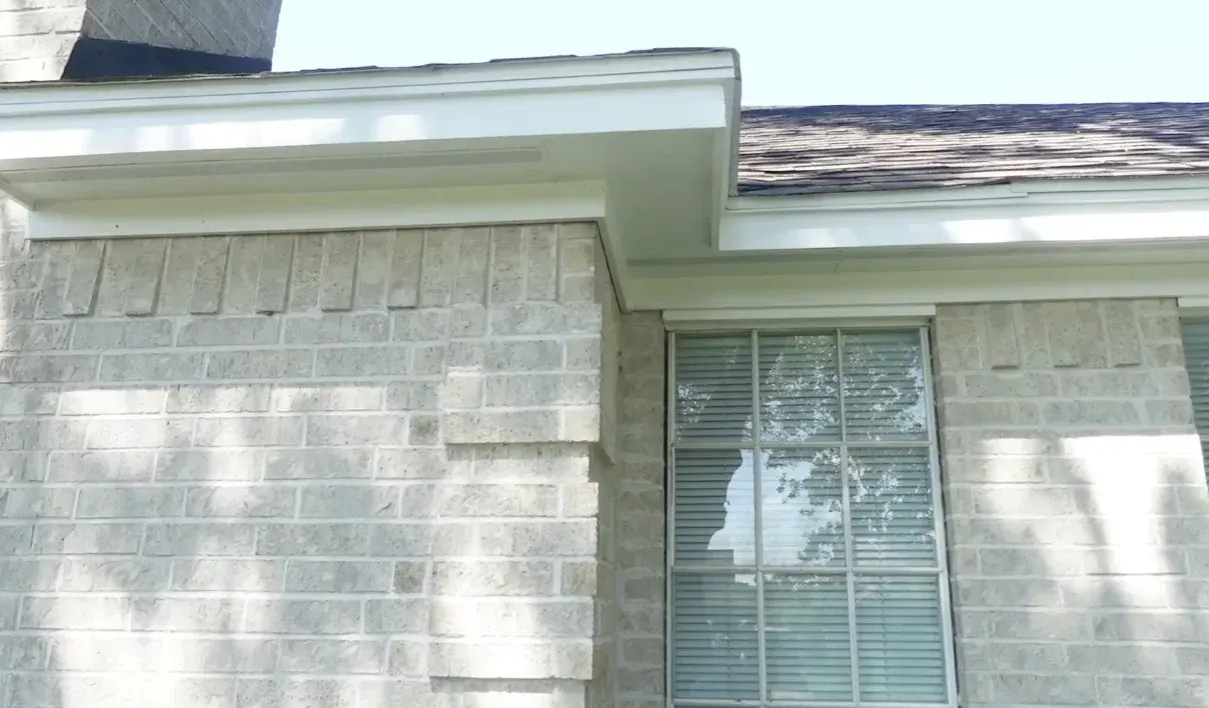
- Potentially major: horizontal cracks in foundation walls, stair-step cracks in block or brick, doors and windows that suddenly stick, sloping or bouncy floors, and gaps where walls meet the ceiling or floor.
The severity, not the presence, of cracks is what should drive your decision.
What’s really causing the problem?
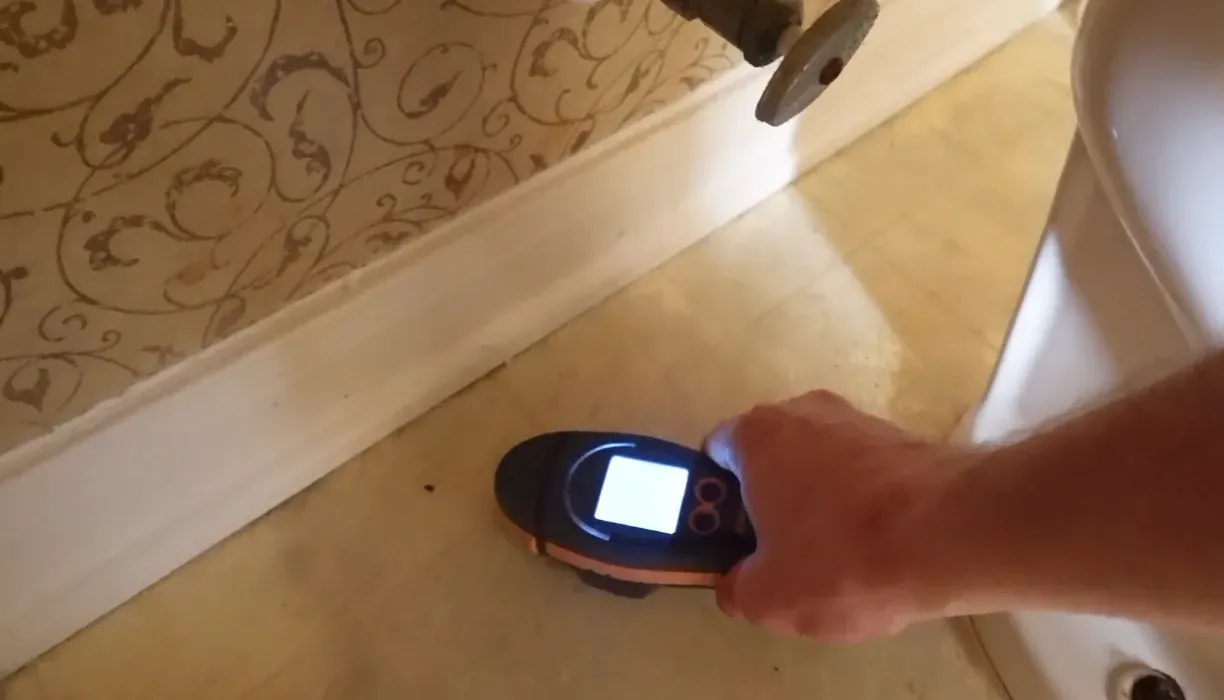
This question matters more than most buyers realize, because foundation damage is usually a symptom rather than the disease. Before buying a house with foundation issues, insist on finding out what’s actually driving the movement, since the hidden cause can cost more to fix than the crack you can see. The usual suspects are:
- Poor drainage that lets water pool against the foundation
- Plumbing leaks under the slab that wash out supporting soil
- Expansive clay soil that swells and shrinks dramatically with moisture
- Mold or wood rot that developed alongside chronic moisture
Make sure your engineer and inspectors trace the damage to its root. A crack repair might run a few thousand dollars, but the drainage failure or slab leak behind it could cost far more if it’s never addressed, and the cracks will simply return.
How much will foundation repairs cost?
Costs when buying a house with foundation issues depend on the specific fix, the size of the home, the soil, and how far the damage has progressed. Knowing the ballpark helps you weigh the discount against the work ahead. Typical ranges look like this:
- Sealing hairline cracks: $300–$800
- Reinforcing horizontal cracks or a wall section: up to $4,000
- Drainage and moisture fixes with a sump pump: $2,000–$10,000
- Stabilizing a bowing wall with carbon fiber or steel: $4,000–$15,000
- Piering or leveling a settling foundation: $4,500–$20,000+
- Major underpinning or full leveling: $15,000–$30,000+
Get two or three written estimates from licensed contractors rather than relying on the seller’s number or an inspector’s guess. A firm quote from a residential foundation repair company turns a frightening unknown into a simple line item you can subtract from the asking price.
Should you let the seller handle the repairs?
Be careful here. It sounds like a gift when the seller offers to fix the foundation before closing, but remember their only goal is to sell quickly and cheaply. They won’t live in the home, so they have little incentive to pay for the highest-quality, longest-lasting repair, and the results become entirely your problem the moment you sign.
If the seller insists on doing the work, protect yourself: require a licensed contractor, a transferable warranty, and full documentation, receipts, engineer sign-off, and before-and-after photos. Often the smarter play when buying a house with foundation issues is to negotiate a price cut or repair credit and hire a contractor you trust to do the job right on the home you’ll actually live in.
Do sellers have to disclose foundation problems?
In most states, sellers are legally required to disclose known foundation defects on a standardized disclosure form, and since roughly two-thirds of buyers hire an inspector, problems tend to surface anyway. But don’t assume a clean disclosure means a clean foundation. A handful of “buyer beware” states put the burden on you, and plenty of sellers genuinely don’t know what’s hiding beneath their floors. Treat the disclosure as a starting point, then confirm the home’s true condition with your own inspection and a structural engineer’s report.
Can you get a mortgage on a house with foundation issues?
Financing is one of the biggest hurdles in buying a house with foundation issues, and it’s where many deals stall. A pre-approval is not a guarantee. Most conventional lenders, and especially government-backed FHA, VA, and USDA loans, won’t finance a home with serious structural defects until repairs are complete. You may need a renovation loan (such as an FHA 203k), specialty financing, or a repair-before-closing arrangement, and you could face a higher interest rate.
Insurance is the other half of the equation. Standard homeowners policies usually won’t cover pre-existing damage or problems from gradual soil movement. Talk to both your lender and an insurance agent early, before you’re emotionally attached, so a financing or coverage surprise doesn’t blow up the deal at the last minute.
How do you negotiate the price?
This is where buying a house with foundation issues can genuinely pay off. With an engineer’s report and a real repair estimate in hand, you’re negotiating with facts instead of fear, and sellers know their buyer pool is small. You generally have three moves:
- Ask the seller to complete repairs before closing (with documentation and a warranty).
- Request a price reduction equal to the documented repair cost.
- Negotiate a credit at closing so you control the work and the contractor.
Base every request on the written estimate. When both sides work from the same real number, the conversation stays grounded and you’re far more likely to reach a deal that fairly accounts for the work.
A quick real-world example
Imagine a buyer who finds a home priced at $300,000 that they love, then the inspection reveals settling. The seller panics and other buyers walk. A structural engineer’s report puts the fix at $14,000 of piering. Armed with that estimate, the buyer negotiates the price down by $22,000, more than the repair, to account for the hassle and risk. They close, hire their own trusted contractor with a transferable warranty, and end up in the home they wanted with equity built in from day one. That’s the upside of doing the homework other buyers skip.
When should you walk away?
When buying a house with foundation issues, sometimes the smartest move is no deal at all. Seriously consider walking away when:
- Repair estimates approach or exceed the discount you’re getting
- The damage is severe or worsening and no one can pin down the cause
- You can’t secure financing or affordable insurance on the property
- The seller refuses to allow a proper structural inspection
- Comparable homes nearby are available in far better condition
Loving a home is fine; letting that feeling override the math is not. Walking away from the wrong house is exactly what protects you from a years-long, expensive headache.
The bottom line
Buying a house with foundation issues rewards preparation. For the prepared buyer, a home with foundation trouble can be a hidden bargain; for the unprepared, it's a trap. The whole decision comes down to replacing emotion with evidence: an engineer's report, a real repair estimate, a financing plan, and a price that reflects the work. Get those four things and you'll know with confidence whether to move forward or move on.
Before you commit, let the experienced team at Two Bros Foundation Repair inspect the property and give you an honest, detailed estimate. Knowing precisely what you're buying, and what it will cost to make it right, is the surest way to make the call with confidence. Reach out today for a professional evaluation.
Frequently Asked Questions
Is buying a house with foundation issues a mistake?
Not automatically, and sometimes it is the opposite. Foundation trouble scares off most buyers, and that thinned-out competition can hand the prepared buyer a genuine bargain. The large majority of problems are repairable at a cost you can actually pin down before you offer. The real question is never simply "can I buy it," it is whether this specific house at this specific price still makes sense once the true repair number is on the table. Get that number and you are deciding with evidence instead of fear.
Is a regular home inspection enough, or do I need a structural engineer?
Do not lean on the general inspector alone for this one. They are great at flagging warning signs, but they usually cannot tell you how serious a foundation problem really is or what it will take to fix. The move that protects you is hiring an independent, licensed structural engineer for a written report. They work for you, not the sale, and their report names the cause, grades the severity, and spells out the repair. It runs a few hundred dollars, a rounding error next to the price of the home, and it becomes your single best negotiating tool.
How do I tell a scary crack from a harmless one?
It is the severity, not the presence, of a crack that matters. Usually minor: thin hairline cracks in concrete or drywall, small settling cracks above doors and windows, and a little moisture with no actual movement. Potentially major: horizontal cracks in foundation walls, stair-step cracks through block or brick, doors and windows that suddenly stick, floors that slope or feel bouncy, and gaps where the walls meet the ceiling or floor. And watch for patterns, because several signs together, or damage that keeps getting worse, is the real red flag.
What is the repair actually going to cost me?
Depends on the fix, the home's size, the soil, and how far it has gone, but here are the ballparks so you can weigh them against the discount. Sealing hairline cracks runs about $300 to $800, reinforcing a horizontal crack or wall section up to around $4,000, drainage and moisture fixes with a sump pump $2,000 to $10,000, bracing a bowing wall $4,000 to $15,000, piering or leveling a settling foundation $4,500 to $20,000 and up, and major underpinning or full leveling $15,000 to $30,000 or more. Get two or three written estimates from licensed contractors, not the seller's number, and remember the hidden cause, a drainage failure or slab leak, can cost more than the crack you can see.
Should I let the seller fix the foundation before closing?
Be careful, because it sounds like a gift and often is not. The seller's only goal is to sell fast and cheap, they will never live in the house, so they have little reason to pay for the highest-quality, longest-lasting repair, and the result becomes your problem the moment you sign. If they insist on doing the work, protect yourself with a licensed contractor, a transferable warranty, and full documentation. Honestly, the smarter play is usually to take a price cut or repair credit and hire a contractor you trust to do it right on the home you will actually live in.
Can I even get a mortgage and insurance on it?
This is where deals stall, so check it early. A pre-approval is not a guarantee, and most conventional loans, plus FHA, VA, and USDA, will not finance a home with serious structural defects until repairs are done. You may need a renovation loan like an FHA 203k, specialty financing, or a repair-before-closing arrangement, possibly at a higher rate. Insurance is the other trap, since standard policies usually will not cover pre-existing damage or gradual soil movement. Talk to a lender and an insurance agent before you fall in love with the place, not after.
When should I just walk away?
When the math stops working, full stop. Walk when the repair estimate approaches or exceeds the discount you are getting, when the damage is severe or clearly worsening and nobody can pin down the cause, when you cannot line up financing or affordable insurance, when the seller refuses to allow a proper structural inspection, or when comparable homes nearby are available in far better shape. Loving a house is fine. Letting that feeling override the numbers is how people inherit a years-long money pit. Want a straight answer on a specific home? Two Brothers Foundation Repair can inspect it and give you an honest estimate before you commit. Call (832) 412-2791 or request an inspection.