

Concrete Piers vs Steel Piers: Which One Should You Pick?
Concrete piers vs steel piers is one of the biggest decisions you'll face when your foundation starts to fail. Cracks climbing up the drywall, doors that stick, and floors that slope are all signs your home has begun to settle, and the pier system you choose to fix it will determine whether that repair lasts a lifetime or has to be redone in a few years. Both systems can stabilize and lift a settling foundation, but they work in very different ways and suit very different conditions. If you want a broader overview first, it's worth reviewing the common foundation repair methods so you can see where piering fits into the bigger picture.
In this guide, we break down how each pier type works, their pros and cons, cost, and how to choose the right one for your home and soil.
What Are Foundation Piers?
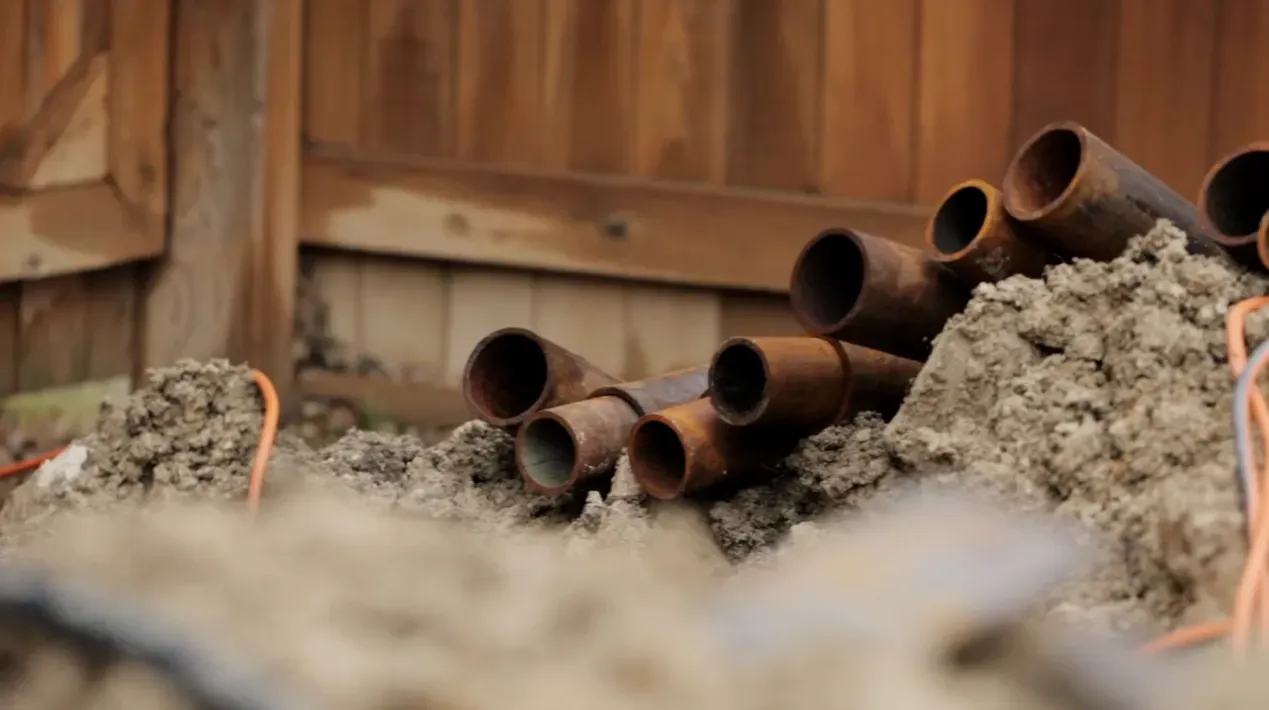
Before comparing concrete piers vs steel piers, it helps to understand what a pier actually does. A foundation pier is a vertical support driven or installed beneath your foundation to transfer the weight of your home from unstable surface soil down to firmer, more stable material below. When soil shifts, dries out, or washes away, sections of the foundation lose their support and sink. Piers restore that support by reaching down to soil or bedrock that doesn't move with the seasons, then lifting and holding the foundation in a stable position.
The two most common systems homeowners choose between are concrete piers and steel piers. Each has a long track record, and the right answer depends heavily on your soil, the depth of stable strata, the weight of your home, and your budget.
Concrete Piers: The Traditional Option
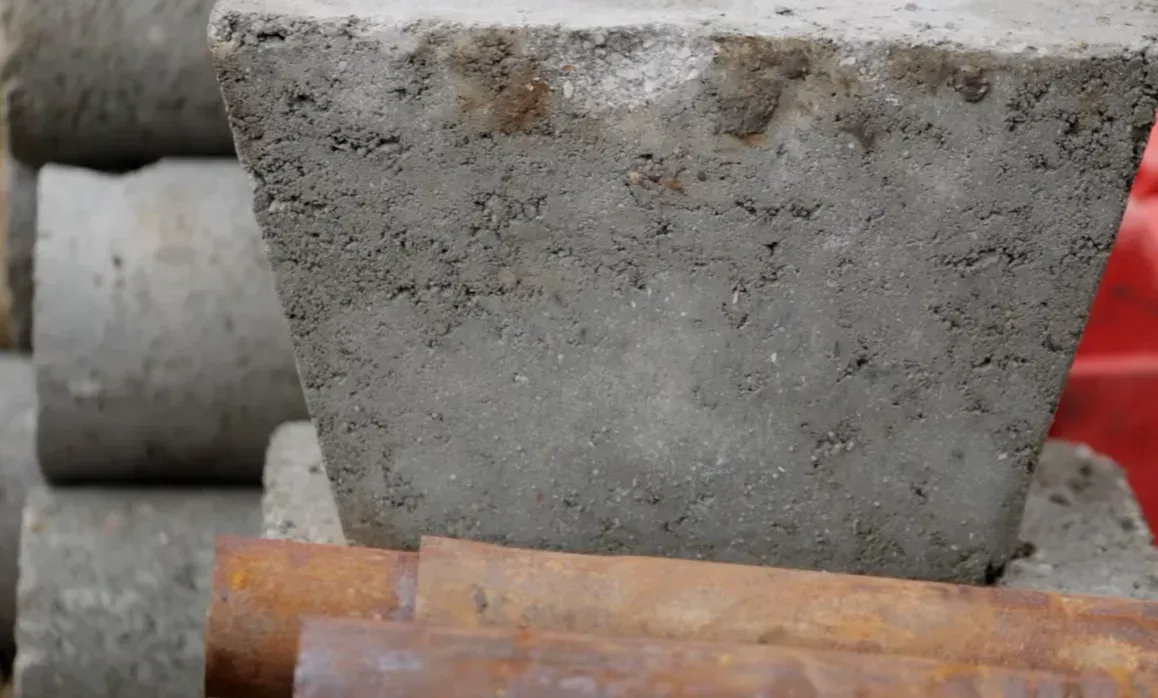
Concrete piers have been the standard foundation repair method for decades. Depending on the system, they are either poured in place or installed as pre-cast concrete cylinders pressed into the ground using the weight of the home to drive them down. They typically sit within the upper layers of soil rather than reaching deep bedrock.
In the concrete piers vs steel piers comparison, concrete's biggest appeal is cost. It is usually more affordable up front, the materials and labor are widely available, and in the right conditions it performs well for years. Concrete piers are an especially reasonable choice in areas where stable soil is relatively shallow, because the pier doesn't need to travel far to reach solid ground.
The trade-off is depth. Because pressed or poured concrete piers often stay within the active soil zone, the same layer that expands when wet and shrinks when dry, they can be affected by the very soil movement that caused the problem in the first place. In highly expansive clay soils, this can mean the repair is more vulnerable to future settlement, and moisture content in the soil plays a big role in how long the fix holds.
Concrete pier pros: lower upfront cost, readily available, well suited to shallow, stable soil, and a proven track record.
Concrete pier cons: shallower depth can leave them within moving soil, longevity is tied to soil moisture, and they may not suit homes needing deep stabilization.
Steel Piers: The Deep-Reaching Powerhouse
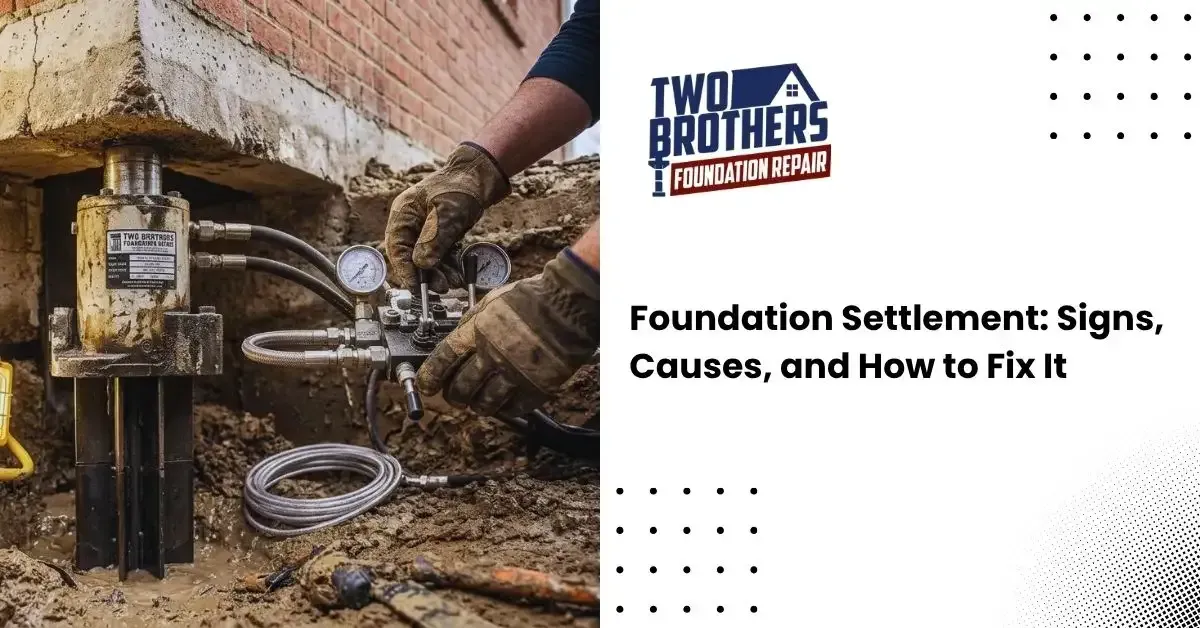
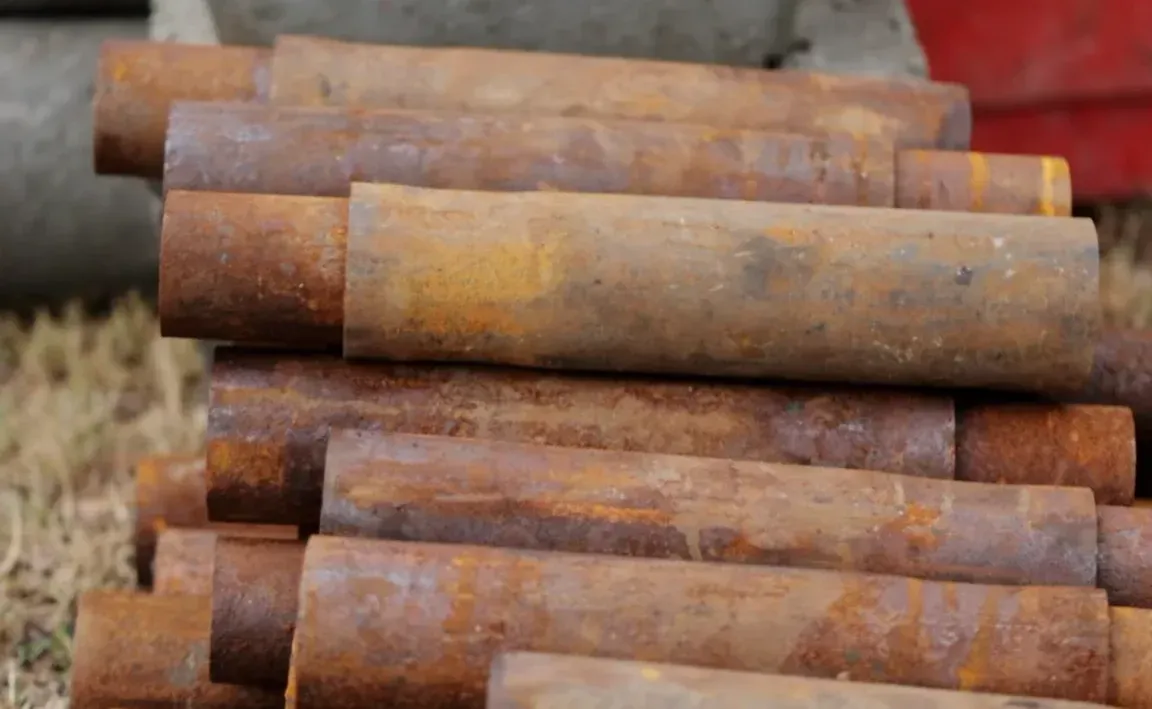
Steel piers, often called push piers, take a different approach. They are hydraulically driven deep into the ground, sometimes far deeper than concrete can reach, until they hit load-bearing strata or bedrock well below the active soil zone. Once they reach that stable layer, the home's weight is transferred down through the steel to ground that doesn't shift with moisture or weather.
This depth is the heart of the concrete piers vs steel piers debate. Because steel reaches beyond the soil that expands and contracts, it delivers dependable long-term stability even in the aggressive clay soils common across much of Texas and the South. Steel piers are also engineered to carry heavy structural loads and are frequently backed by lifetime transferable warranties, which adds value if you ever sell the home.
The main downside is a higher upfront cost. Steel is a more expensive material and the installation is more involved. For minor settlement over shallow stable soil, that extra investment isn't always necessary. But for deep soil movement, poor drainage, or homes where a permanent fix is the priority, many homeowners find steel's durability well worth the price over the life of the home.
Steel pier pros: reaches deep bedrock or load-bearing strata, excellent in expansive and shifting soils, handles heavy loads, and often carries a lifetime transferable warranty.
Steel pier cons: higher initial cost and sometimes more than a shallow repair requires.
Concrete Piers vs Steel Piers: The Key Differences
When you put concrete piers vs steel piers side by side, the differences come down to a few core factors. Depth is the biggest: concrete tends to stay shallower while steel drives down to stable strata. Cost is the next: concrete wins on upfront price, but steel can win on total cost of ownership by avoiding repeat repairs. Soil performance is where they truly separate, because in expansive clay, the deeper steel system resists the seasonal movement that can undermine a shallower concrete pier.
There's no universal winner, though. The best choice depends entirely on your specific conditions. A home on shallow, stable soil with minor settling may be perfectly served by cost-effective concrete piers, while a home on deep, moisture-sensitive clay with significant movement is usually a better candidate for steel. This is exactly why a professional evaluation matters so much, and why proper
house leveling and lifting starts with an assessment of your soil and structure before any pier is chosen.
What About Composite Piers?
There's a third option worth knowing about in the concrete piers vs steel piers conversation: composite piers. These combine both materials, driving steel down first to reach the correct depth, then stacking concrete on top to complete the piling. The idea is to capture the deep-reaching strength of steel with some of the cost advantages of concrete.
Composite piers aren't always necessary, but for homes facing challenging soil or needing extra reinforcement, they can offer a strong middle ground. When a contractor recommends them, it's usually because your soil conditions call for both depth and load support.
Cost Considerations
Budget is understandably a major part of the concrete piers vs steel piers decision. Concrete piers generally cost less to install, which makes them attractive for homeowners managing a tight budget or facing a smaller repair. Steel piers cost more up front because of the material and the deeper, more technical installation.
The smarter way to think about cost, however, is over the full life of the repair. A cheaper concrete pier that has to be redone after future settlement can end up costing more than a steel system that solves the problem permanently the first time. Weigh the upfront number against the likelihood of repeat repairs given your soil, and factor in any transferable warranty, which protects both your wallet and your home's resale value.
How to Choose the Right Pier for Your Home
Choosing between concrete piers vs steel piers comes down to matching the system to your conditions. Consider your soil type first: expansive clay and shifting soils favor the deeper reach of steel, while shallow, stable ground can make concrete a sound and economical choice. Think about drainage, since poor drainage accelerates soil movement and can shorten the life of a shallower concrete repair. Factor in the weight and size of your structure, your long-term plans for the home, and your budget.
Above all, don't guess. The single most important step is a professional foundation inspection that evaluates your soil, the depth of stable strata, the extent of the damage, and the load your foundation carries. Only then can you know with confidence which pier system will keep your home level for decades.
Get an Expert Assessment
The concrete piers vs steel piers question doesn't have a one-size-fits-all answer, and that's actually good news, because it means there's a right solution tailored to your exact situation. Concrete piers offer an economical fix for shallow, stable conditions, while steel piers deliver deep, permanent stability for challenging soils. The key is knowing which one your home truly needs.
If you're seeing cracks, sticking doors, or uneven floors, the experienced team at Two Bros Foundation Repair can inspect your foundation, test your soil, and recommend the pier system that fits your home and budget. Reach out today to protect your foundation with a solution built to last.
Frequently Asked Questions
What is the difference between concrete piers and steel piers?
Both are vertical supports that transfer your home's weight from unstable surface soil down to firmer ground, but they reach that ground differently. Concrete piers are poured in place or pressed into the soil as pre-cast cylinders using the weight of the home, and they typically stay within the upper soil layers. Steel piers, often called push piers, are hydraulically driven much deeper until they hit load bearing strata or bedrock below the active soil zone. That depth difference is the heart of the comparison.
Which is better, concrete or steel piers?
There is no universal winner, because the best choice depends on your soil, the depth of stable ground, the weight of your home, and your budget. A home on shallow, stable soil with minor settling may be well served by cost effective concrete piers, while a home on deep, moisture sensitive clay with significant movement is usually a better candidate for steel. This is exactly why a professional evaluation matters before any pier type is chosen.
How deep do concrete piers vs steel piers go?
Depth is the biggest difference. Concrete piers usually stay shallower, often in the range of about 12 to 20 feet, which can leave them within the active soil zone that expands and contracts with moisture. Steel piers can be driven far deeper, commonly 30 feet or more and sometimes much deeper, until they reach stable strata or bedrock that does not shift with the seasons. When stable soil is deep, steel is typically required to reach it.
How much do concrete piers vs steel piers cost?
Concrete piers are generally the more affordable option up front, often falling in the range of a few hundred to around a thousand dollars per pier, while steel piers commonly cost roughly twice as much because of the material and the deeper, more technical installation. The smarter way to weigh it is total cost of ownership: a cheaper concrete pier that has to be redone after future settlement can end up costing more than a steel system that solves the problem permanently the first time.
Are steel piers worth the extra cost?
For the right conditions, yes. Because steel reaches beyond the soil that expands and contracts, it delivers dependable long term stability even in the aggressive clay common across Texas and the South, handles heavy structural loads, and is frequently backed by a lifetime transferable warranty that adds resale value. For minor settlement over shallow, stable soil, that extra investment is not always necessary, but for deep soil movement, poor drainage, or a permanent fix, many homeowners find steel well worth the price.
What are composite piers?
Composite piers combine both materials, driving steel down first to reach the correct depth, then stacking concrete on top to complete the piling. The goal is to capture the deep reaching strength of steel with some of the cost advantages of concrete. They are not always necessary, but for homes facing challenging soil or needing extra reinforcement they can be a strong middle ground, which is why a contractor usually recommends them only when your soil calls for both depth and load support.
Which pier is best for expansive clay soil?
Expansive clay and shifting soils generally favor the deeper reach of steel piers, because a shallower concrete pier can remain within the very layer that swells when wet and shrinks when dry, leaving the repair more vulnerable to future settlement. Poor drainage makes that movement worse. That said, the only way to know for certain is a professional inspection that tests your soil, measures the depth of stable strata, and assesses the load your foundation carries. Two Brothers Foundation Repair can do exactly that. Call (832) 412-2791 or
request an inspection.