

Bowing Walls in a House: Causes, Warning Signs, and How to Fix Them
A wall is supposed to be straight. So when you notice one curving inward, leaning, or bulging in the middle, your instinct that something is wrong is correct. Bowing walls in a house are not like
normal house settling cracks, which are usually cosmetic. A bowing wall is a structural warning that outside pressure is pushing harder than the wall was built to resist. Left alone, it can crack, lean further, and in the worst cases fail completely. This guide explains what causes walls to bow, the signs to watch for, how serious it is, and the repair methods that stabilize and straighten a bowing wall.
Are Bowing Walls Serious?
Yes. A bowing wall almost always points to a structural problem, not a surface flaw. Foundation and basement walls are built to hold back the soil and water pressing against them, and when that pressure wins, the wall starts to give. The good news is that bowing happens slowly, so catching it early gives you options. The danger is in ignoring it. Over time a bowing wall can develop widening cracks, lean further out of position, and eventually risk partial or total collapse. The amount a wall has bowed is the clearest measure of how urgent the repair is.
What Causes Walls to Bow in a House
Nearly every bowing wall traces back to pressure from the soil and water outside it. The common causes are:
- Hydrostatic pressure, the most common cause, where soil saturated by rain or poor drainage presses its water weight against the wall.
- Expansive clay soil that swells when wet and shrinks when dry, pushing and pulling on the foundation through every wet and dry season.
- Poor drainage from clogged gutters, short downspouts, or ground that slopes toward the house, all of which feed water to the soil against the wall.
- Freeze-thaw and frost heave, where water in the soil freezes, expands, and forces the wall inward in colder weather.
- Improper backfill or soil pressure, where soil packed against the foundation during construction was never properly compacted.
- Tree and shrub roots growing close to the foundation and pressing against the wall as they expand.
- Age and original construction, since older walls slowly lose compressive strength, and under-reinforced or poorly built walls give way sooner.
Warning Signs of a Bowing Wall
Walls do not bow overnight, so the signs build gradually. Watch for these:
- A visible bulge, curve, or inward lean when you sight down the length of the wall.
- Horizontal cracks, often in the middle or upper part of the wall, a classic sign of outside pressure.
- Stair-step cracks following the mortar joints in a concrete block wall, which signal movement.
- Diagonal cracks spreading from corners or openings.
- Water seepage, damp spots, or efflorescence, the white mineral deposits left when water passes through.
- Doors and windows that begin to stick as the structure shifts, sometimes with a musty odor or mold in lower areas.
How Bad Is It? Measuring the Bow
A quick way to gauge urgency is how far the wall has moved from straight. This is not a substitute for a professional inspection, but it helps you understand what you are likely looking at.
| How Far the Wall Has Bowed | Typical Severity | Common Repair Direction |
|---|---|---|
| Slight bulge, under about 2 inches | Early stage, often stable | Carbon fiber straps to stop further movement |
| Noticeable bow, around 2 inches or more | Active and progressing | Wall anchors or steel I-beam bracing |
| Severe bow with wide cracks or shifting | Urgent | Reinforcement, possible rebuild, address the cause |
Whatever the measurement, a bowing wall is moving for a reason, and a professional inspection is the only way to confirm how active it is and what is driving it.
How Bowing Walls Are Repaired
Fixing a bowing wall is a job for professionals, and the right method depends on how far the wall has moved and how much access the site allows. The most common solutions are:
Carbon Fiber Straps
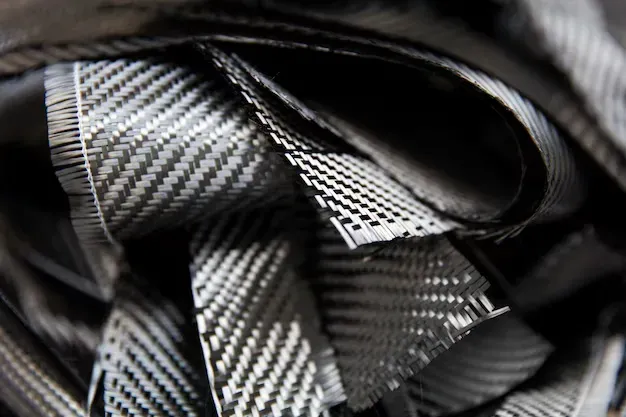
For minor bowing, usually under about two inches, strong carbon fiber straps are bonded vertically to the wall. They lock the wall in place and stop it from bowing further. This is the least invasive option, though it holds the wall where it is rather than pushing it back to straight.
Wall Anchors
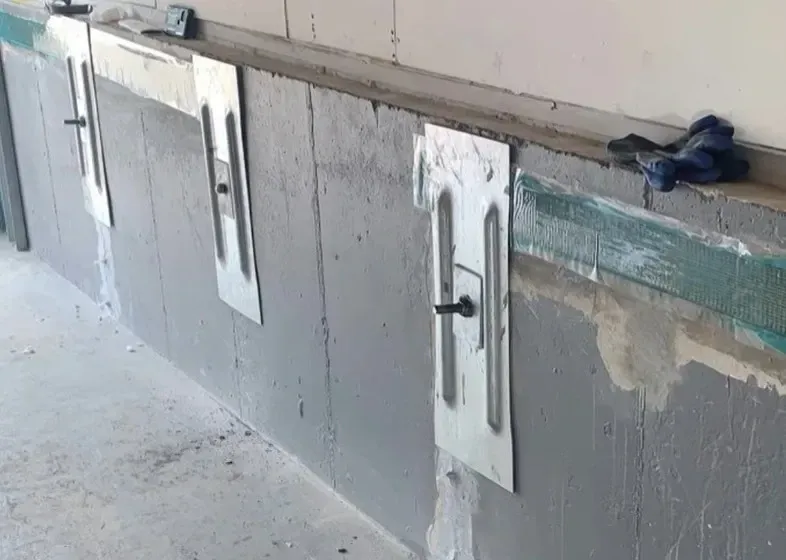
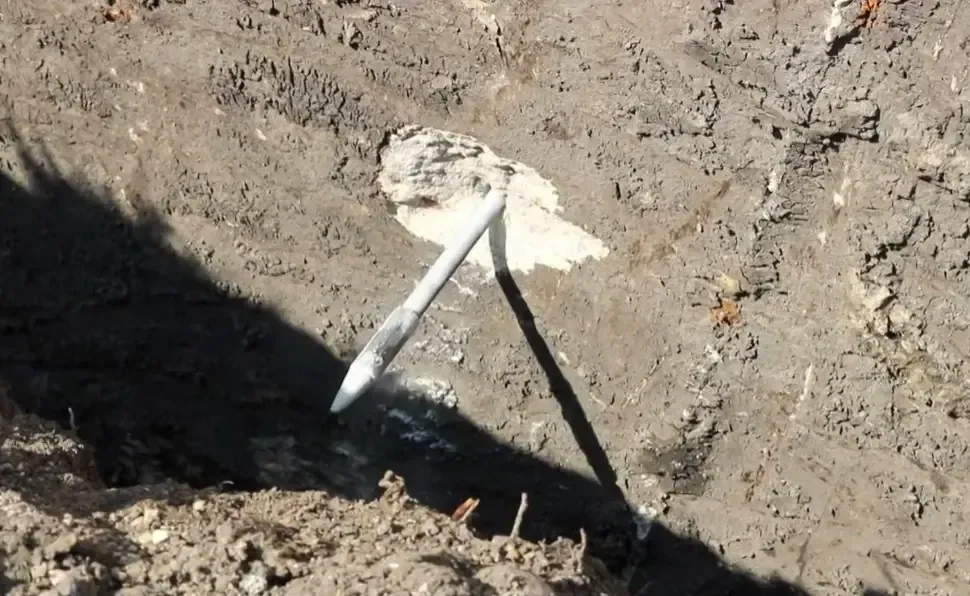
For more significant bowing, wall anchors connect a plate on the inside of the wall to an anchor buried in the soil outside, joined by a steel rod. The anchor is tightened over time to gradually pull the wall back toward straight. This method needs open yard space for the exterior anchor.
Steel I-Beams and Wall Bracing
Steel I-beams are installed vertically against the wall and secured to the floor and the framing above. They brace the wall, provide immediate support, and can be adjusted over time to straighten it. This is a good choice when there is no room outside to excavate for anchors.
Equally important, a lasting repair has to address the cause, not just the wall. That usually means correcting drainage and grading so water stops collecting against the foundation. Pairing structural reinforcement with professional foundation repair that fixes the underlying pressure is what keeps a bowing wall from moving again after it is stabilized.
Bowing Walls and Texas Clay Soil
In Houston and much of Texas, expansive clay makes bowing walls more likely. The clay soaks up water and swells after heavy rain, then shrinks and pulls back in dry spells, working on foundation and retaining walls year-round. Poor drainage makes it worse by feeding water straight to soil that is already prone to swelling. Bowing tends to show up most in homes where water collects against the foundation, so on a Texas lot, keeping water away from the walls is one of the most effective things a homeowner can do to protect them.
How to Prevent Bowing Walls
Because water and soil pressure are the root cause, prevention focuses on keeping water away from the foundation:
- Keep gutters clean and extend downspouts several feet away from the house.
- Grade the soil so it slopes away from the foundation, roughly six inches of fall over the first ten feet.
- Add drainage where water tends to pool against the walls.
- Keep large trees and shrubs well back from the foundation so roots do not press against it.
- Watch for and repair early cracks or bulges before pressure builds further.
When to Call Two Brothers Foundation Repair
A bowing wall is one of the few foundation problems that should never wait, because the pressure causing it does not ease on its own. If you see a bulge, a horizontal or stair-step crack, or a wall that is leaning inward, Two Brothers Foundation Repair can inspect the wall, measure how far it has moved, identify what is driving the pressure, and recommend the right reinforcement for your home and soil. Catching a bowing wall early almost always means a simpler, less expensive repair than waiting until it fails.
Final Thoughts
Bowing walls in a house are a structural warning, not a cosmetic one. They come from soil and water pressure pushing harder than the wall can resist, most often hydrostatic pressure from saturated expansive clay and poor drainage. The signs are clear once you know them: bulging, horizontal and stair-step cracks, and water seepage. The fixes, from carbon fiber straps to wall anchors to steel bracing, work best when caught early and paired with drainage corrections that remove the cause. If you spot a bowing wall, get it inspected promptly. It is the surest way to protect your home and keep a manageable repair from turning into a major one.
Frequently Asked Questions
Are bowing walls in a house serious?
Yes. A bowing wall is a structural problem caused by outside soil and water pressure. It will not correct itself, and if ignored it can crack further, lean more, and eventually risk collapse, so it should be inspected promptly.
What causes a wall to bow?
The most common cause is hydrostatic pressure from soil saturated with water, especially expansive clay that swells when wet. Poor drainage, freeze-thaw cycles, improper backfill, tree roots, and aging construction can all contribute.
How do I know if my wall is bowing?
Look for a visible bulge or inward lean, horizontal cracks in the middle or upper wall, stair-step cracks in block walls, and water seepage or white efflorescence. Sticking doors and windows can also accompany the movement.
How much does a wall have to bow before it is dangerous?
Bowing under about two inches is often stable and can be held with carbon fiber straps. Around two inches or more usually signals active movement that needs wall anchors or steel bracing. Any amount paired with widening cracks should be assessed quickly.
How are bowing walls repaired?
Common methods are carbon fiber straps for minor bowing, wall anchors that pull the wall back toward straight over time, and steel I-beam bracing for support. A lasting fix also corrects the drainage causing the pressure.
Can I fix a bowing wall myself?
No. Bowing walls involve structural loads and soil pressure that require professional assessment and engineered solutions. A surface patch will not stop the wall from moving and can hide a worsening problem.
Why are bowing walls common in Texas?
Much of Texas sits on expansive clay that swells after rain and shrinks in drought, putting repeated pressure on foundation and retaining walls. Poor drainage adds to the problem by keeping that soil saturated.
How can I prevent bowing walls?
Keep water away from the foundation. Clean gutters, extend downspouts, grade soil to slope away from the house, add drainage where water pools, keep large trees back, and repair early cracks before pressure builds.