

Slab Leak Repair and Detection: Signs, Costs, Fixes
Slab leak repair and detection are skills every slab foundation homeowner hopes they never need, yet the warning signs show up in thousands of homes every year: a water bill that climbs for no reason, a warm patch on the tile, the faint sound of running water when every fixture is off. Because the pipes run beneath the concrete, a slab leak can quietly cause water damage, mold, and foundation movement long before anyone sees a drop of water. Catching it early matters for your plumbing and your budget alike, since untreated leaks are a major driver of the foundation repair costs Houston homeowners face when saturated soil starts shifting the slab above it.
This guide walks through what causes slab leaks, the warning signs to watch for, how professionals pinpoint a leak without tearing up your floor, and the repair options that fix both the pipe and any foundation damage it caused.
What Is a Slab Leak?
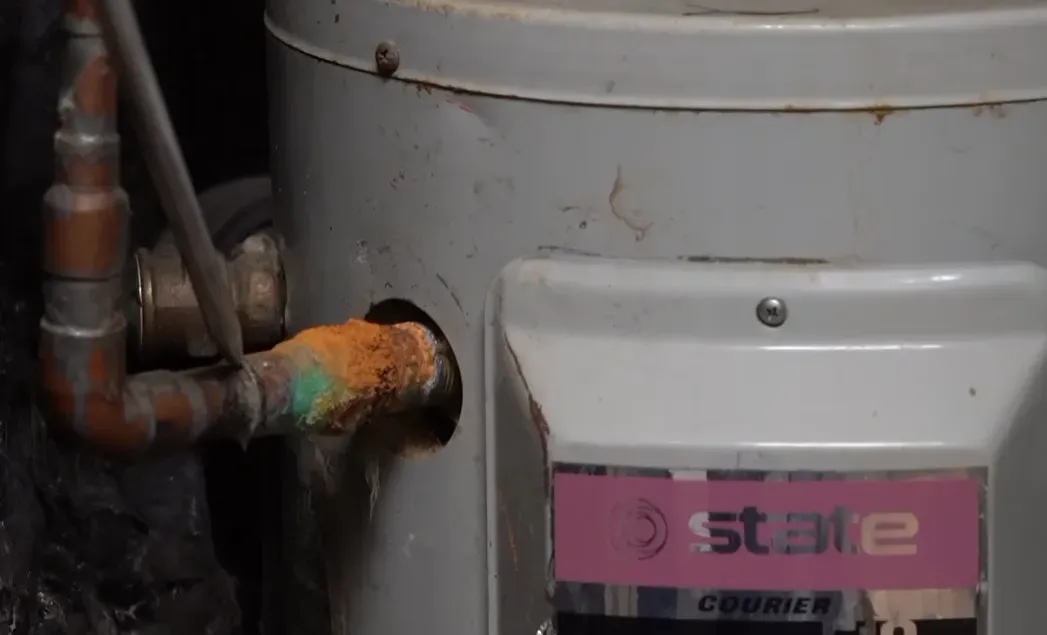
A slab leak is a leak in the water supply or drain lines that run beneath or within a home’s concrete slab foundation. Most slab built homes have copper or PEX water lines and cast iron or PVC drains routed under the concrete, so when one of those pipes fails, the water has nowhere to go but into the soil beneath your home. The most common causes include:
- Shifting and expansive soil. As clay heavy soil swells and shrinks with moisture changes, the slab and the pipes beneath it flex. Over years, that movement stresses joints and pipe walls until they crack.
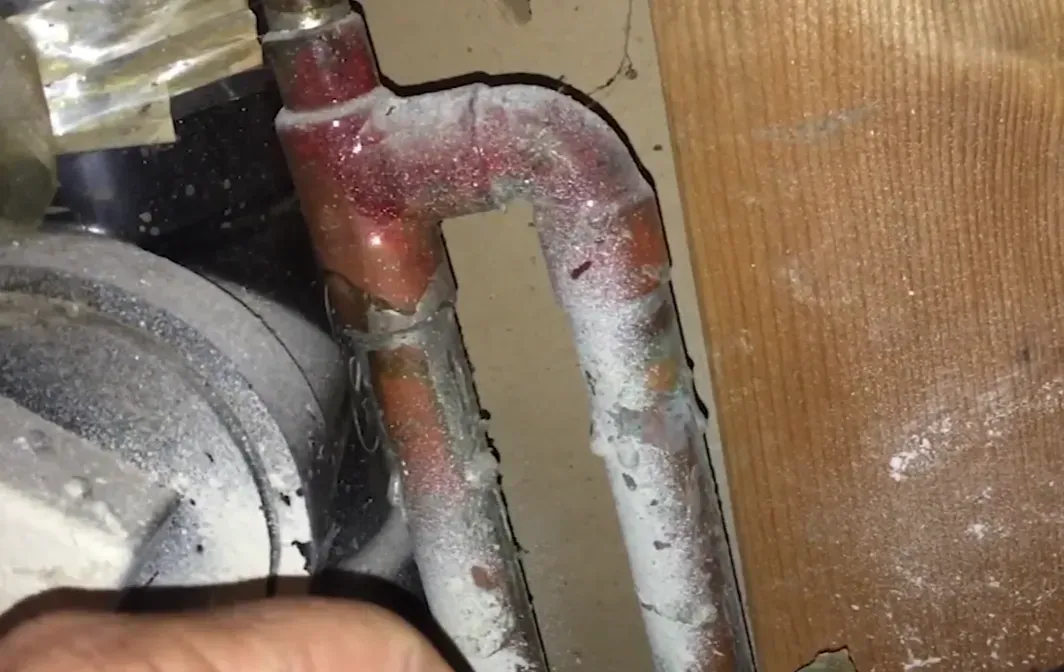
- Corrosion. Copper lines are vulnerable to chemical reactions with minerals in the water and soil, thinning pipe walls from the inside or outside.
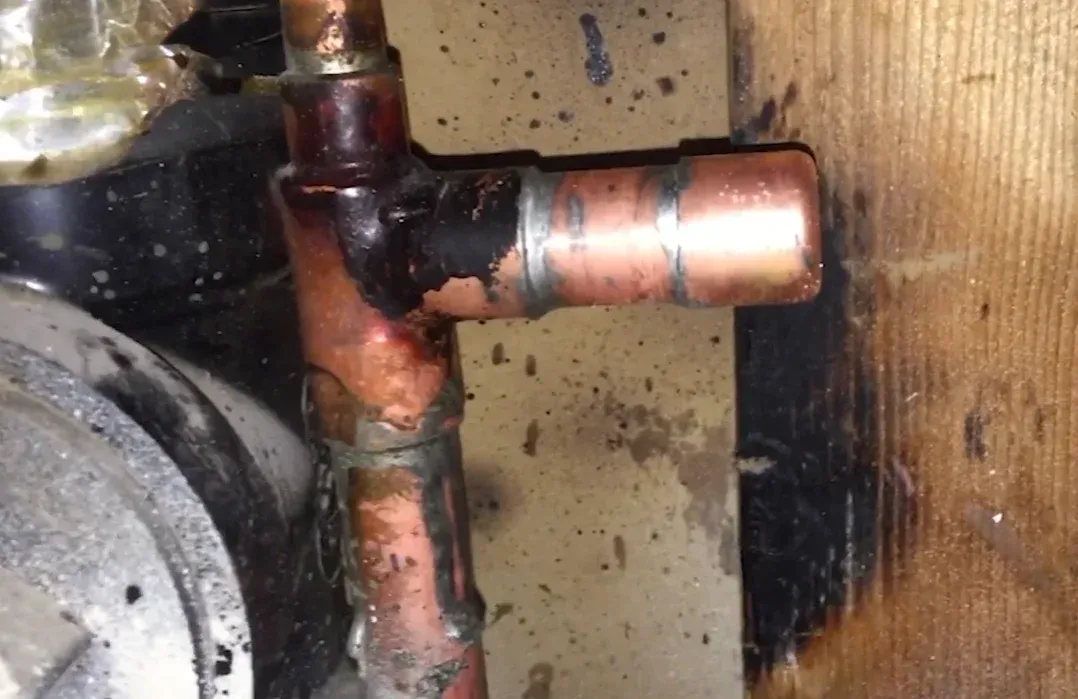
- Abrasion. Pipes that vibrate against concrete, rebar, or gravel every time water runs eventually wear through at the contact point.
- Poor installation. Kinked lines, sloppy joints, or missing sleeves at slab penetrations set a pipe up to fail years later.
- High water pressure. Pressure above roughly 80 psi steadily fatigues joints and fittings throughout the system.
Warning Signs of a Slab Leak
Slab leaks hide well, but they leave clues. Call for professional detection if you notice:
- An unexplained jump in your water bill from one month to the next
- Warm or hot spots on the floor, a classic sign of a leaking hot water line
- The sound of running water when all fixtures and appliances are off
- Damp carpet, cupping wood floors, or moisture seeping through tile grout
- A sudden drop in water pressure at faucets and showers
- Musty odors or mold appearing along baseboards and floor edges
- New cracks in floors or walls, or doors that begin to stick
A quick self check: turn off every fixture and water using appliance, then watch your water meter for 15 to 20 minutes. If the dial keeps moving, water is escaping somewhere in the system, and lines under the slab are a prime suspect.
Why a Slab Leak Threatens Your Foundation
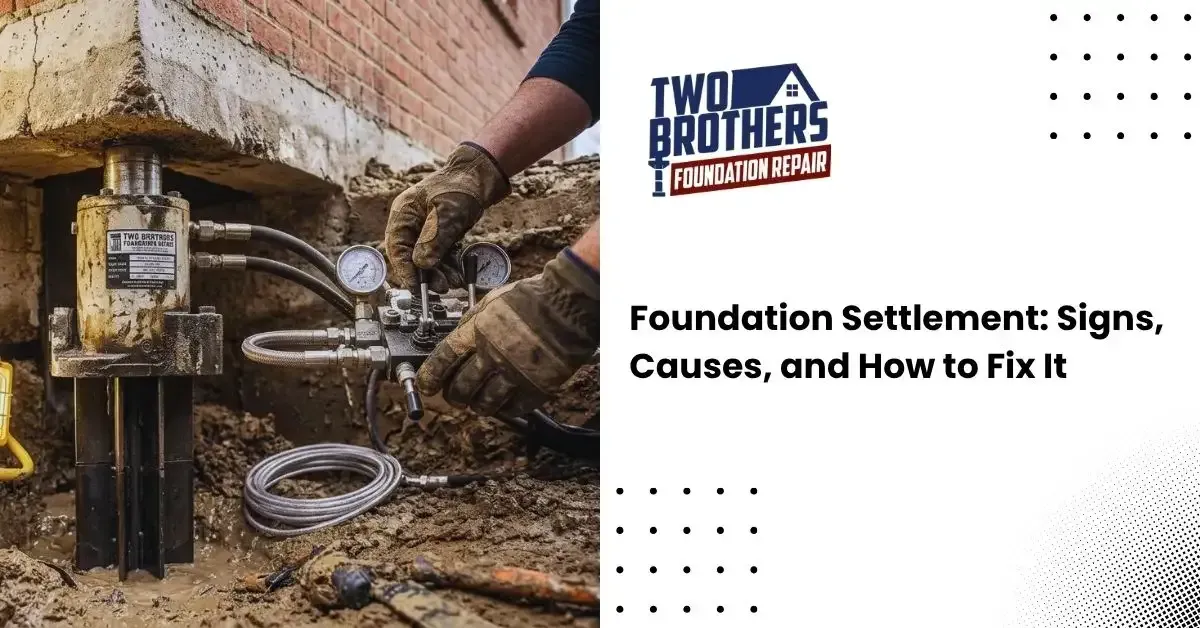
The plumbing damage is only half the story. Water escaping under the slab saturates and erodes the supporting soil, and each outcome is bad for the structure. Softened clay lets sections of the slab settle and crack, while constant moisture can cause expansive soil to heave upward. In severe cases, escaping water washes out enough soil to create voids beneath the home, producing symptoms similar to the signs of a sinkhole under your house: dipping floors, spreading cracks, and separation around door frames. This is why slab leak repair and detection should be treated with urgency - every week the leak runs, the foundation risk grows.
How Professionals Detect a Slab Leak Without Breaking the Floor
The golden rule of modern slab leak work is simple: pinpoint the leak before anyone touches a jackhammer. Non invasive detection protects your flooring, shrinks the repair footprint, and prevents exploratory demolition in the wrong spot. Professionals combine several tools:
- Acoustic listening equipment. Sensitive ground microphones pick up the hiss or rush of pressurized water escaping a pipe, letting a technician trace the sound to its loudest point.
- Electronic line tracing. Locators map exactly where the water lines run beneath the slab, so listening and repair work follow the actual pipe path instead of guesswork.
- Pressure and isolation testing. Sections of the plumbing are isolated and pressure tested to confirm which line is losing water, and whether it is the hot or cold side.
- Thermal imaging. Infrared cameras reveal temperature differences in the slab surface, quickly outlining the warm plume from a hot water leak.
- Video pipe inspection. For drain line leaks, a camera travels through the pipe itself to show the exact location and condition of the failure.
Used together, these methods typically locate a leak within a foot or two, turning what could be a demolition project into a targeted repair.
Slab Leak Repair Options
Once the leak is located, the right fix depends on where it sits, the condition of the plumbing, and how much disruption your home can tolerate. A professional slab leak foundation repair team will walk you through the tradeoffs of each approach.
Spot Repair Through the Slab
For an isolated, precisely located leak, crews open a small section of concrete directly above the pipe, repair or replace the damaged segment, then repour the slab and restore the flooring. It is the most direct fix, though it is also the most disruptive inside the home.
Tunneling Under the Slab
Instead of breaking floors, crews excavate a tunnel from outside the home to reach the leaking line from below. Professional tunneling under the slab preserves expensive tile, wood, and stone flooring and lets your family stay in the house while the work happens. It is more labor intensive, but for many homeowners the undisturbed interior is well worth it.
Pipe Rerouting or Repiping
When a line has failed once, its twin failures are often coming. Rerouting abandons the leaking pipe under the slab and runs a new line overhead through walls or the attic. For homes with aging copper throughout, a full repipe solves the current leak and prevents the next several.
Trenchless Epoxy Pipe Lining
For suitable pipes, a resin coated liner is inserted into the damaged line and cured in place, creating a new pipe inside the old one with no excavation at all. It is fast and minimally disruptive, though heavily corroded or collapsed lines may not qualify.
Repairing the Foundation After the Leak
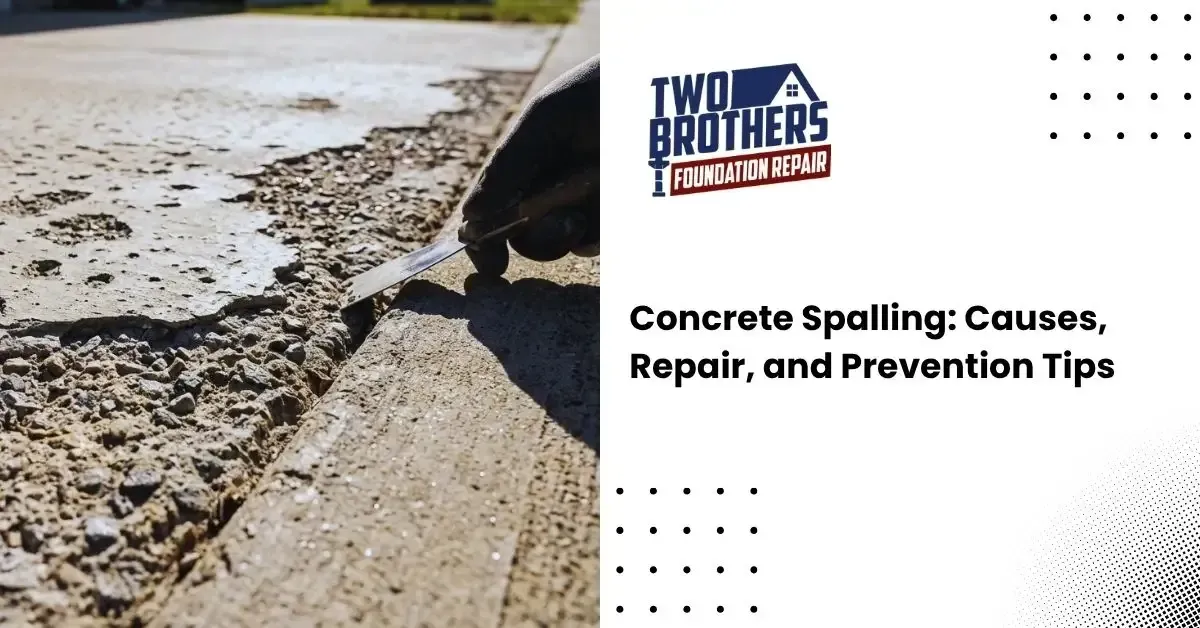
Fixing the pipe is step one; the slab itself often needs attention next. Depending on how long the leak ran, that can mean filling washed out voids, releveling settled sections, and repairing cracks with proper structural materials - our guide to the
best concrete for foundation repair explains what belongs in a lasting patch. Where settlement has left the slab cracked or uneven, professional
concrete slab repair restores a level, stable surface and closes the entry points water opened up. Skipping this step leaves the home sitting on compromised support even after the plumbing is sound.
What Does Slab Leak Repair and Detection Cost?
Professional leak detection typically runs a few hundred dollars, and many companies credit that fee toward the repair. Repair pricing varies widely by method: a simple accessible spot repair may cost several hundred to a couple thousand dollars, while tunneling, rerouting, or repiping projects commonly range from $2,000 to $10,000 or more depending on pipe length and access. Foundation restoration after a long running leak adds to the total. Two numbers put this in perspective: detection is the cheapest part of the entire process, and every month of delay makes the expensive parts bigger. Homeowners insurance sometimes covers sudden leak damage but rarely covers gradual leaks, so document everything and contact your insurer early.
Fast, Accurate Help for Slab Leaks
Slab leak repair and detection reward speed and precision: find the leak fast, open as little as possible, fix the pipe correctly, and restore the foundation beneath your home. The team at Two Brothers Foundation Repair handles the full picture, from pinpoint detection and under slab access to structural repairs that put your home back on solid, dry ground. Contact us today for a free evaluation and stop a hidden leak before it becomes a foundation problem.
Frequently Asked Questions
How do I know if I have a slab leak or just high usage?
Shut off every fixture and appliance, then watch your water meter for 15 to 20 minutes. Movement with everything off indicates a leak. Warm floor spots, running water sounds, and damp flooring push the odds strongly toward a slab leak.
Is a slab leak an emergency?
Treat it like one. The leak will not heal itself, and the longer water saturates the soil under your slab, the greater the risk of settlement, voids, and structural damage on top of the plumbing repair.
Can a slab leak cause foundation damage?
Yes. Escaping water erodes or swells the soil supporting the slab, leading to settlement, heaving, and cracking. Many foundation repair projects trace back to a slab leak that ran undetected for months.
How long does slab leak repair take?
Detection usually takes a few hours. Spot repairs and trenchless lining are often finished in a day, while tunneling, rerouting, and slab restoration can take several days depending on scope.
Will my insurance pay for slab leak repair?
Policies commonly cover damage caused by a sudden leak, such as ruined flooring, but often exclude the pipe repair itself and damage from long term gradual leaks. Review your policy and file promptly with documentation from your detection report.