

How to Water Your Foundation With a Soaker Hose (Texas Drought Guide)
Soaker hose foundation watering is one of the cheapest things a Texas homeowner can do to prevent a repair bill that runs into the thousands. It sounds strange to water concrete, but you are not watering the slab. You are watering the soil that holds it up. Across most of the state, that soil is expansive clay, and the
soil types in Texas that shrink the most in a drought are exactly the ones under the majority of Houston-area homes. When clay dries, it pulls away from the foundation and the slab loses support. This guide explains why that happens, how to set up a soaker hose correctly, how long and how often to run it, and the mistakes that turn a good idea into a new problem.
Why Texas Foundations Need Watering
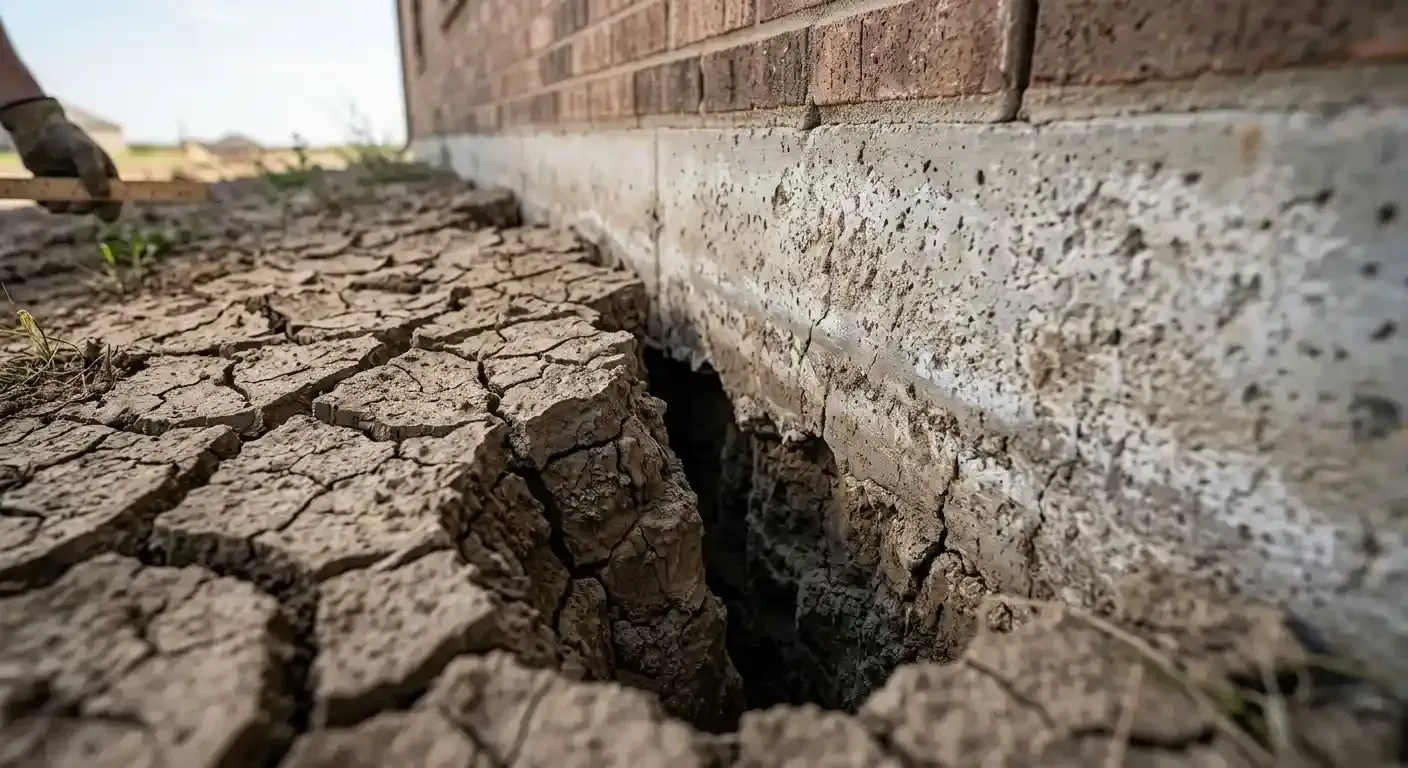
Clay soil behaves like a sponge. When it is wet it swells, and when it dries it shrinks, sometimes by a surprising amount. During a Texas summer with weeks of 100 degree days and no rain, the top few feet of clay can lose enough volume to open a visible gap between the soil and the edge of your slab. The foundation edges sink into that void while the center, which is shaded by the house and holds moisture longer, stays put. The slab bends, and the result is cracked brick, sticking doors, sloping floors, and drywall cracks at the corners of windows.
Then the rains return, the clay swells again, and the edges rise. That heave and drop, repeated year after year, is the main reason foundation repair is so common in Texas. Soaker hose foundation care does not stop the clay from being clay. It keeps the moisture level consistent so the soil never goes through the extreme shrink phase in the first place.
Signs Your Soil Is Drying Out
You do not have to guess. Walk the perimeter of the house during a dry spell and look for:
- A gap between the soil and the foundation. Anything wider than about 1/4 inch means the clay has shrunk away from the slab.
- Cracks in the soil surface. Wide, deep cracks in bare dirt or under bushes are the clay splitting as it dries.
- Hard, dusty soil that a screwdriver will not push into more than an inch.
- Dead or wilting plants close to the house while lawn farther out still looks fine.
- New hairline cracks in brick mortar, or doors that suddenly rub in late summer.
- Gaps opening between trim and walls or between the floor and baseboards.
If you see the gap, you are already behind. The goal of a soaker hose foundation routine is to start before the soil pulls away, not after.
Why a Soaker Hose Instead of a Sprinkler
A soaker hose is a porous hose that weeps water slowly along its entire length. That slow, even delivery is why soaker hose foundation watering works where sprinklers fail. Sprinklers spray water onto the surface faster than clay can absorb it, so most of it runs off or evaporates, and they wet the slab and siding rather than the soil. A soaker hose puts water directly on the ground at a rate the clay can take in, so it soaks down to where the foundation actually rests. It also uses far less water, which matters when your city is in drought restrictions.
How to Set Up a Soaker Hose Around Your Foundation
Setup takes an afternoon and a trip to the hardware store. Here is the soaker hose foundation setup step by step:
- Buy enough hose to circle the house. Measure the perimeter and add a little for corners. Standard soaker hoses come in 25, 50, and 75 foot lengths. Keep each run under 100 feet or the far end will barely weep.
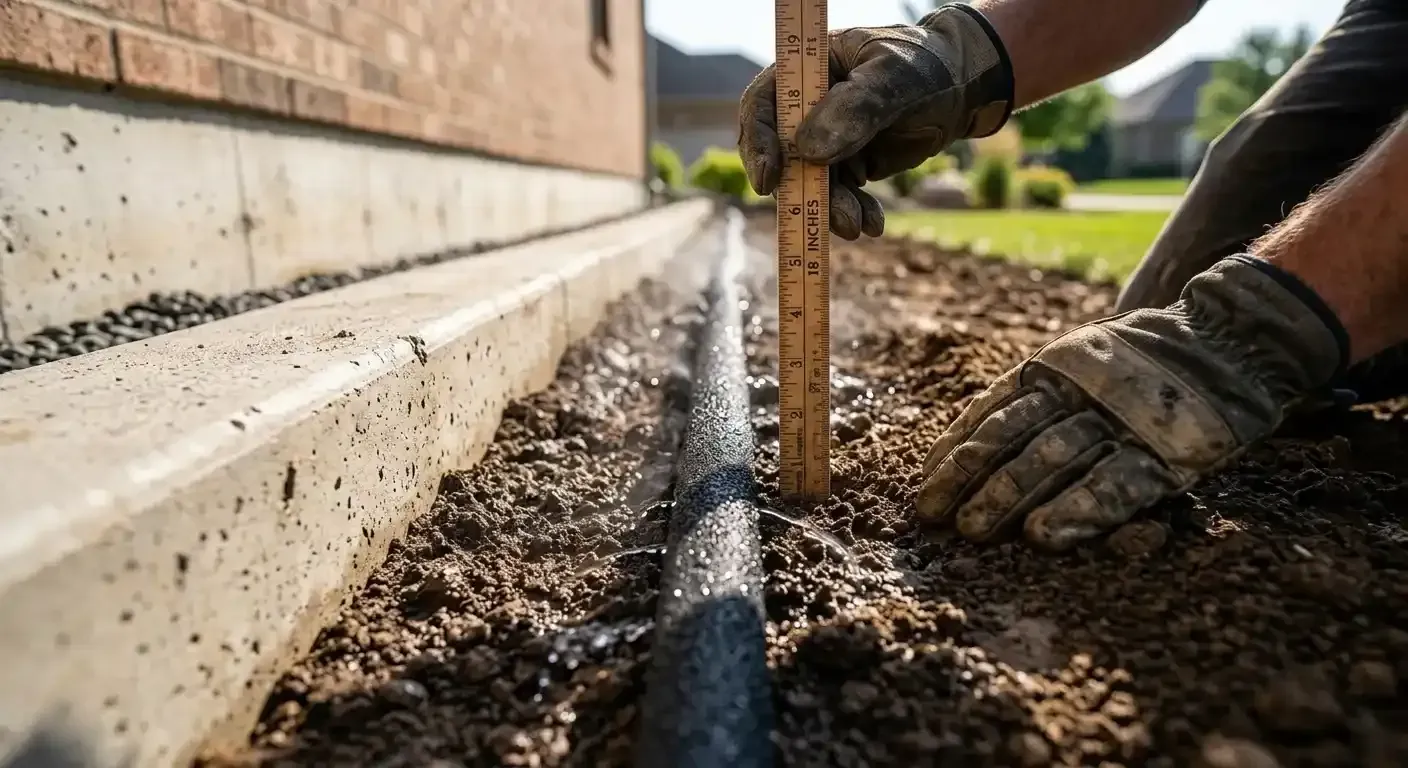
- Place the hose 12 to 18 inches from the foundation. Not against the slab. Water applied directly at the edge runs down the face of the concrete and into the gap rather than soaking the soil evenly. Setting it a foot or more out wets the soil the foundation sits on.
- Lay it flat on the soil, not on mulch or rock. The hose has to touch dirt to soak in. Pull back mulch, lay the hose, then cover it again to slow evaporation and protect it from sun.
- Circle the entire house. Watering one side and not the others creates the same uneven moisture you are trying to prevent. Run separate hoses from different spigots if one loop cannot reach all the way around.
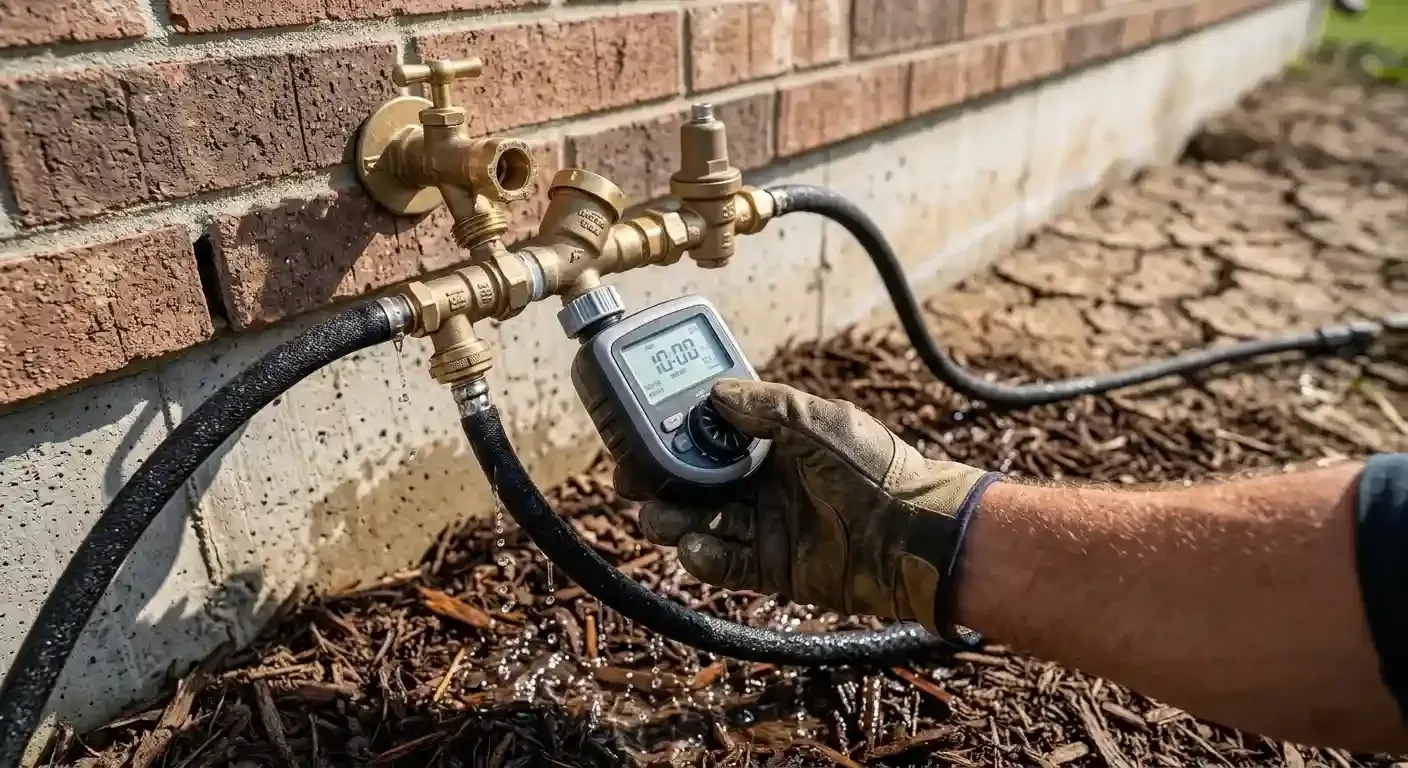
- Add a pressure regulator and a timer. Soaker hoses work best at low pressure, and a simple battery timer at the spigot makes the schedule automatic.
- Use a backflow preventer. Most timers include one, and many cities require it on any hose left connected.
- Test it. Turn the water on and walk the loop. The hose should weep along its whole length with no spraying, kinks, or dry stretches.
How Long and How Often to Run It
There is no single correct number because soil, shade, slope, and hose type all change how fast water soaks in. The target is simple: the soil 4 to 6 inches down should feel damp, never muddy and never dusty. Start with these general soaker hose foundation guidelines and adjust based on what you find when you dig a small test hole.
- Peak summer drought (no rain for two weeks or more): run the hose 30 to 45 minutes per day, or 60 to 90 minutes every other day.
- Warm and dry but not extreme: 20 to 30 minutes, three to four times a week.
- Mild seasons with occasional rain: once or twice a week, or skip weeks with a good soaking rain.
- Winter: usually none, though a dry, windy winter in Texas can still shrink clay. Check the soil monthly.
Run the hose in the early morning or evening so less water is lost to evaporation. A soaker hose foundation schedule should be steady rather than heavy. Watering for three hours once a week does less good than 30 minutes daily, because clay absorbs slowly and excess water simply runs off.
Automated Foundation Watering Systems
A hose and timer work well for many homes, but they need attention. Hoses clog with mineral deposits, timers fail, and it is easy to forget to adjust the schedule when the weather shifts. For larger homes, homes with a history of foundation movement, or owners who travel, professionally installed foundation watering systems put buried drip lines on a dedicated zone with a rain sensor and moisture control. The water goes deeper and more evenly than a surface hose can manage, nothing is visible in the landscaping, and the system runs itself. Contractors who repair foundations often recommend one as part of the repair plan, because a stabilized slab still needs consistent soil moisture to stay stable.
Watering Restrictions and Drought Stages
Most Texas cities adopt staged drought restrictions during dry summers, and the rules vary widely. Many, including several in the Houston region and cities such as Denton, treat foundation watering with a soaker hose or drip line differently from lawn sprinklers, and some allow it on days or at hours when sprinkler use is banned. Others require the hose to be within a certain distance of the foundation to qualify. Before you set a timer, check your city's current drought stage and its specific foundation watering rules on the city website. Following the exemption correctly lets you protect the slab without a citation.
Common Soaker Hose Foundation Mistakes
Done wrong, foundation watering can cause the problems it is meant to prevent. Avoid these errors:
- Overwatering. Soil that stays soggy swells the clay and can heave the slab, and constant wet soil against the foundation invites termites and moisture intrusion. Damp is the goal, not saturated.
- Watering only one side. Uneven moisture is the enemy. If the shaded north side stays moist naturally, water it less, but do not skip it entirely.
- Placing the hose against the slab. Water pours into the gap instead of soaking the soil, and it can seep under the foundation edge.
- Ignoring drainage. If your yard slopes toward the house or downspouts dump at the foundation, fix that first. Adding water to a spot that already floods makes things worse.
- Starting too late. Watering after the soil has already cracked and pulled away takes weeks to rehydrate. Begin when the first dry spell hits, usually June in Houston.
- Forgetting the hose exists. A soaker hose left running with no timer for days can put thousands of gallons into one strip of soil.
- Using it as a substitute for repair. If the foundation has already moved, watering slows further damage but does not lift the slab back into place.
Soaker Hose Foundation Watering in Houston
Houston sits on some of the most active clay in the state, and the combination of long, hot summers with heavy fall rain is exactly the shrink and swell cycle that damages slabs. Companies that handle
foundation repair in Houston, TX see a wave of new calls every August and September for the same reason: edges that dropped during the drought. A steady soaker hose foundation routine started in late spring prevents a large share of those calls. Pair it with good drainage, extended downspouts, and root barriers for large trees near the house, and the soil under your slab stays close to the same moisture level twelve months a year.
Already Seeing Cracks? Get the Foundation Checked
A soaker hose foundation plan protects a slab that is still level. If the summer has already left you with cracked brick, sticking doors, or a visible gap around the house, the soil needs water and the foundation needs an inspection. Two Brothers Foundation Repair offers free foundation inspections across the Greater Houston area, more than 20 years of experience with Gulf Coast clay, and a lifetime transferable warranty on every repair. Call 832-957-2755 to schedule your inspection and find out whether watering alone is enough or whether the slab needs more.
Frequently Asked Questions
How far from the foundation should a soaker hose be?
About 12 to 18 inches from the edge of the slab. That distance wets the soil the foundation bears on without sending water straight down the face of the concrete.
How long should a soaker hose foundation watering session last?
In peak drought, 30 to 45 minutes a day or 60 to 90 minutes every other day is a common starting point. Adjust until the soil 4 to 6 inches down stays damp but not muddy.
Can watering a foundation cause damage?
Yes, if you overdo it. Saturated clay swells and can heave the slab, and constant wet soil against the house attracts termites. Keep the soil evenly damp, water all sides, and skip days after significant rain.
Should I water my foundation in winter?
Usually not on a schedule, but check the soil monthly. A dry, windy Texas winter can shrink clay almost as much as summer, and a few short waterings may be needed.
Is a soaker hose or a drip system better for foundations?
A soaker hose is inexpensive and effective when maintained. A buried drip system with a timer and moisture control waters deeper and more evenly and requires no attention, which makes it the better choice for homes with a history of movement.
Will watering fix my foundation cracks?
Watering can close small gaps and slow further movement as the clay rehydrates, but it cannot lift a slab that has settled. If cracks are wider than 1/4 inch or doors and floors are affected, schedule an inspection.