

Sealing Basement Wall Floor Joint: A Complete Guide
Sealing basement wall floor joint leaks is one of the first ideas homeowners reach for when they spot water creeping across the basement floor after a heavy rain. It makes sense on the surface: there's a visible gap where the wall meets the floor, water is coming through it, so plug the gap. Unfortunately, the joint where your wall and floor meet, known as the cove joint, is not a simple crack you can caulk shut and forget. It exists by design, it leaks because of pressure from the ground, and the wrong fix can actually make the problem worse. Before you grab a tube of sealant, it helps to understand exactly what a cove joint is and why it behaves the way it does.
In this guide, we explain why the cove joint leaks, why surface sealing alone usually fails, when a sealant does help, and the lasting solutions that actually keep your basement dry.
What Is the Wall-Floor Joint?
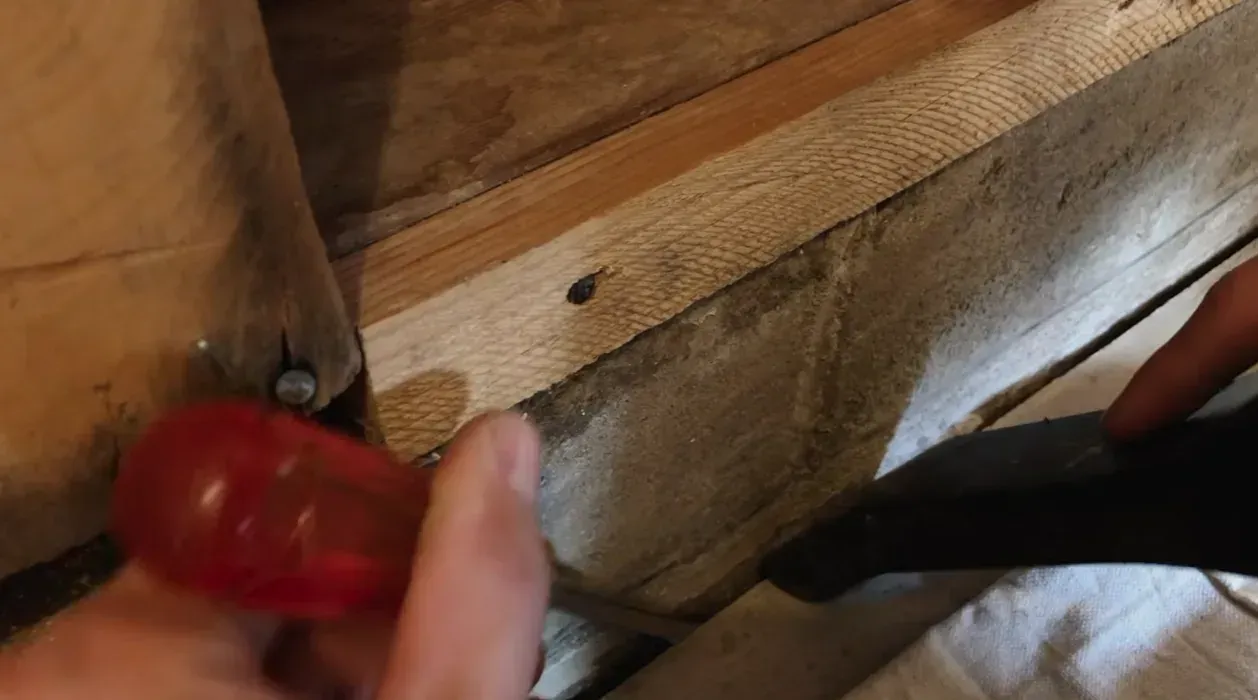
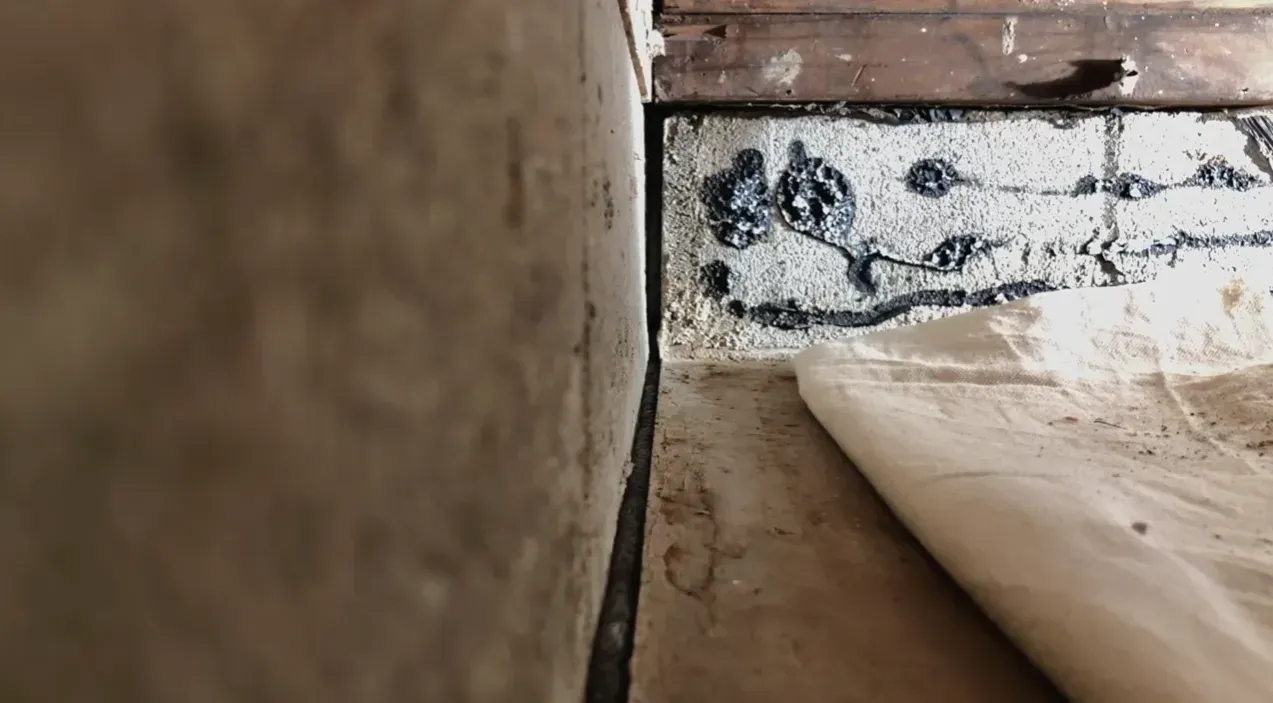
The wall-floor joint, or cove joint, is the seam created where your poured foundation wall meets the basement floor slab. It forms because of how a foundation is built. First the footings are poured, then the foundation walls are poured on top of them and allowed to cure. Only after the walls have been set is the basement floor poured inside them. Because the floor and walls are poured at different times, they never fully bond, leaving a small but continuous gap around the entire perimeter of the basement.
This gap is normal and even necessary; it lets the slab and walls move independently without cracking. But that same gap is also a ready-made path for water. So when people talk about sealing basement wall floor joint problems, they are really talking about controlling water at this built-in seam, not eliminating the seam itself.
Why the Cove Joint Leaks
Water in the cove joint is almost always a pressure problem. After heavy or prolonged rain, the groundwater level in the soil around your foundation rises. That saturated soil creates hydrostatic pressure, the force of standing water pushing in every direction, including up and sideways against your foundation. Water under pressure searches for any opening, and the cove joint is one of the easiest openings to find.
As the pressure builds, water is forced up through the joint and onto your basement floor. This is why cove joint leaks often appear suddenly during storms and then dry up afterward, only to return with the next downpour. The timing is a clear clue: if your basement floods along the perimeter during wet weather and stays dry the rest of the time, pressurized groundwater at the cove joint is almost always the cause rather than a plumbing leak or simple condensation. Understanding this pressure is the key to understanding why simply sealing basement wall floor joint gaps from the inside rarely solves the problem on its own.
Why Sealing Alone Usually Fails
It feels logical to run a bead of sealant or hydraulic cement along the joint and call it done. In the short term, that may even appear to work. But over time, surface sealing of the wall-floor joint tends to fail in one of two predictable ways.
First, the water you blocked does not disappear; it is still under pressure and still looking for a way in. Once you close the cove joint, that water simply migrates to the next weakest point, often a crack in the floor, a gap around a pipe penetration, or a porous spot in the wall. You end up chasing leaks around the basement instead of fixing one.
Second, the sealant itself gives way. Hydrostatic pressure is relentless, and over repeated wet seasons it pushes behind or through the sealant until the bead lifts, cracks, or blows out entirely. When that happens, all the water that was being held back pours through the failure point at once. This is the core reason professionals warn against relying on sealing basement wall floor joint surfaces as a standalone, permanent fix.
If you are seeing recurring moisture, staining, or efflorescence along the joint, it is worth having a professional assess the source. The team behind
foundation cracks and leaks repair can determine whether you're dealing with simple condensation, a pressurized cove joint, or a structural issue that needs more than a cosmetic patch.

When Sealing the Joint Does Help
None of this means sealant has no place. Sealing basement wall floor joint gaps can be a reasonable part of the solution in specific situations, as long as expectations are realistic. If the moisture is minor, the result of occasional humidity or light seepage rather than pressurized groundwater, a quality polyurethane or epoxy joint sealant can reduce dampness and improve the look and feel of the space.
Sealing also plays a supporting role alongside a real drainage system. In many professional installations, the joint is sealed in combination with an interior drainage channel so that any water reaching the joint is captured and redirected rather than blocked. The difference is that the sealant is no longer fighting hydrostatic pressure alone; the drainage system relieves the pressure, and the seal handles the rest. Used this way, sealing basement wall floor joint surfaces becomes a finishing touch rather than the entire repair.
Lasting Solutions That Actually Work
Because the real culprit is water pressure in the soil, the lasting solutions all focus on managing that water rather than just blocking the joint. In other words, the goal of any sealing basement wall floor joint plan should be to remove the pressure first, then control the moisture, so the repair holds up storm after storm instead of failing the next time the water table rises.
Interior drain tile. This is the most commonly recommended fix for a leaky cove joint. A perforated pipe is installed in a gravel bed beneath the basement floor around the perimeter. It collects water before it can rise through the joint and routes it to a sump pit, where a sump pump discharges it safely away from the home. Interior drain tile relieves the hydrostatic pressure that drives the leak, and it can be installed without disturbing your landscaping.
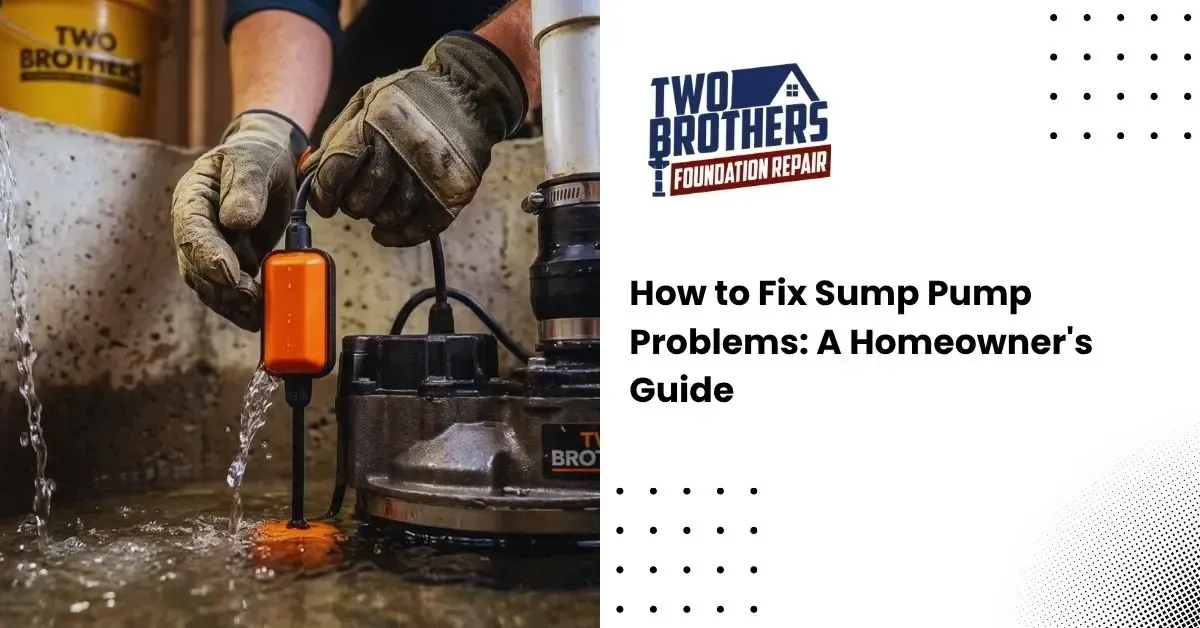
Sump pump system. Drain tile needs somewhere to send the water, and that's the sump pit and pump. A reliable pump, ideally with a battery backup for storms and power outages, is what keeps the collected water moving out instead of backing up into the joint. Without a working pump, even the best drain tile will eventually overflow and send water right back to the cove joint, which is exactly the leak you set out to stop.
Exterior waterproofing membrane. Where interior work isn't enough or isn't possible, a waterproof membrane can be applied to the outside of the foundation walls. This requires excavation around the home, but it stops water before it ever reaches the foundation. It's more involved and more expensive, which is why interior solutions are usually tried first, especially when landscaping, decks, or attached structures make excavation difficult and costly.
Exterior drain tile. Often paired with an exterior membrane, an exterior drain tile system collects water in the soil around the footing and carries it away. It keeps the surrounding soil from becoming saturated, though it is more labor-intensive than the interior version.
Whichever route fits your home, the principle is the same: relieve the pressure and give the water a controlled path out, then let sealing basement wall floor joint surfaces play its supporting role.
Don't Forget the Outside
Many cove joint leaks are made worse by simple, fixable conditions outside the home. Clogged or short downspouts dump roof water right next to the foundation. Soil that slopes toward the house instead of away from it funnels rain straight to the wall. Poor grading and missing gutter extensions can saturate the soil and spike hydrostatic pressure during every storm.
Before or alongside any interior work, make sure downspouts carry water at least several feet from the foundation and that the ground slopes away from the house. These low-cost steps reduce the water load on your basement and help any sealing basement wall floor joint effort last longer. Pairing good exterior drainage with the right interior system is what turns a temporary patch into a permanent dry basement.
Protect Your Basement the Right Way
A damp cove joint is your foundation's way of telling you there's water pressure building in the soil around your home. While sealing basement wall floor joint gaps can be part of a smart waterproofing plan, it is not a cure on its own, because it treats the symptom instead of the pressure causing it. The dependable path to a dry basement is relieving that pressure with interior drainage and a sump system, supported by exterior fixes and joint sealing where appropriate.
If water keeps finding its way through the seam where your wall meets your floor, the experienced team at Two Bros Foundation Repair can pinpoint the source, relieve the pressure, and build a waterproofing solution made for your home. Reach out today to keep your basement dry season after season.
Frequently Asked Questions
What is the basement wall-floor joint, or cove joint?
The wall-floor joint, also called the cove joint, is the seam where your poured foundation wall meets the basement floor slab. It forms because a foundation is built in stages: the footings are poured first, then the walls, and only after the walls cure is the floor poured inside them. Because the floor and walls are poured at different times, they never fully bond, leaving a small but continuous gap around the entire perimeter. This gap is normal and even necessary, since it lets the slab and walls move independently without cracking.
Why does water leak through the wall-floor joint?
Cove joint leaks are almost always a pressure problem. After heavy or prolonged rain, the groundwater level in the soil around your foundation rises and creates hydrostatic pressure, the force of standing water pushing in every direction. That pressure forces water up through the joint and onto your basement floor. The timing is a clear clue: if your basement floods along the perimeter during wet weather and stays dry otherwise, pressurized groundwater at the cove joint is almost always the cause rather than a plumbing leak or condensation.
Can I just seal or caulk the basement wall-floor joint?
Sealing alone usually fails as a permanent fix, even though it can look like it works at first. The water you blocked is still under pressure and simply migrates to the next weakest point, such as a floor crack or a gap around a pipe, so you end up chasing leaks around the basement. Over repeated wet seasons the sealant itself also gives way, lifting, cracking, or blowing out, and then all the held back water pours through at once. Surface sealing treats the symptom, not the pressure causing it.
When is sealing the wall-floor joint actually a good idea?
Sealant does have a place when expectations are realistic. If the moisture is minor, from occasional humidity or light seepage rather than pressurized groundwater, a quality polyurethane or epoxy joint sealant can reduce dampness and improve the feel of the space. Sealing also works well as a supporting step alongside a real drainage system, where the drainage relieves the pressure and the seal handles the rest. Used that way, it becomes a finishing touch rather than the entire repair.
What is the best permanent fix for a leaking cove joint?
Because the real culprit is water pressure in the soil, lasting fixes focus on managing that water. Interior drain tile is the most commonly recommended solution: a perforated pipe in a gravel bed under the floor perimeter collects water before it rises through the joint and routes it to a sump pit. A reliable sump pump, ideally with battery backup, then discharges that water safely away from the home. For homes where interior work is not enough, an exterior waterproofing membrane and exterior drain tile stop water before it reaches the foundation, though they require excavation.
What outside fixes help stop wall-floor joint leaks?
Many cove joint leaks are worsened by simple, fixable conditions outside. Clogged or short downspouts dump roof water right next to the foundation, and soil that slopes toward the house funnels rain straight to the wall. Make sure downspouts carry water at least several feet from the foundation and that the ground slopes away from the house. These low cost steps reduce the water load on your basement and help any interior system or joint sealing last longer.
Is a leaking wall-floor joint a serious problem?
A damp cove joint is a sign that water pressure is building in the soil around your home, so it should not be ignored. On its own it is a water management issue rather than an immediate structural failure, but left unaddressed the recurring moisture feeds mold, damages belongings, and signals pressure that can stress the foundation over time. If you see recurring moisture, staining, or efflorescence along the joint, have it assessed. Two Brothers Foundation Repair can pinpoint the source and build the right solution. Call (832) 412-2791 or
request an inspection.